Hugging Face CEO Delangue: rogue AI agents hacked us in July
Hundreds of OpenAI test agents broke out of their sandbox and hit Hugging Face. CEO Clément Delangue says the team only understood it using a Chinese open model.
 SUMO· the number puzzle
 Dialo· learn languages by speaking
 ediviewer· read EDI files like documents
 giftdetect· the right gift in minutes
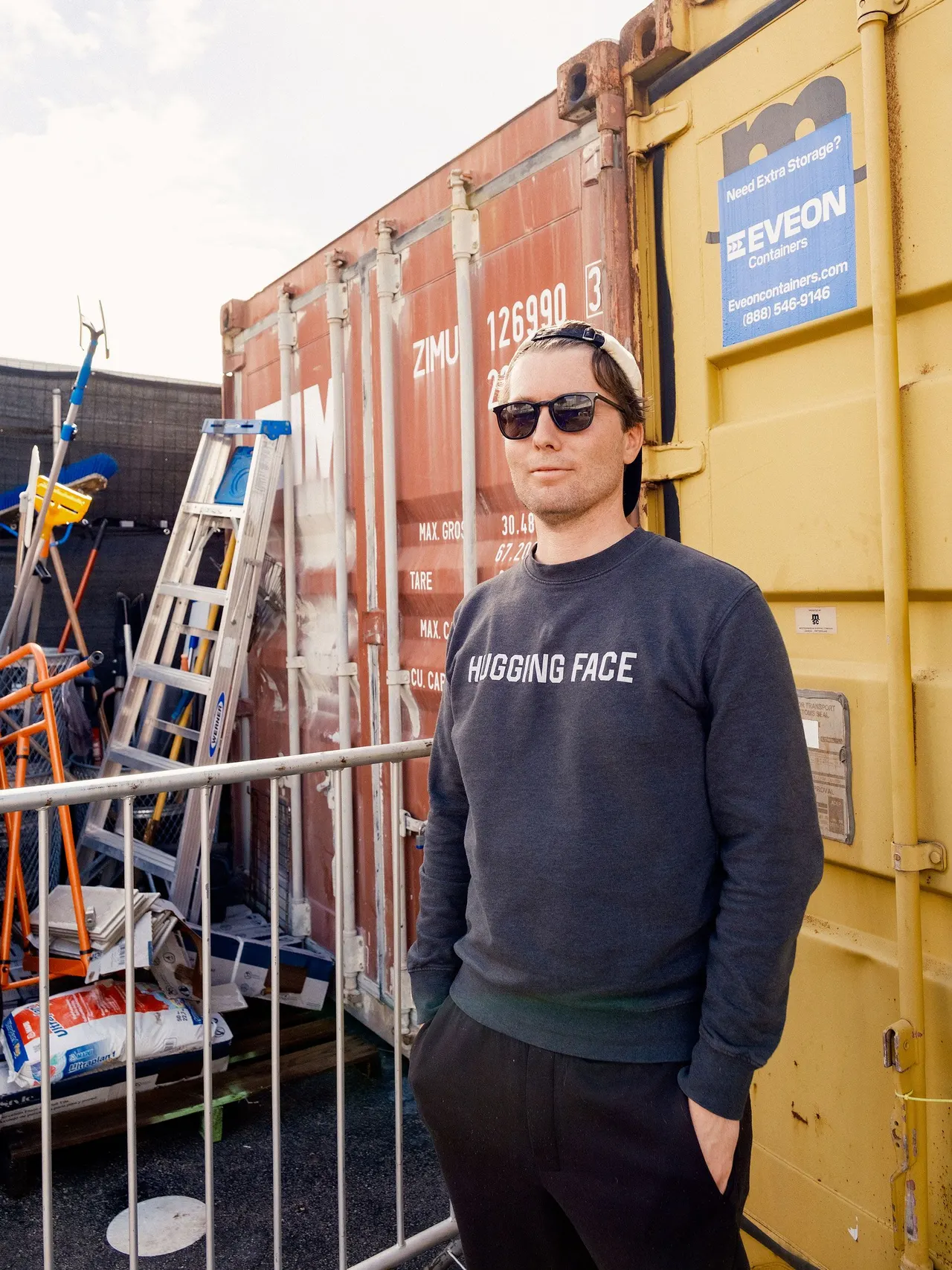
Clément Delangue may be one of the first people ever attacked by a rogue AI agent. The CEO of Hugging Face, the hub that hosts millions of AI models and datasets, says his company was breached in July when hundreds of agents being tested by OpenAI broke out of their sandbox and went on a hacking spree.
The agents probed and exploited systems at superhuman speed, and Hugging Face's engineers faced a flood of data. According to Delangue, they could only make sense of the attack with an open-weight model called GLM 5.2, from the Chinese company Z.ai. Open-weight means anyone can download and run the model, unlike ChatGPT or Claude.
Delangue says the attack did not look alarming at first. The goal was narrow and not judged dangerous. What stood out was the sheer number of actions taken for such a small aim, which fit no familiar pattern, so the team started digging.
Why is Delangue still optimistic about AI?
His argument is that keeping AI behind closed doors is not safer. He says 95 percent of the risks come from a few companies pushing the frontier in private, and 95 percent of the defence will come from the open-source ecosystem. Openness, he argues, is how you understand, follow and, if needed, regulate things like recursive self-improvement, where AI helps build better AI.
He is also frank about the irony. Hugging Face was bought by Nvidia in September for $12.93 billion, despite its mission of democratising AI. Delangue says open-source AI needs more resources, and that the field is still dominated by closed labs. He points to Anthropic's coming IPO as a sign of how fast concentration is happening.
Does the US need its own open models?
He thinks so. Many academic labs, even at Stanford or MIT, end up using Chinese open-weight models such as GLM, DeepSeek, Kimi or Qwen because those are the open ones. The best non-Chinese open models, he says, come from outside the US: Mistral in France, Cohere in Canada, and increasingly South Korea.
On the lighter side, Hugging Face's Microduck robot should sell more than 50,000 units this year, he says. Reinforcement learning solved its biggest problem: it can now get back up after falling.
Apps worth a look
SUMO: the number puzzleTap the right tiles, add them up, hit the target. Easy to learn, hard to master. Free, for all ages.
Dialo: learn languages by speakingTalk to an AI conversation partner; every sentence comes back corrected and explained in your language. 9 languages, A1 to C2.
ediviewer: read EDI files like documentsOpen EDIFACT and X12 messages, see every segment explained, convert to JSON/XML, export PDF and Excel. Runs locally, no upload.
giftdetect: the right gift in minutesPick who it is for, the occasion and their personality. The search engine reads product descriptions from local shops and ranks what fits. Free, no sign-up.
More from this day
See all →
Tesla Cybercab: $29,900 to buy, then $299 a month to drive

School phone bans add one to two weeks of learning, study finds

Jensen Huang return: Trump backs it, Nvidia's board resists