Huawei found guilty in US trial over stolen tech and fraud
A jury saw video of a Huawei employee stuffing a T-Mobile robot arm part into a backpack. It convicted the company on 10 of 12 counts after an eight-year case.
 SUMO· the number puzzle
 Dialo· learn languages by speaking
 ediviewer· read EDI files like documents
 giftdetect· the right gift in minutes
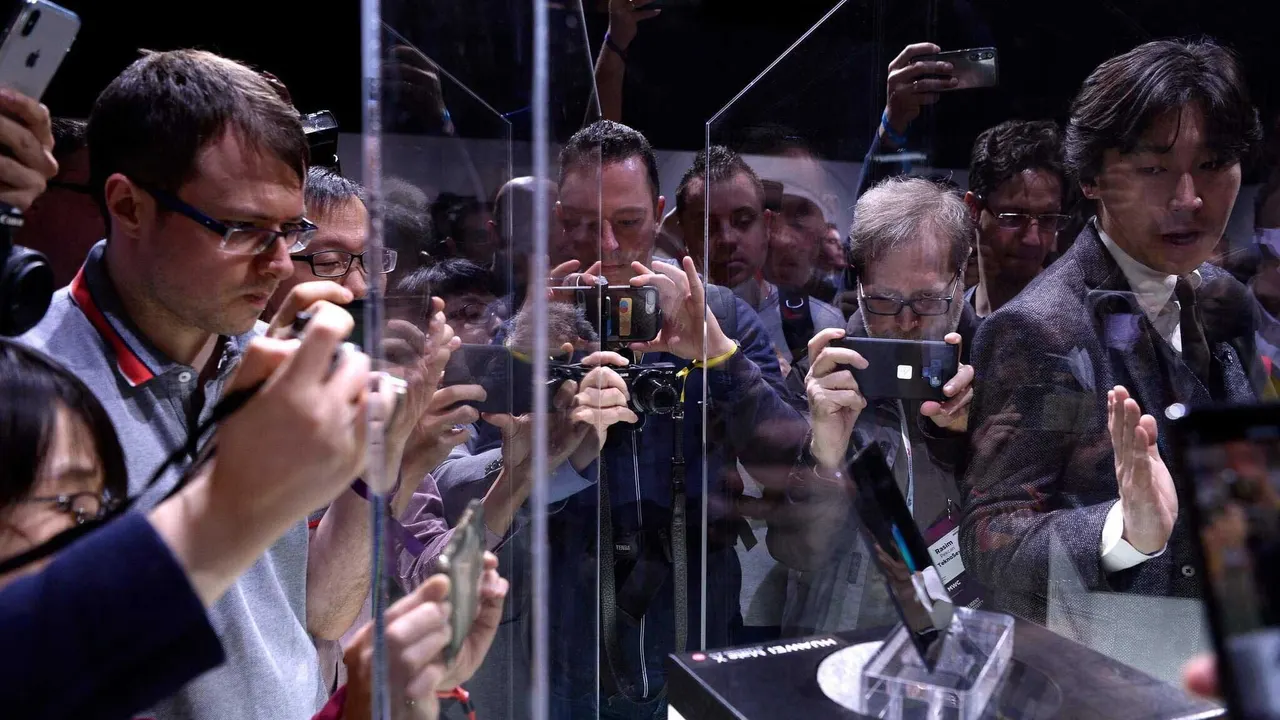
A US federal jury has found Huawei guilty on 10 of 12 counts, ending an eight-year criminal case. One piece of evidence stood out: video of a Huawei employee slipping a part of T-Mobile's Tappy robot arm into a backpack. The arm is used to test how tough smartphones are.
The convictions include conspiracy to steal trade secrets, wire fraud, bank fraud and violating US sanctions. Prosecutors said the Chinese company stole technology from American firms for years, and that employees described taking other companies' trade secrets on an unofficial Huawei internal forum. The defence said the employee in the video was fired.
Other episodes shown to jurors: a Huawei specialist who slipped behind a Fujitsu stand at a trade show and photographed network gear with its cover removed, plus the alleged theft of Cisco router source code and Quintel antenna manufacturing technology. Prosecutors also pointed to an attempt to hire someone to examine a circuit board from chipmaker CNEX. They called the crimes part of Huawei's business strategy.
What did the jury not find?
The central charge failed. Prosecutors could not prove that Huawei and its subsidiaries ran a criminal organisation for racketeering. Huawei's lawyer said the prosecution picked unrelated incidents to argue the company built a global business on theft, even though it has invested more than $100 billion in research over 20 years. Huawei plans to appeal.
How did the Huawei case start?
The first charges were filed under seal in New York on 22 August 2018, over business in Iran through a linked company, Skycom, and sanctions violations. On 1 December 2018, Canada arrested CFO Meng Wanzhou on a US warrant. Personal charges against her were later dropped. In 2019 the Justice Department made the indictment public and widened it in 2020.
The same year, Huawei was put on a US trade blacklist. Reuters reported, citing sources, that the administration pressed Google to stop supplying Google Play, Gmail, YouTube and Maps on new Huawei phones.
No penalty has been set yet. Sentencing is scheduled for 14 September 2027. Huawei employs more than 200,000 people in 170 countries.
Apps worth a look
SUMO: the number puzzleTap the right tiles, add them up, hit the target. Easy to learn, hard to master. Free, for all ages.
Dialo: learn languages by speakingTalk to an AI conversation partner; every sentence comes back corrected and explained in your language. 9 languages, A1 to C2.
ediviewer: read EDI files like documentsOpen EDIFACT and X12 messages, see every segment explained, convert to JSON/XML, export PDF and Excel. Runs locally, no upload.
giftdetect: the right gift in minutesPick who it is for, the occasion and their personality. The search engine reads product descriptions from local shops and ranks what fits. Free, no sign-up.
More from this day
See all →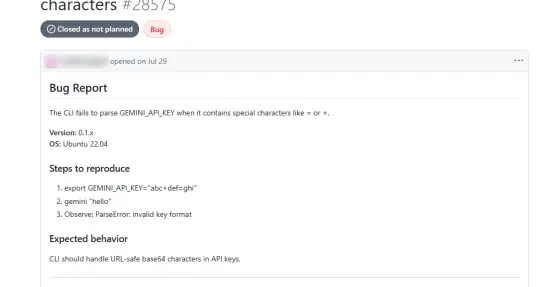
Hidden text on GitHub is aimed at AI coding agents, study finds
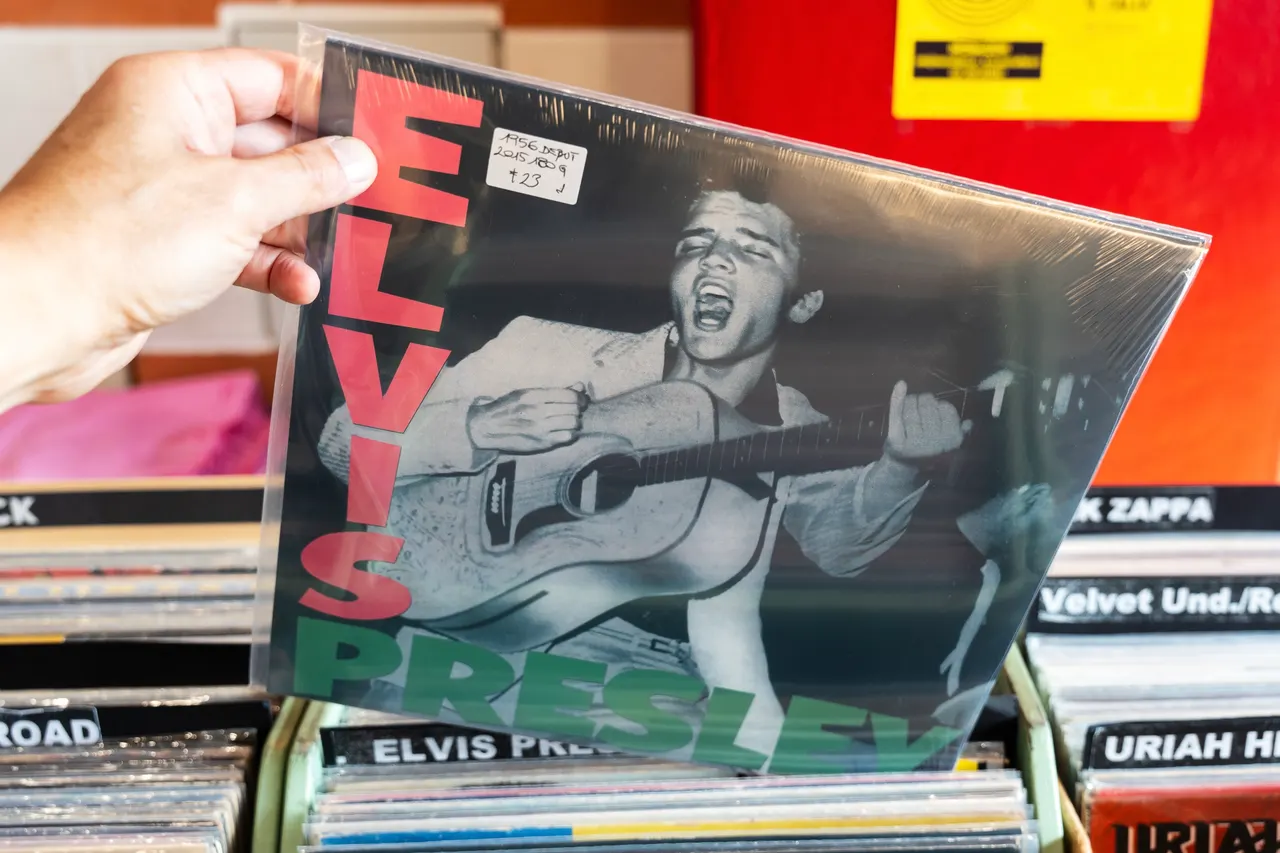
Suno lawsuit: Elvis and Eminem rights holders sue over 1,128 songs
1Password breach: customer names and emails exposed via GitHub

IRAS 06530-0213: astronomers see a dying star's last heartbeat
More in: Business
See all →
Amazon recall order: court says it must recall 400,000 products
Jensen Huang back at Nvidia, apologises and says he's in daily therapy
Jensen Huang's Nvidia return: Trump dialed into the board meeting