1Password breach: customer names and emails exposed via GitHub
Attackers got into an employee's GitHub account at 1Password's maker and pulled customer names and emails. Vaults and encryption keys were not touched, the company says.
 SUMO· the number puzzle
 Dialo· learn languages by speaking
 ediviewer· read EDI files like documents
 giftdetect· the right gift in minutes
The 1Password breach did not start with a clever attack on the vault. It started with one employee's GitHub account. AgileBits, the Canadian company behind the password manager, said on November 25 that an intruder used that account to reach customer account details, including names and email addresses.
The company says the data stored in vaults and the keys that encrypt them are unaffected, and the apps and services work as normal. It has not said how many customers were hit, how the attacker got into the GitHub account, or who the attacker is.
AgileBits noticed signs of the intrusion on November 19 and began investigating. According to the company, the attacker used the account to read source code, push malicious code to backend services and collect account management data. They also copied source code from private repositories and got into the CI/CD system, the automated setup that builds and ships software.
What data was exposed in the 1Password breach?
The list includes names, email addresses, account and user IDs, account creation and last sign-in times, public keys, SRP parameters, and tokens found in links inside invitation and account recovery emails. Public keys are not secret by design. SRP is a way to prove who you are without sending your password to the server, and the company says the leaked parameters cannot be used to get into an account.
The tokens are not enough on their own either. Finishing an invitation or recovery also requires single sign-on or a code sent to the registered email address. A small number of users who were mid-process during the attack were notified individually. The company also changed that code from six digits to ten letters and numbers, to make guessing harder.
Do 1Password users need to change their password?
No, according to the company. It does not store account passwords or Secret Keys, and vault data is encrypted with keys only the user holds. The apps, browser extensions and recovery keys were not affected.
The real risk is phishing. Expect fake emails, texts or calls about invitations or account recovery. 1Password says it never asks for your password or Secret Key, which is only needed when signing in on a new device or browser for the first time. Open the official app or type the address yourself instead of clicking a link, and report anything odd to support.
The company has disabled the GitHub account, revoked the stolen tokens, rotated internal credentials and added detection. It found no sign of accounts being taken over, and outside experts are reviewing its response.
Apps worth a look
SUMO: the number puzzleTap the right tiles, add them up, hit the target. Easy to learn, hard to master. Free, for all ages.
Dialo: learn languages by speakingTalk to an AI conversation partner; every sentence comes back corrected and explained in your language. 9 languages, A1 to C2.
ediviewer: read EDI files like documentsOpen EDIFACT and X12 messages, see every segment explained, convert to JSON/XML, export PDF and Excel. Runs locally, no upload.
giftdetect: the right gift in minutesPick who it is for, the occasion and their personality. The search engine reads product descriptions from local shops and ranks what fits. Free, no sign-up.
More from this day
See all →
Apple Intelligence ad case: Korea's FTC weighs fine over Siri

Riemann hypothesis proof found with Claude: 17 million lines of code
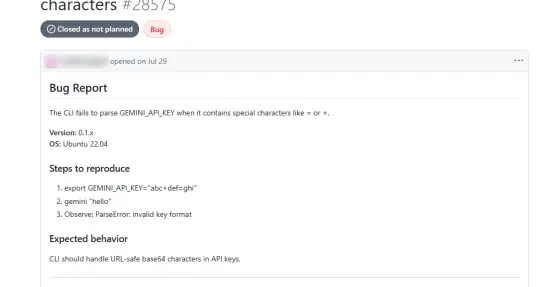
Hidden text on GitHub is aimed at AI coding agents, study finds