Home Solar Panels: Engineer Expects Washers to Follow the Sun
Engineer David Carracedo says home solar only pays off when it matches real consumption, and predicts smart homes will start appliances when solar power is available.
More than 36,000 Spanish homes installed solar panels in 2025, according to the Spanish Photovoltaic Union (UNEF). Yet rooftop solar does not always save as much as owners expect. "It depends," says David Carracedo, a civil engineer specialising in hydraulics and energy: on how much you consume, when you consume it and what kind of home you have.
Match the system to your habits
Panels save money when you use the electricity they produce. A second home visited only at weekends, for example, may make the investment hard to justify. Shadows from buildings or trees also cut output, and a detached house is usually easier to equip than a flat in a residents' community. Carracedo says the most common mistake is installing panels without first studying at what hours electricity is used. The best system, he argues, is not the biggest one but the one designed around a family's real schedule.
If he could make only one upgrade for the next two decades, he would improve insulation and the energy performance of the building envelope: "the cheapest and most sustainable energy is the energy we don't need to consume." Next would come efficient heating and cooling such as heat pumps, sized to the household. For water, he favours simple fixes like repairing leaks, efficient taps and dual-flush cisterns over sophisticated reuse systems.
Appliances that wait for the sun
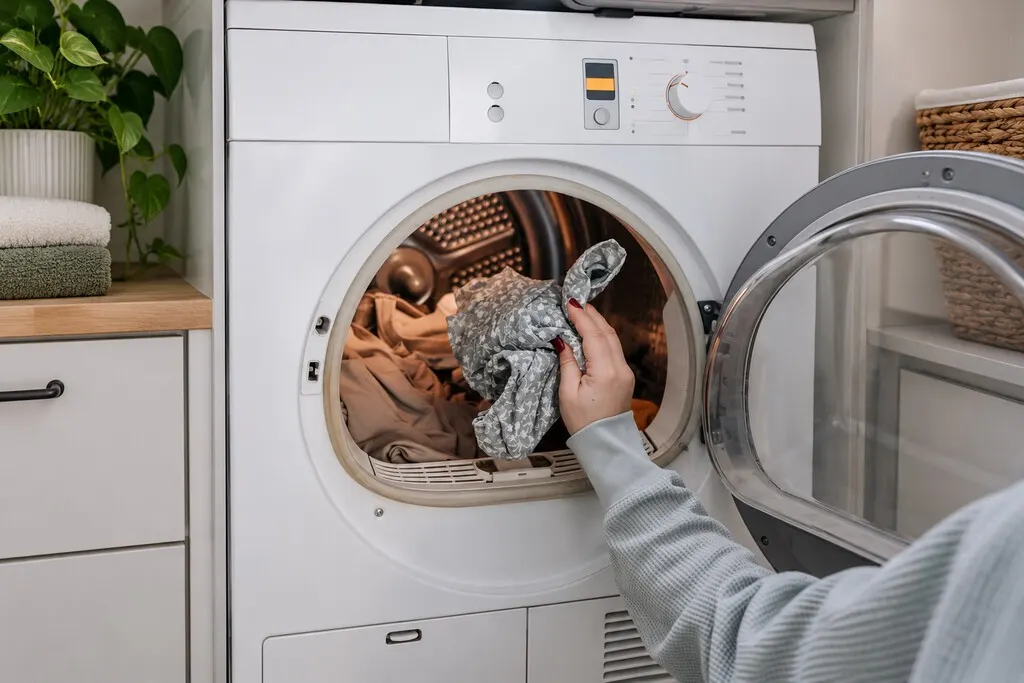
In 10 to 20 years, Carracedo expects people to know almost in real time how much electricity and water they use. Smart homes will start the water heater, washing machine, dishwasher or electric-car charging when solar energy is available, and shared self-consumption will let neighbours use power from the same roof.
Today, many washers and dishwashers offer a delayed start. The difference is that you choose the time and the machine does not know whether the sun is shining. Under the CNMC's 2.0TD tariff, weekday hours from 10:00 to 14:00 and 18:00 to 22:00 are the most expensive peak periods, while nights, weekends and national holidays are off-peak.
The technology is arriving. Matter 1.4, published in November 2024, adds device energy management so appliances can shift their start time based on forecasts, and extends support to solar inverters, batteries and heat pumps. That the standard allows it does not mean your washer supports it. Home Assistant's energy dashboard and Home Connect are other routes to the same goal.
Spanish residential self-consumption grew by 36,330 homes and 229 MW in 2025, 17% less than the 275 MW added in 2024. UNEF links part of the slowdown to the end of, or uncertainty over, incentives, and also to falling surplus prices on free-market tariffs.
More from this day
See all →
Fake Claude Code extension hit up to 5,000 Cursor users
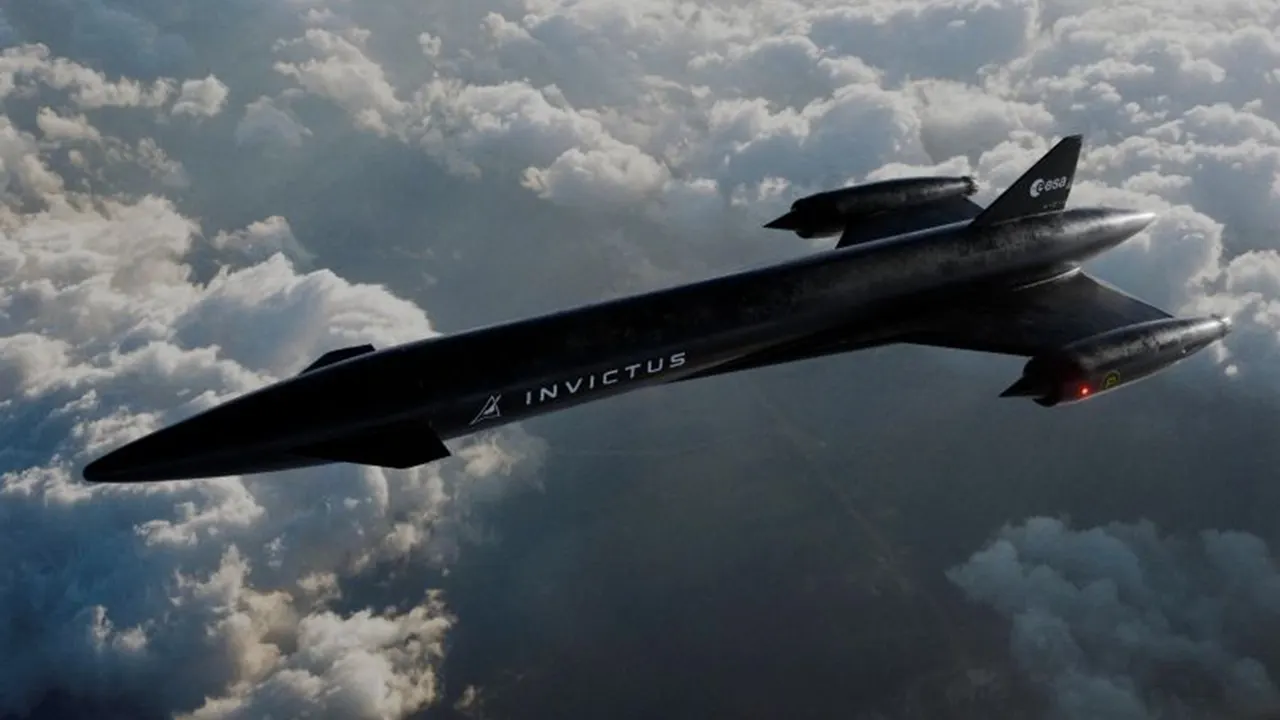
Invictus: Europe's Mach 5 Hypersonic Aircraft Clears Key Review

Meta loses appeal in Paris over press data under neighbouring rights

VCAT.AI's CREAGEN Lab Posts 343% Revenue Growth in AI Video
More in: Software
See all →
EUDI Wallet App d-you: Project Lead Defends Launch Without Pseudonyms
GitHub Adds 4 Million CPU Cores as AI Agents Strain Platform

MAX Adds Creator Tools for Channels as Count Tops 16.5 Million