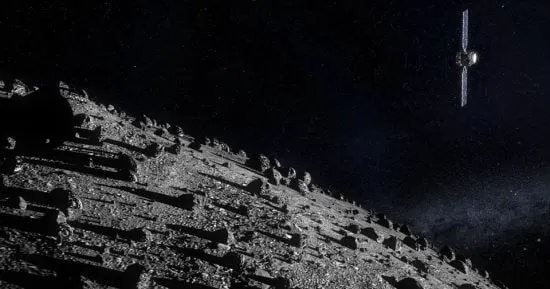
Hera mission photos show DART's stadium-sized crater on Dimorphos
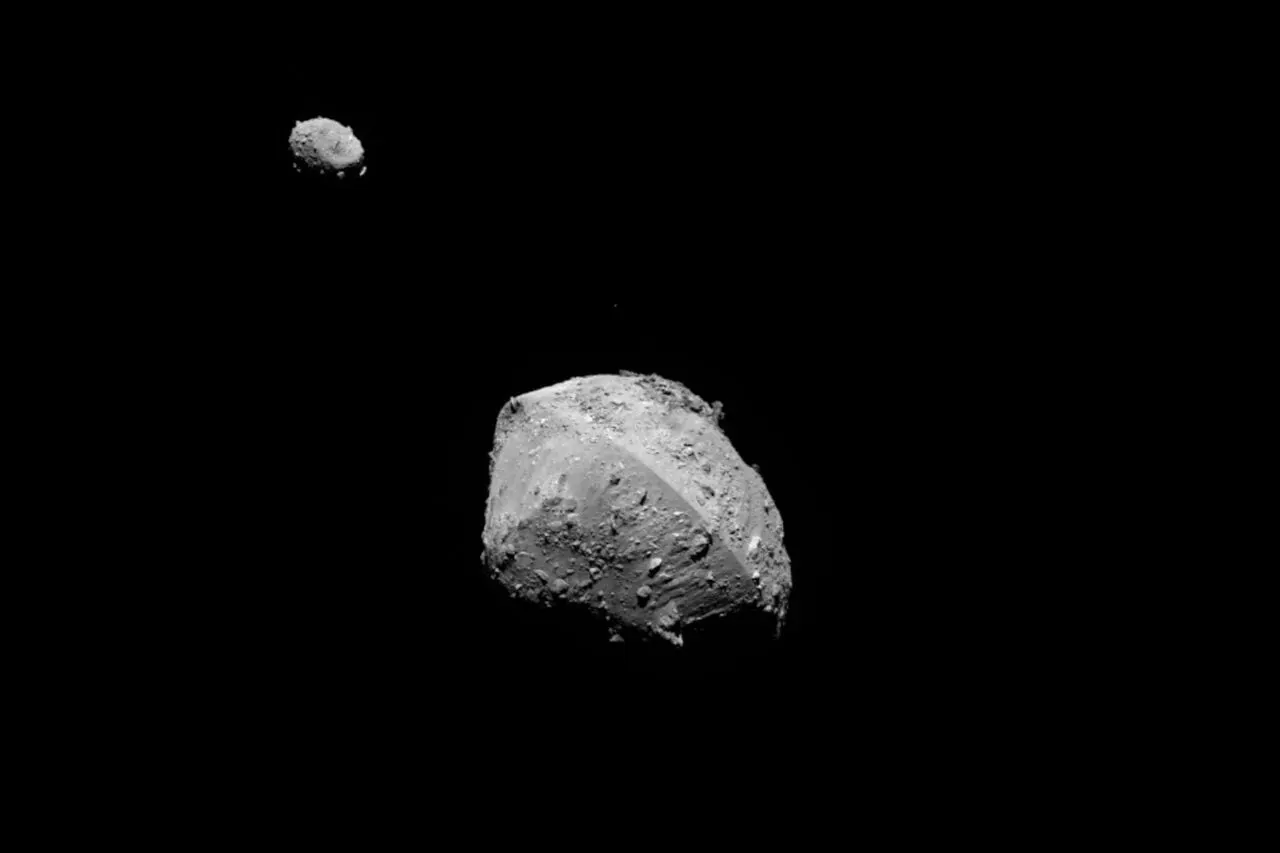
The first Hera images of Dimorphos show a flattened side, a crater the size of a stadium and hundreds of loose boulders, four years after NASA's DART crash.
 SUMO· the number puzzle
 Dialo· learn languages by speaking
 ediviewer· read EDI files like documents
 giftdetect· the right gift in minutes
Four years after NASA flew a spacecraft into an asteroid on purpose, we finally have a close look at the damage. The European Space Agency's Hera mission has sent its first images of Dimorphos, and the rock looks properly beaten up.
DART hit Dimorphos on September 26, 2022, at nearly 15,000 miles per hour (24,000 km/h). It was a test of planetary defence: could a crash change an asteroid's path? It could. The impact shortened Dimorphos's orbit around its bigger companion, Didymos, by 33 minutes. Telescopes on the ground measured that. What they could not see was what happened to the little asteroid itself.
Hera can. The side DART struck has been flattened into a crater about the size of a sports stadium, almost as wide as the asteroid. Dimorphos is also tumbling chaotically in its orbit. Didymos shows no visible change. The images also reveal hundreds of boulders circling the pair, some of them previously unknown and apparently shaken loose by the impact.
"Scientists debated whether Dimorphos had sustained an impact crater, changed its shape or stayed the same," said Hera principal investigator Patrick Michel. "Much to our surprise the answer turns out to be all three at once!"
What is the Hera mission?
Hera is a car-sized ESA spacecraft that launched on October 7, 2024, and arrived at the asteroid pair three weeks ago. It now sits about 19 miles (30 km) away. Dimorphos is 558 feet (170 m) wide, and Didymos is 2,625 feet (800 m) wide.
What happens next?
Hera will study both asteroids over the next six months and move closer. The boulders are a navigation headache, and mission scientist Michael Kueppers says the team will have to account for them. In early 2027, Hera will release two shoebox-sized satellites. Milani will identify materials on and around Dimorphos, and Juventas will use radar to look inside it.
Mission manager Ian Carnelli put it this way: DART showed we can change an asteroid's orbit, and Hera is showing what happened to the asteroid itself.
Apps worth a look
SUMO: the number puzzleTap the right tiles, add them up, hit the target. Easy to learn, hard to master. Free, for all ages.
Dialo: learn languages by speakingTalk to an AI conversation partner; every sentence comes back corrected and explained in your language. 9 languages, A1 to C2.
ediviewer: read EDI files like documentsOpen EDIFACT and X12 messages, see every segment explained, convert to JSON/XML, export PDF and Excel. Runs locally, no upload.
giftdetect: the right gift in minutesPick who it is for, the occasion and their personality. The search engine reads product descriptions from local shops and ranks what fits. Free, no sign-up.
More from this day
See all →
Rockstar union vote fails: GTA VI staff reject IWGB deal

Kodak SlideTag: A Find My Tracker With a Photo Screen

Flight Centre data breach: customer records accessed via booking system