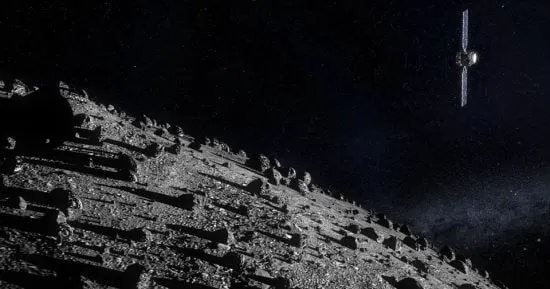
Dimorphos up close: Hera shows the crater NASA's DART left behind
The first close-up images of asteroid Dimorphos show a crater roughly the size of a stadium, left by NASA's DART probe, and a moonlet that now spins unevenly.
 SUMO· the number puzzle
 Dialo· learn languages by speaking
 ediviewer· read EDI files like documents
 giftdetect· the right gift in minutes
Four years after NASA slammed a spacecraft into an asteroid on purpose, we finally have a proper look at the damage. The European Space Agency has released the first close-up images of Dimorphos, and the scar is hard to miss: a crater about the size of a stadium.
The pictures come from Hera, a European probe that reached the Didymos-Dimorphos double asteroid system after a trip of around two years. Dimorphos is the smaller of the pair and orbits the larger Didymos. In September 2022, NASA's DART spacecraft hit it at about 22,530 kilometres per hour. The test worked: it shortened Dimorphos's orbit around Didymos by more than 30 minutes, proving that a direct impact can nudge an asteroid off its path.
What do the new Dimorphos images show?
The crater covers a large area on the side that took the hit, while the opposite side shows no major changes. The asteroid's shape and motion have changed too. Dimorphos now appears to rotate in an irregular way, and hundreds of boulders are scattered around both asteroids.
That matters because knowing the orbit changed is only half the answer. Hera is there to work out what the impact actually did. It is trying to determine the asteroid's mass and internal properties, and what it is made of, so scientists can understand why it reacted the way it did.
What happens next for Hera?
For now the probe watches the pair from 25 to 30 kilometres away. It is expected to move closer next month. In January it plans to release two small satellites to study the asteroids from nearby, including their internal structure.
Neither Didymos nor Dimorphos is a threat to Earth. The point is practice: the results help scientists refine planetary defence methods, so that if a dangerous asteroid is ever found, the first real attempt to move one is not also the first thing anyone has learned about how it goes.
Apps worth a look
SUMO: the number puzzleTap the right tiles, add them up, hit the target. Easy to learn, hard to master. Free, for all ages.
Dialo: learn languages by speakingTalk to an AI conversation partner; every sentence comes back corrected and explained in your language. 9 languages, A1 to C2.
ediviewer: read EDI files like documentsOpen EDIFACT and X12 messages, see every segment explained, convert to JSON/XML, export PDF and Excel. Runs locally, no upload.
giftdetect: the right gift in minutesPick who it is for, the occasion and their personality. The search engine reads product descriptions from local shops and ranks what fits. Free, no sign-up.
More from this day
See all →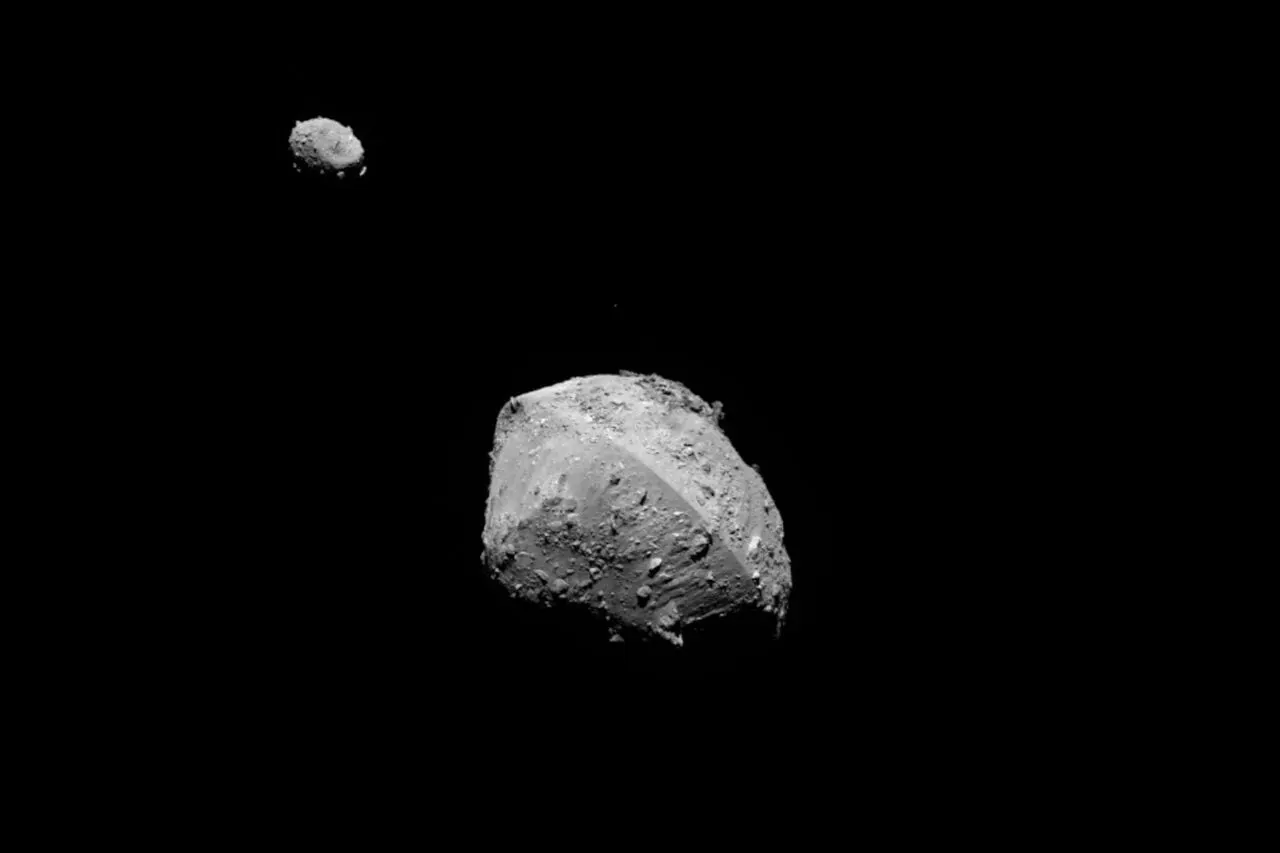
Hera mission photos show DART's stadium-sized crater on Dimorphos

Flight Centre data breach: customer records accessed via booking system

Activision patent would train game bots on your voice chat banter