SpaceX Starmind: FCC OKs a million satellites for space data centers
The FCC has approved up to one million SpaceX Starmind satellites to run AI data centers in orbit. Scientists call the decision catastrophic for the night sky.
 SUMO· the number puzzle
 Dialo· learn languages by speaking
 ediviewer· read EDI files like documents
 giftdetect· the right gift in minutes
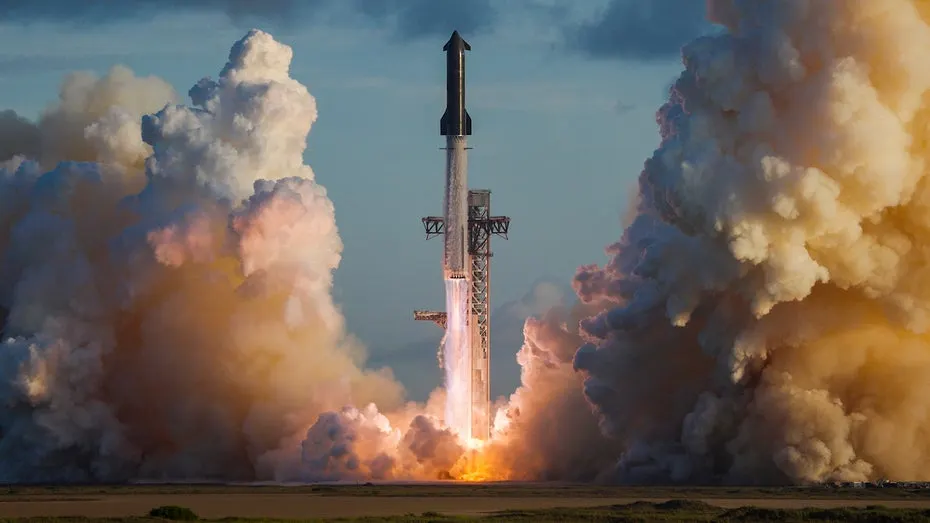
SpaceX can now put up to one million satellites into Earth orbit. The US regulator FCC has approved "Starmind", Elon Musk's plan for AI data centers in space, according to a statement issued on Wednesday.
FCC chief Brendan Carr said that by moving computing capacity beyond the Earth's surface, SpaceX and the many rivals working on their own orbital data centers are meeting the demands of the time. Supporters of the idea point to plentiful solar power up there and the options for cooling. The concept was also central to Musk's pitch during SpaceX's stock market flotation.
What is Starmind, and what stands in its way?
Starmind is meant to be a huge fleet of satellites acting as data centers for AI applications. The hurdles are technical. Such facilities need very large solar panels, sophisticated cooling and systems that can send enormous amounts of data down to Earth.
Why are researchers alarmed?
Scientists see other problems. They fear more space debris and a much poorer view of the stars. Michael Brown, associate professor at the School of Physics and Astronomy, called the decision "catastrophic" in comments to the Science Media Center. With a five-year satellite lifespan, he says, more than 500 satellites would have to launch every day.
They would also have to come back down. The FCC has put off its decision on how the satellites are disposed of after their mission. Brown warns that 500 satellites re-entering daily would add heavily to pollution of the upper atmosphere and damage the ozone layer.
He also notes that Starmind would raise the number of active satellites by more than 50 times. That increases the risk of collisions and of the Kessler syndrome, a cascade of crashes that would make low Earth orbit unusable. The evening sky would fill with satellites. Researchers in Australia and New Zealand voiced similar worries.
The warnings are not new. Astronomers complained about light pollution from satellites in 2023, and in 2024 others feared Starlink could blind radio telescopes. The clock is now set: under the FCC's terms, SpaceX must launch 10 percent of the maximum approved satellites by November 2035 and 50 percent by November 2038.
Apps worth a look
SUMO: the number puzzleTap the right tiles, add them up, hit the target. Easy to learn, hard to master. Free, for all ages.
Dialo: learn languages by speakingTalk to an AI conversation partner; every sentence comes back corrected and explained in your language. 9 languages, A1 to C2.
ediviewer: read EDI files like documentsOpen EDIFACT and X12 messages, see every segment explained, convert to JSON/XML, export PDF and Excel. Runs locally, no upload.
giftdetect: the right gift in minutesPick who it is for, the occasion and their personality. The search engine reads product descriptions from local shops and ranks what fits. Free, no sign-up.
More from this day
See all →
Inkling 2 Mini: the local AI model that isn't Chinese

Microsoft 365 companion apps are dead in Windows 11 after a year

Sparkasse Google Pay support is coming, and the app already hints at it

Honor OneHop now sends original photos from iPhone and Xiaomi
More in: Space
See all →
SpaceX Starmind: FCC Approves 1 Million Data Center Satellites

Musk to give every US child 2 SpaceX shares, worth about $18B
Ariane 6 launch fire in Kourou burned five hectares of savanna