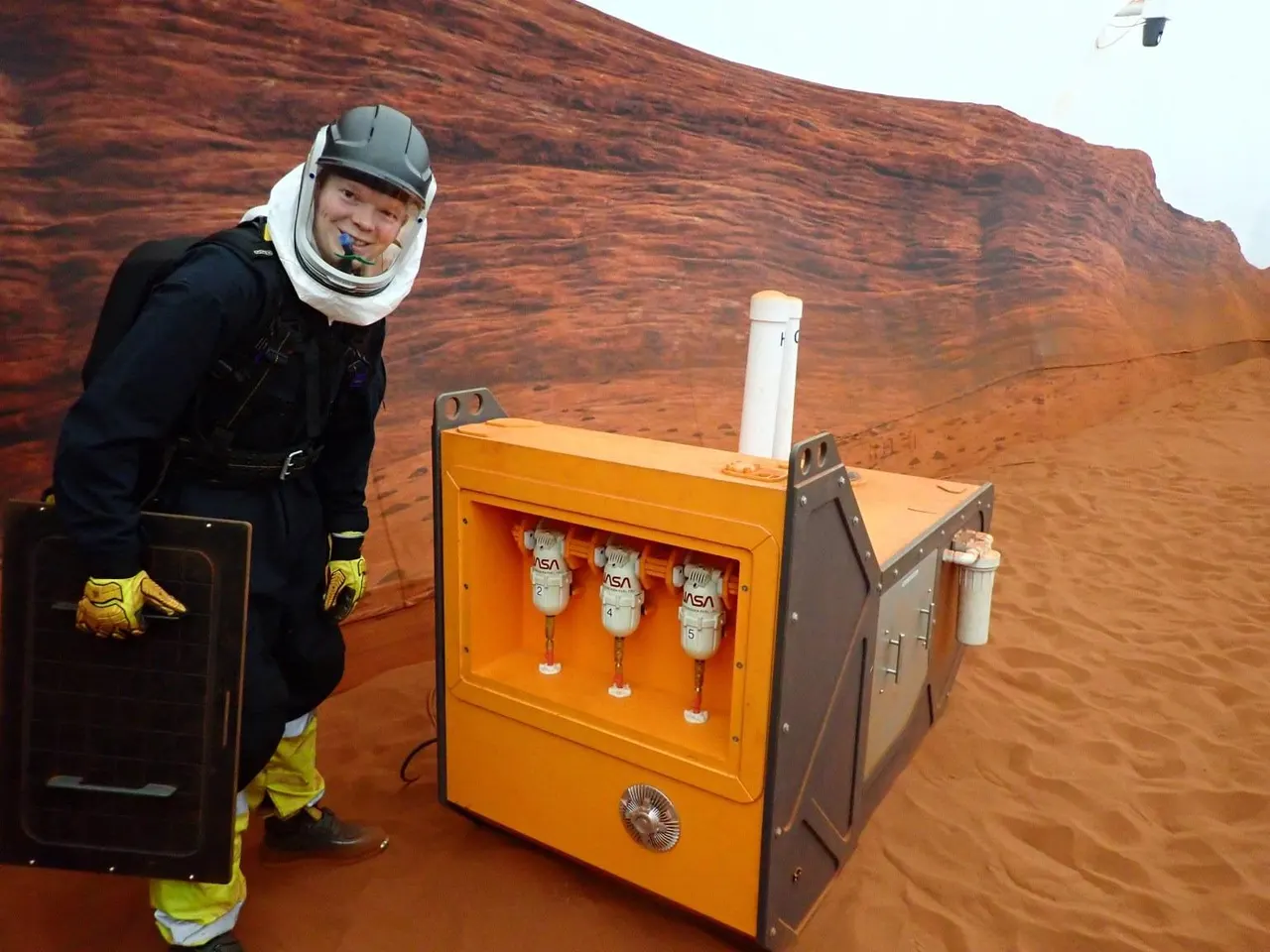
Hayabusa2 drops its 2031 asteroid landing after ion engine failures
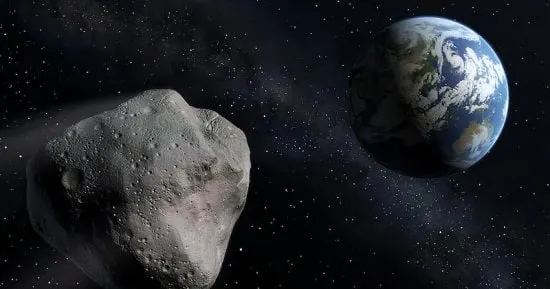
Japan's Hayabusa2 probe has run out of working ion engines, so JAXA cancelled the 2031 landing and picked a fast, tiny, spinning asteroid for a 2028 flyby.
 SUMO· the number puzzle
 Dialo· learn languages by speaking
 ediviewer· read EDI files like documents
 giftdetect· the right gift in minutes
Hayabusa2, the Japanese probe that brought back rock from asteroid Ryugu, will no longer land on a second asteroid. JAXA, Japan's space agency, has scrapped the plan to reach 1998 KY26 in 2031 and is sending the spacecraft to a different target for a flyby instead.
The reason is the probe's four ion engines, which it uses to steer and change course. The last working one failed in mid-August after repeated electrical discharges. Engineers tried to bring it back, but the repairs did not restore enough thrust. Sensors also show unexpected wear on some parts after more than 11 years in space.
Yuya Mimasu, who leads the extended mission team, said the ageing hardware had become more obvious, so the team chose a backup plan that can be carried out safely with what the spacecraft has left.
Why the 1998 KY26 landing was cancelled
The old plan needed an Earth gravity assist in December 2027 and then a speed change of about 200 metres per second. Japanese estimates say the remaining propulsion may only manage tens of metres per second. The target, 1998 KY26, is only about 11 metres across.
What is Hayabusa2's new target, 2015 BM510?
Hayabusa2 will fly past asteroid 2015 BM510 in April 2028, with no attempt to touch down. The asteroid is between 17 and 74 metres wide and spins once in about 49 minutes. It is a D-type, a class believed to be rich in organic material and similar to comets in some ways, possibly formed in the outer Solar System.
The team expects it to be one of the hardest flybys of its kind, because the object is so small and spins so fast. The data could help future navigation and guidance technology, and planetary defence research too. The new target also shares some physical traits with the original one.
Background
Hayabusa2 launched on 3 December 2014 and reached Ryugu in 2018. Its capsule returned samples to Earth in December 2020. The probe then continued on an extended mission and flew past asteroid Torifune in July 2026.
Apps worth a look
SUMO: the number puzzleTap the right tiles, add them up, hit the target. Easy to learn, hard to master. Free, for all ages.
Dialo: learn languages by speakingTalk to an AI conversation partner; every sentence comes back corrected and explained in your language. 9 languages, A1 to C2.
ediviewer: read EDI files like documentsOpen EDIFACT and X12 messages, see every segment explained, convert to JSON/XML, export PDF and Excel. Runs locally, no upload.
giftdetect: the right gift in minutesPick who it is for, the occasion and their personality. The search engine reads product descriptions from local shops and ranks what fits. Free, no sign-up.
More from this day
See all →
MoldyRoost ad campaign can hack iPhones with one tap, Confiant says

VMware vCenter bug CVE-2026-123890 was exploited in September

South Korea's Suneung exam alert caught 49 students with phones
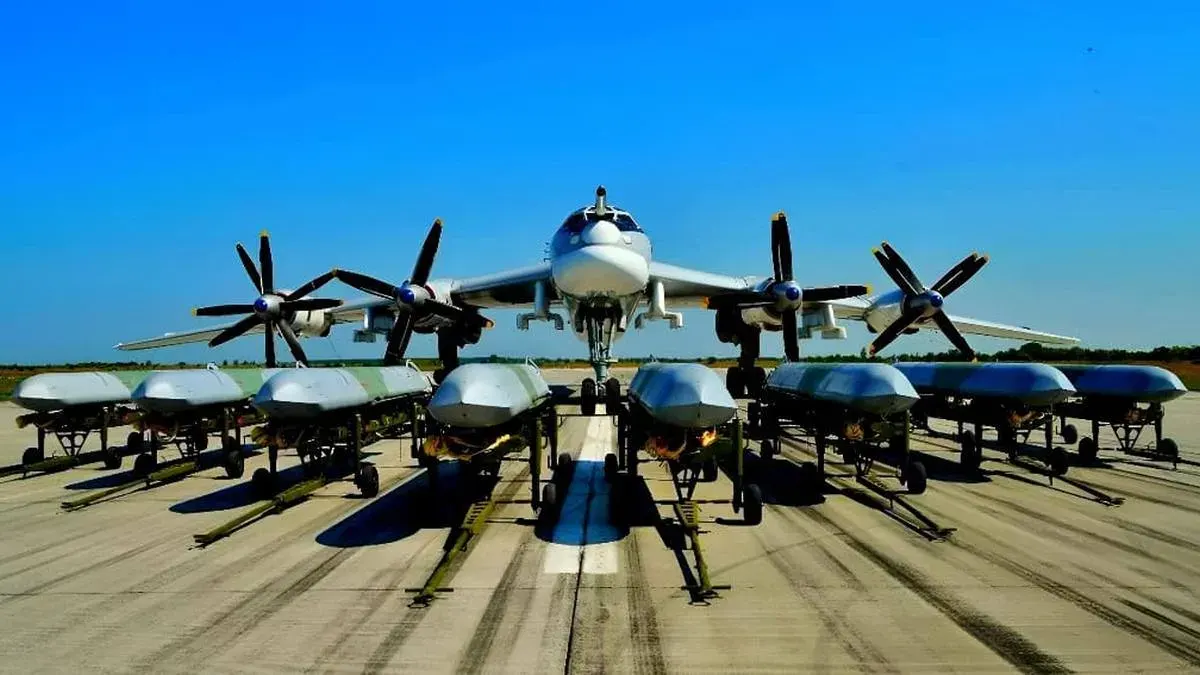
Kh-101 missiles found at three crash sites in Poland, prosecutors say
More in: Space
See all →BepiColombo reaches Mercury orbit after 8 years and a solar panel snag
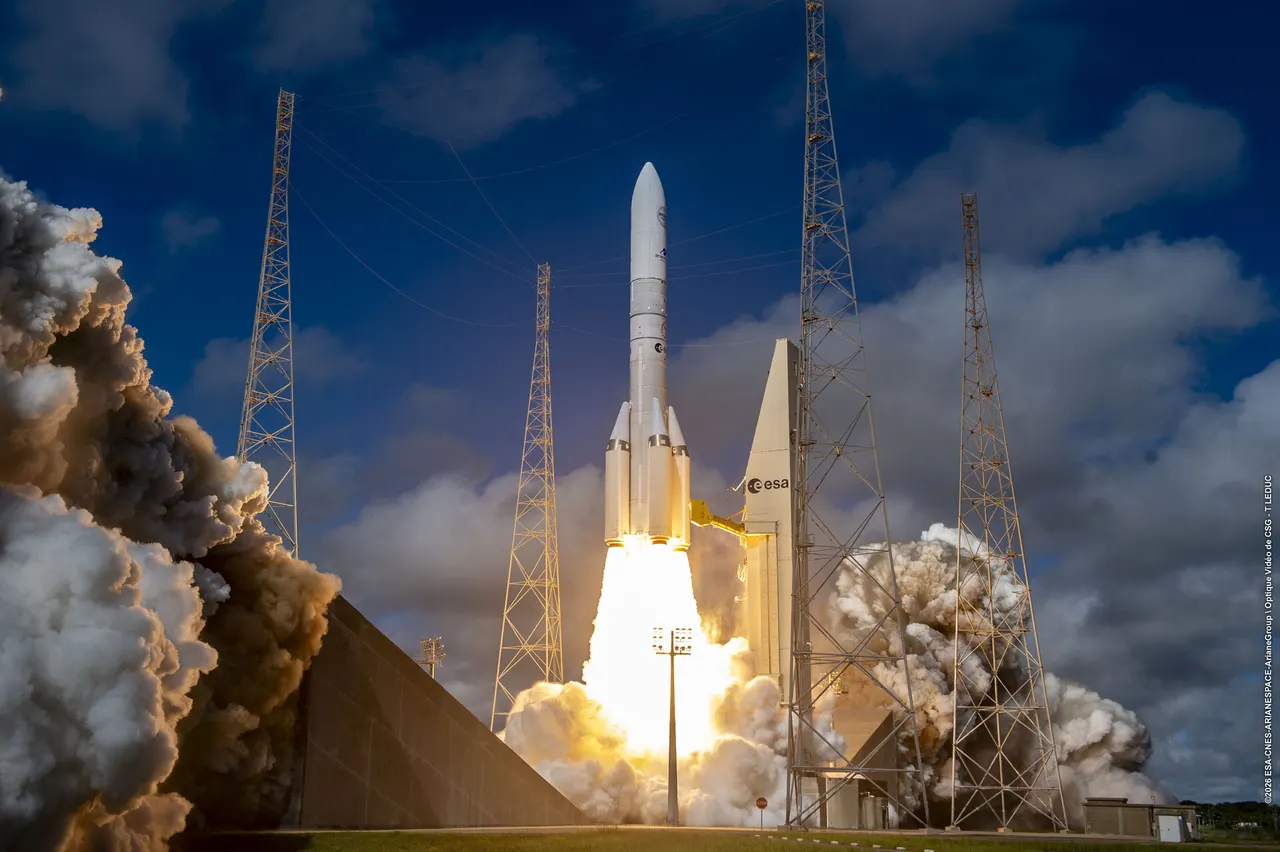
Ariane 6 launch live: 36 Amazon Leo satellites on one rocket
Perseverance and Odyssey both fail on Mars within a week