Google Adds TPU 8tx and 8i Max, Betting on Specialized AI Chips
Google is expanding its in-house TPU family with two specialized variants, one for confidential computing and one for memory-hungry workloads, as it challenges Nvidia.
 SUMO· the number puzzle
 Dialo· learn languages by speaking
 ediviewer· read EDI files like documents
 giftdetect· the right gift in minutes
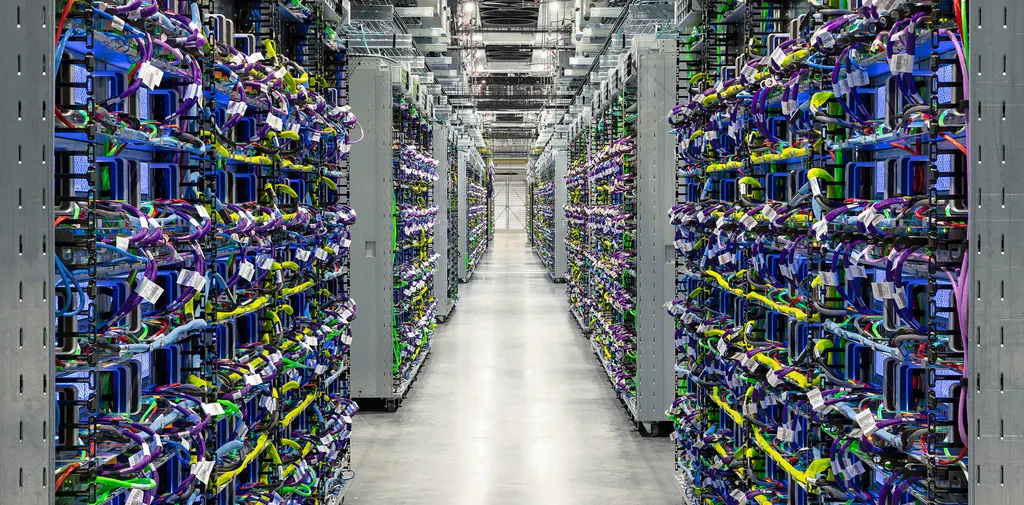
Google has added two new variants to its in-house TPU family: the TPU 8tx, built for computing on sensitive data, and the TPU 8i Max, aimed at memory-intensive workloads. That makes four configurations of its eighth-generation TPUs in a single year, as the company pushes to take a bigger share of an AI hardware market long dominated by Nvidia.
They join the TPU 8t, designed for training, and the TPU 8i, designed for inference, both unveiled at Google Cloud Next in April. Google says the 8t delivers up to 2.7 times the training performance, and the 8i up to 80% better inference price-performance, compared with the previous generation. Prices and exact launch dates have not been disclosed, but chip chief Amin Vahdat has said the new variants will arrive next year.
Security and memory
The TPU 8tx targets governments and regulated industries that want to run AI models and agents on confidential data. Data is usually encrypted in storage and in transit, but must be unlocked in memory while being processed. Google says the 8tx builds protection into the hardware, keeping data and model weights isolated even during use. It uses the same silicon as the 8t, is paired with fifth-generation AMD EPYC processors, and offers up to twice lower latency than the 8t with almost no performance penalty, according to the company.
The TPU 8i Max tackles what Google calls the "memory wall": when many AI agents work across a whole codebase or hours of video, memory bandwidth becomes the bottleneck. Google places two TPU 8i chips in one package, which it says doubles compute, on-chip SRAM and memory bandwidth versus the standard 8i, and fits twice the silicon in the same rack space. Vahdat pointed to long-context uses such as drug discovery, complex math and coding.
Reconfigured, not brand new
Vahdat said both variants are reconfigurations of existing silicon, adapted to customer requests. A new chip takes years to design and build, while the system around it, including networking, memory and packaging, can be adjusted in months. His thesis is that "the future is going to revolve around specialization".
The market is growing quickly. Bloomberg Intelligence expects TPU sales, including related hardware and software, to top $135 billion by 2028, up from an estimated $12 billion this year. Customers include Apple, Meta and Oracle, and Anthropic has the option to buy up to $150 billion in TPUs between 2028 and 2031, according to a regulatory filing. OpenAI is also reported to plan purchases.
Obstacles remain. Google has said all its available TPUs are already committed to customers, memory and manufacturing capacity are tight, and the company is reportedly widening its supplier base beyond Broadcom, including a deal with Marvell. Rivals are emerging too, among them startup Tenspresso, founded by two former TPU engineers, though its chip is at least a year from a finished design.
Apps worth a look
SUMO: the number puzzleTap the right tiles, add them up, hit the target. Easy to learn, hard to master. Free, for all ages.
Dialo: learn languages by speakingTalk to an AI conversation partner; every sentence comes back corrected and explained in your language. 9 languages, A1 to C2.
ediviewer: read EDI files like documentsOpen EDIFACT and X12 messages, see every segment explained, convert to JSON/XML, export PDF and Excel. Runs locally, no upload.
giftdetect: the right gift in minutesPick who it is for, the occasion and their personality. The search engine reads product descriptions from local shops and ranks what fits. Free, no sign-up.
More from this day
See all →
Google Wallet Adds Digital Home Keys for NFC and UWB Smart Locks
TSMC plans up to $1 billion investment in Anthropic and OpenAI

Acecore, Supplya and Navidyn Take Top Spots at TC Battlefield

Airwallex to invest more than $1.6 billion in Singapore over five years
More in: Hardware
See all →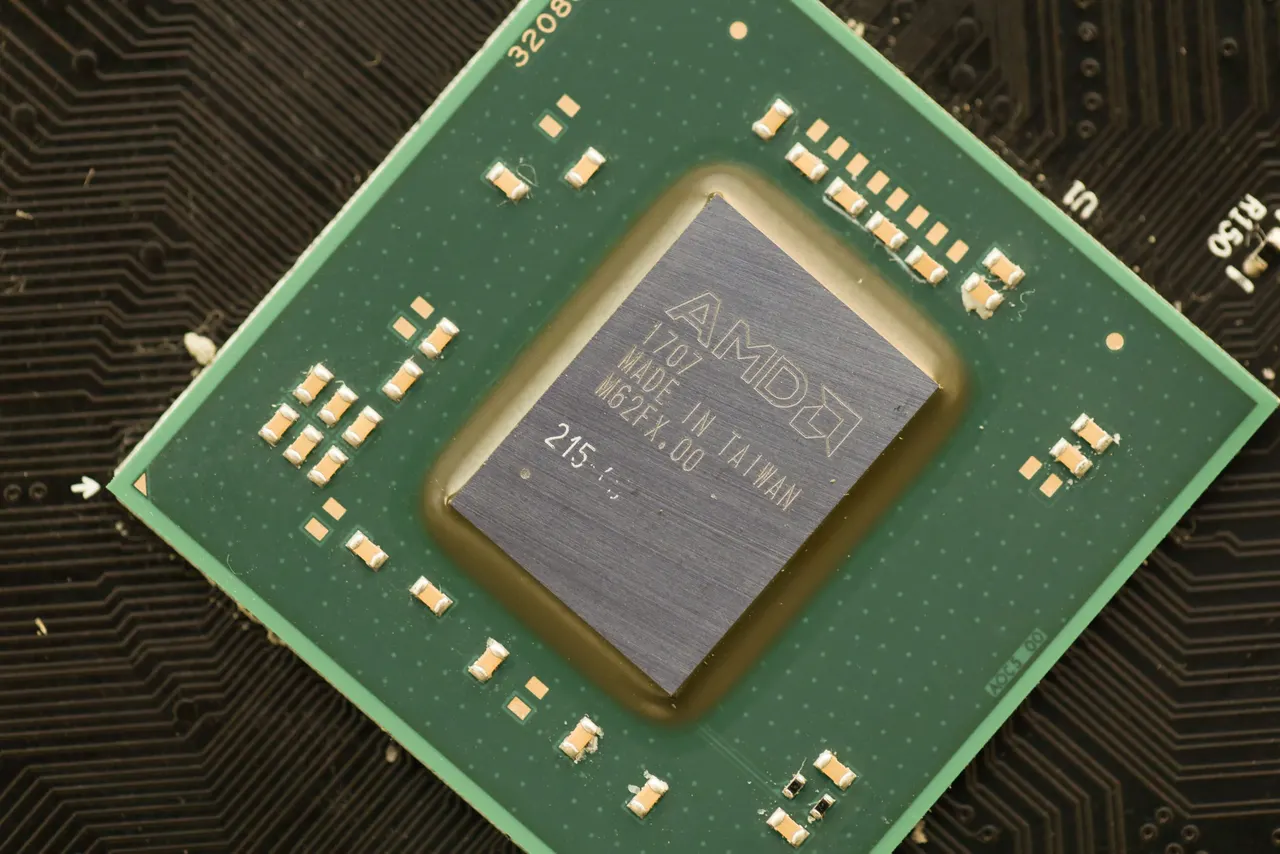
AMD expands EPYC server chip lineup for AI infrastructure
Fritzbox 5690 Pro Gets FritzOS 8.51 With DNS Ad Blocker

Humanoid Robot Kestrel Quits Antarctic Ice Ultra After 3 km