Google Play developer home addresses will be public from March 2027
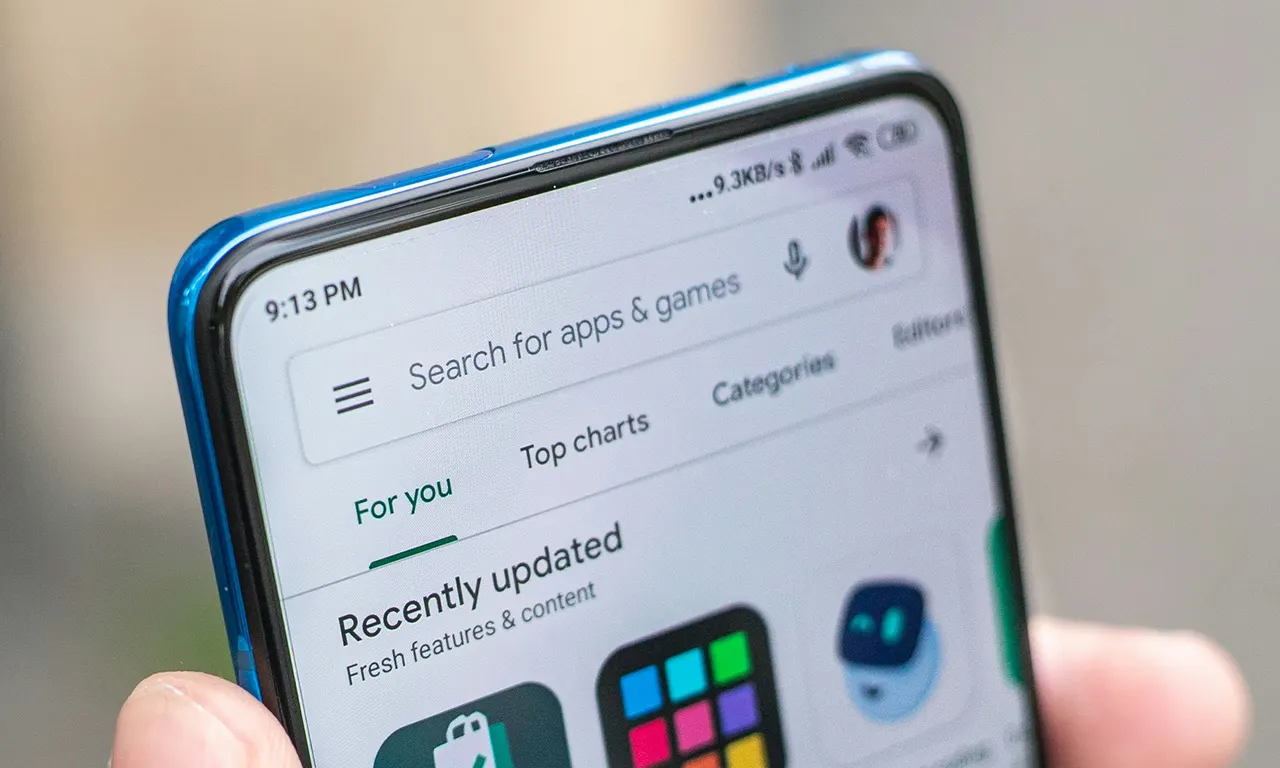
From March 1, 2027, Google plans to show the address and phone number of Play Store developers classed as traders, worldwide, even if they work from their bedroom.
 SUMO· the number puzzle
 Dialo· learn languages by speaking
 ediviewer· read EDI files like documents
 giftdetect· the right gift in minutes
If you build Android apps from your spare room, your home address could soon be on the Play Store for anyone to read. That is the worry among indie developers after Google's latest Play Console policy update.
Google will publicly display the address and phone number of developers who count as commercial traders under European and British rules. The change takes effect on March 1, 2027, and the details will be visible worldwide, not just in Europe and the UK. Developers have to declare whether they are traders or non-traders by February 1, 2027. Miss that date and Google warns that app updates could be blocked or the app removed from the Play Store.
Who counts as a trader on Google Play?
The label generally covers commercial activity: selling apps, offering in-app purchases or earning regular advertising revenue. Hobbyists who publish entirely non-commercial apps are unlikely to qualify. Developers who don't distribute apps in Europe or the UK can declare themselves non-traders.
Traders must give a physical address and phone number for individual developer accounts, and Google plans to publish both. Google's payment-profile rules don't allow P.O. boxes. So developers working from home either expose their residential address or pay for a separate business address. Some independent developers are already considering renting office space just to keep their home details private.
Why is Google doing this, and what does Apple do?
The rule comes from the EU's Digital Services Act and related consumer protection requirements, which are meant to help customers identify and contact businesses selling online. Those rules don't require Google to show contact details worldwide.
Apple faces similar requirements but shows the information only to users in the European Union. It also lets individual developers use P.O. boxes if they can submit documents linking the address to them.
The trader declaration is separate from Google's Android developer verification programme, which aims to make it harder for malicious developers to stay anonymous. It lands in the same period, though, as Google makes sideloading (installing apps from outside the Play Store) harder.
Apps worth a look
SUMO: the number puzzleTap the right tiles, add them up, hit the target. Easy to learn, hard to master. Free, for all ages.
Dialo: learn languages by speakingTalk to an AI conversation partner; every sentence comes back corrected and explained in your language. 9 languages, A1 to C2.
ediviewer: read EDI files like documentsOpen EDIFACT and X12 messages, see every segment explained, convert to JSON/XML, export PDF and Excel. Runs locally, no upload.
giftdetect: the right gift in minutesPick who it is for, the occasion and their personality. The search engine reads product descriptions from local shops and ranks what fits. Free, no sign-up.
More from this day
See all →
FCC approves SpaceX Starmind: up to 1 million AI satellites by 2040

GTA 6 launch weekend emptied Polish restaurants, Revolut data shows
NVIDIA GeForce 621.40 driver: black screen after SSD fix

GTA 6 on PC: Someone Ran It on a Radeon RX 580 at 1 FPS
More in: Mobile
See all →
i-Kfz app: digital driver's licence arrives later than planned
Apple Intelligence ads: South Korea moves toward a fine for Apple
WhatsApp travel eSIM: buy mobile data without leaving the app