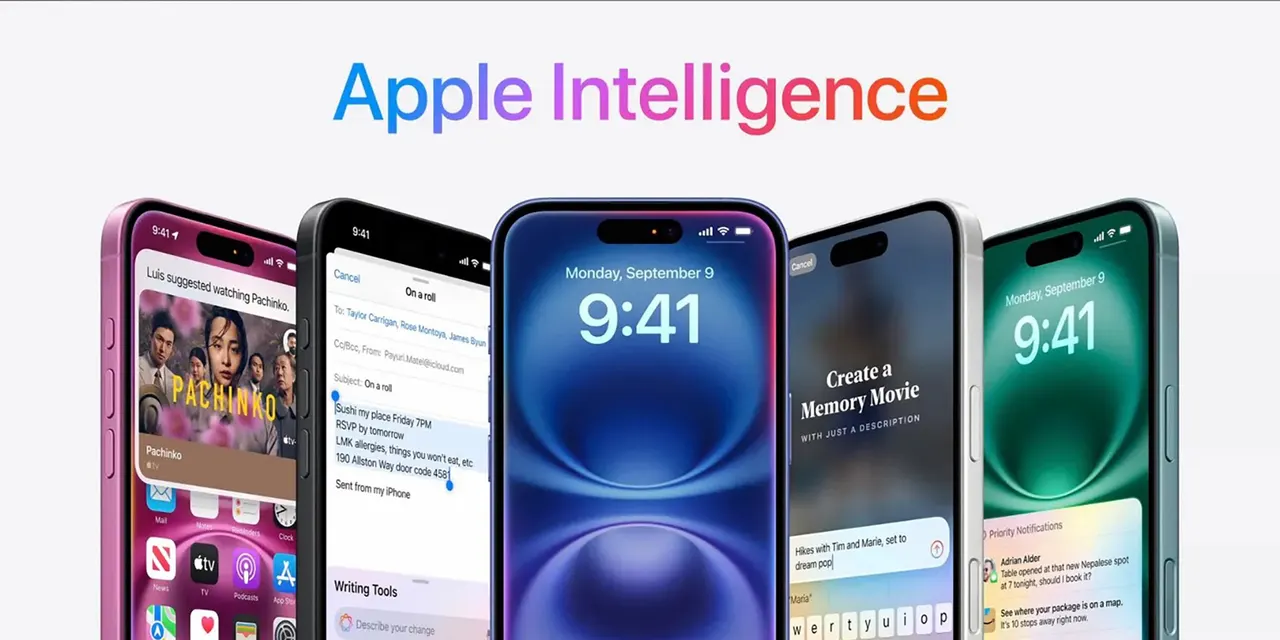
Apple Intelligence ads: South Korea moves toward a fine for Apple
South Korea's competition regulator says Apple hid that key Apple Intelligence features were delayed. One Siri feature arrived in Korean only in October 2026.
 SUMO· the number puzzle
 Dialo· learn languages by speaking
 ediviewer· read EDI files like documents
 giftdetect· the right gift in minutes
South Korea's Fair Trade Commission (KFTC) has opened formal proceedings against Apple over how it advertised Apple Intelligence on the iPhone 16. Investigators say the company hid or played down the fact that some of the promised AI features were not ready.
The case goes back to March 2025, when the civic group Seoul YMCA filed a complaint. It argued Apple may have kept marketing the iPhone 16 even though it already knew some advertised AI features would be late. The KFTC investigated, and this week its investigators sent their findings to the full Commission for deliberation.
What does the KFTC say Apple did wrong?
According to the regulator, Apple's iPhone 16 website promoted Apple Intelligence and a staggered rollout, but left out information that matters when you buy a phone. That includes the fact that some of the nine features would be hard to deliver in US English by the end of 2024, and that some were not available in US English in October 2024. It also covers the Korean-language timing: some features would be hard to deliver by early April 2025.
The press release names Genmoji, Image Playground, and two Siri abilities: understanding personal context and giving step-by-step guidance. The personal context feature was advertised for US English by the end of 2024. In reality it launched in US English in September 2026, with Korean following in October 2026.
Investigators concluded this breaks the Labeling and Advertising Act, which bans deceptive advertising. They recommend corrective orders, a ban on repeating the conduct, and a financial penalty.
How big could the fine be?
The KFTC did not state an amount. It estimates Apple's revenue tied to the alleged violation at about 3.35 trillion won, roughly $2.5 billion. Yonhap said the fine could reach about $48 million, while KBS put it between $21 million and $42 million.
Apple now has six weeks to file a written defense before the Commission decides. Apple says it cooperated with the investigation but disagrees with the conclusions, and points to the arrival of Korean-language support for Apple Intelligence last year and, more recently, for Siri AI.
South Korea is not the first place to push back. Apple agreed to a $250 million class action settlement in the US this year, and a consumer protection agency in Brazil began scrutinising it in May.
Apps worth a look
SUMO: the number puzzleTap the right tiles, add them up, hit the target. Easy to learn, hard to master. Free, for all ages.
Dialo: learn languages by speakingTalk to an AI conversation partner; every sentence comes back corrected and explained in your language. 9 languages, A1 to C2.
ediviewer: read EDI files like documentsOpen EDIFACT and X12 messages, see every segment explained, convert to JSON/XML, export PDF and Excel. Runs locally, no upload.
giftdetect: the right gift in minutesPick who it is for, the occasion and their personality. The search engine reads product descriptions from local shops and ranks what fits. Free, no sign-up.
More from this day
See all →
Epic Games v Apple: 32 states back Fortnite maker at Supreme Court

How to spot a fake AI voice: signs of voice cloning scams

Netflix's The Altruist called 'very racist' over its CZ portrayal
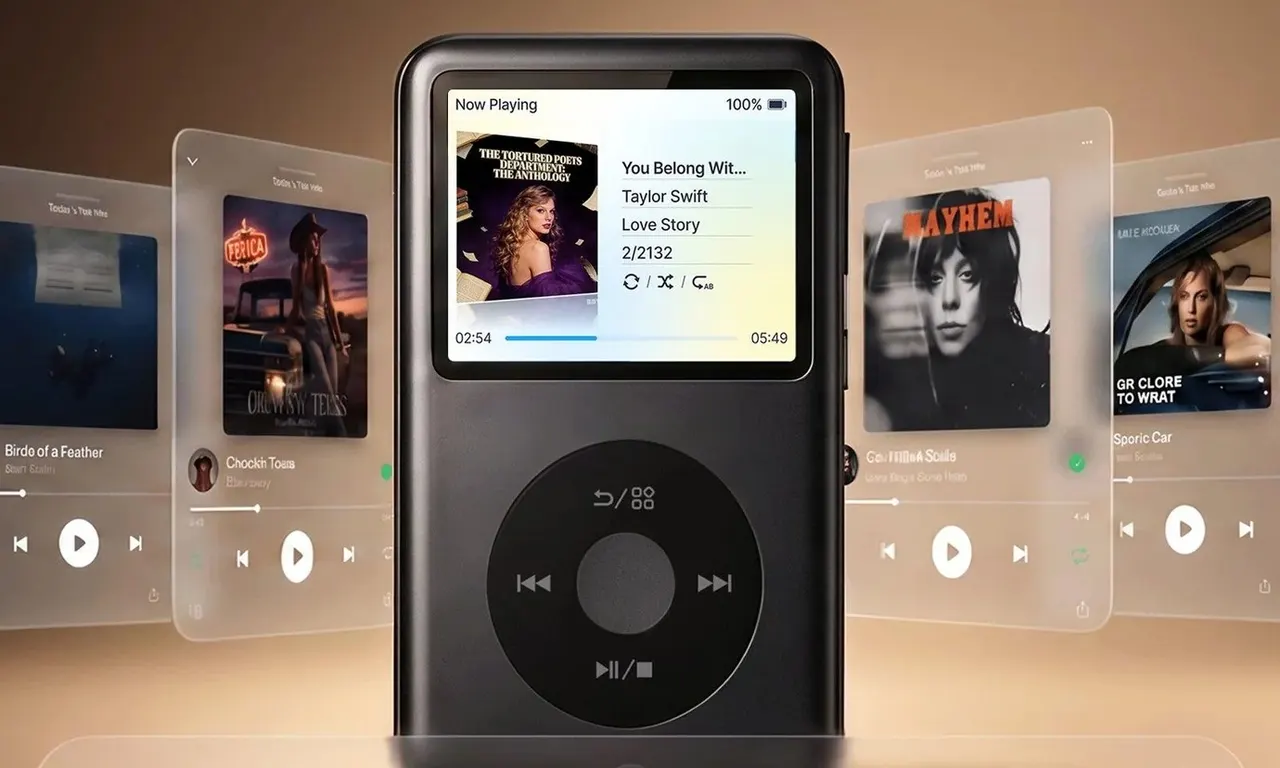
Innioasis Y2: an iPod Classic lookalike with a click wheel for $65.99
More in: Mobile
See all →
WhatsApp travel eSIM: buy mobile data without leaving the app

iPhone ads in notifications and Live Activities are piling up
Screens app turns the iPhone Duo into a tiny laptop