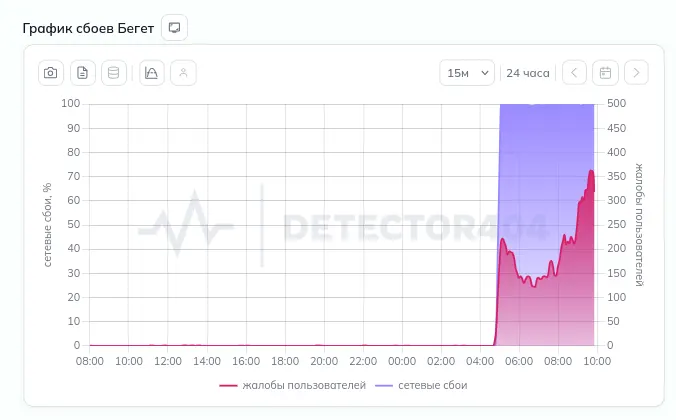
Google Cloud blames PLC misconfiguration for London outage
Google Cloud says a PLC misconfiguration and a voltage-sensing flaw stopped backup generators from starting during the October 20 outage in London.
 SUMO· the number puzzle
 Dialo· learn languages by speaking
 ediviewer· read EDI files like documents
 giftdetect· the right gift in minutes
Google Cloud has traced the October 20 outage in its europe-west2-b availability zone in London to a misconfigured programmable logic controller (PLC) that never told the backup generators to start. The disruption hit services at Lloyds, HSBC, Royal Mail and Revolut.
In a November 4 update to its status page, the company said the site uses a 2N utility power architecture, meaning complete duplicate power paths for every critical load. A central high-voltage generator bank is managed by a dual-redundant PLC. The facility is fed by two independent utility feeders, called A and B, plus a standby connection configured for manual campus-wide transfer.
A cable failure at the wrong moment
Google says the root cause was a failure in an external underground cable run by its power supplier, which connects to feeder A. Feeder B was out of action at the time: its circuit breaker had been physically opened for repairs after problems found during a quarterly generator load test on 14 October 2026. Feeder A was therefore carrying the entire critical load.
When feeder A failed, the uninterruptible power supplies, which can hold the zone for five minutes, did their job. But a "voltage-sensing design flaw and PLC misconfiguration" meant the generator plant received no automatic start signal. According to Google, the PLC logic indicated a healthy utility source was available even though both distribution feeds were de-energized, so it issued no start command. The UPSes drained and the zone lost power.
Fixes and follow-ups
After reconnecting to the utility, Google reprogrammed the PLC to prevent a repeat. It says it has made multiple changes to the electrical setup at the zone and tested that they work.
Two action items follow. A "Communications Enhancement" will build an automated alert-to-communication mechanism to speed up notifications for location-impacting incidents. Google also plans to expand platform-wide testing outcomes for infrastructure-level events.
For customers, the incident is a reminder that redundancy on paper depends on control logic working under unusual conditions, such as maintenance windows that reduce resilience. The faster-notification pledge also suggests customers were not told quickly enough as the outage unfolded.
Apps worth a look
SUMO: the number puzzleTap the right tiles, add them up, hit the target. Easy to learn, hard to master. Free, for all ages.
Dialo: learn languages by speakingTalk to an AI conversation partner; every sentence comes back corrected and explained in your language. 9 languages, A1 to C2.
ediviewer: read EDI files like documentsOpen EDIFACT and X12 messages, see every segment explained, convert to JSON/XML, export PDF and Excel. Runs locally, no upload.
giftdetect: the right gift in minutesPick who it is for, the occasion and their personality. The search engine reads product descriptions from local shops and ranks what fits. Free, no sign-up.
More from this day
See all →
Sarvam AI Launches Prism, an Open-Weight Decision Model

Google to switch off Gemini and Search for K-12 students by default

ShareChat parent Mohalla Tech reports 40% revenue growth
Xbox Cloud Gaming Lets Your Phone Act as a Controller on Smart TVs
More in: Web & Dev
See all →
Reddit Plans to Require Login Even for Reading Posts

YouTube Tests 30-Day Grace Period Before Banning Channels
Reddit Plans Mandatory Login to Curb AI Scraping and Boost Users