GLP-1 drugs like Ozempic could free up farmland the size of Italy
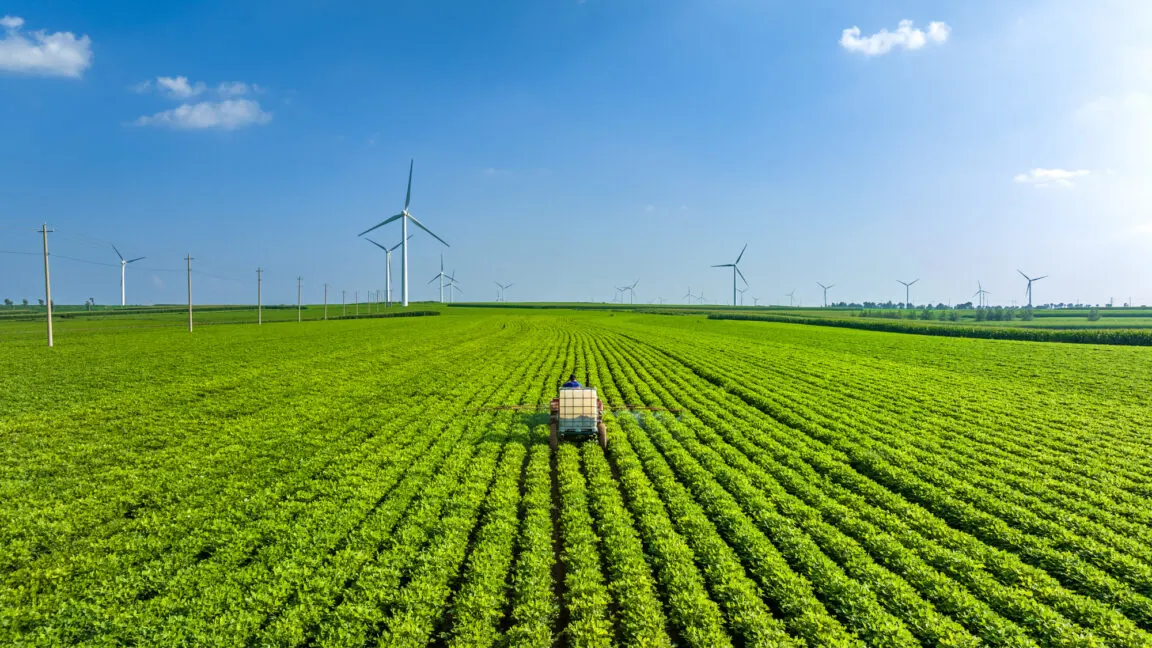
If weight-loss drugs like Ozempic and Wegovy were widely used, people would eat less, and a new simulation says up to 32 million hectares of farmland could be freed.
 SUMO· the number puzzle
 Dialo· learn languages by speaking
 ediviewer· read EDI files like documents
 giftdetect· the right gift in minutes
Weight-loss drugs such as Ozempic and Wegovy change what people eat. A new modelling study says that, at scale, they could also change how much land the world needs to farm: up to 32 million hectares, slightly more than the area of Italy.
The researchers, Roslyn Henry of the University of Aberdeen and Peter Alexander of the University of Edinburgh, used a computer simulation of the global food system. They tested scenarios from GLP-1 use concentrated in rich countries to wide access worldwide. The logic is simple: food production follows demand, so if people eat fewer calories, producers respond and the amount of land needed shifts.
With widespread use among adults living with obesity, the team estimates reduced calorie intake could prevent up to 6.6 million deaths a year by 2050 and free up that 32 million hectares.
What happens when GLP-1 use is paired with healthier diets?
The biggest effects came when lower calorie intake was combined with a shift to healthier eating. In that scenario, up to 7 million deaths a year could be avoided by 2050, and around 46 million hectares of farmland could become available for other uses. A healthier diet here means more fruit, vegetables and other nutritious foods, and less excess of foods linked to poor health, not just fewer calories.
Could cheaper food cancel out the benefit?
Possibly, in part. Food systems are linked across countries, so lower demand from GLP-1 users could push prices down. Cheaper food might encourage people not taking the drugs to eat more, which would offset some of the gain.
The authors are clear about what the study does not say. It is not an argument that people with obesity owe the planet weight loss, and not a case for putting everyone on medication. They point out that diets are shaped by price, marketing, shop locations and convenience, and that it is easy in many wealthy countries to eat large amounts of cheap, energy-dense food. They cite the UK's 2021 national food strategy, which argued that the wider food environment has to change so the better choice is the easy one.
Their conclusion is that the drugs should work alongside affordable healthy food, less promotion of unhealthy options and farm policy that supports nutritious, sustainable production. GLP-1 medicines, they say, should not become a technological fix that lets the food system avoid scrutiny.
Apps worth a look
SUMO: the number puzzleTap the right tiles, add them up, hit the target. Easy to learn, hard to master. Free, for all ages.
Dialo: learn languages by speakingTalk to an AI conversation partner; every sentence comes back corrected and explained in your language. 9 languages, A1 to C2.
ediviewer: read EDI files like documentsOpen EDIFACT and X12 messages, see every segment explained, convert to JSON/XML, export PDF and Excel. Runs locally, no upload.
giftdetect: the right gift in minutesPick who it is for, the occasion and their personality. The search engine reads product descriptions from local shops and ranks what fits. Free, no sign-up.
More from this day
See all →
MoldyRoost ad campaign can hack iPhones with one tap, Confiant says

VMware vCenter bug CVE-2026-123890 was exploited in September

South Korea's Suneung exam alert caught 49 students with phones

Kh-101 missiles found at three crash sites in Poland, prosecutors say
More in: Science
See all →
Superhabitable planets: why scientists want a better Earth
Brain implant users write first guidelines for BCI trials

Teen screen time and the brain: what a Finnish MRI study found