France Blames Iran's Shahid Kaveh for Supermarket Fridge Hack
France has formally attributed the hijacking of connected fridge controllers in about 700 supermarkets to Shahid Kaveh, an Iranian IRGC cyber unit. Here are the clues.
 SUMO· the number puzzle
 Dialo· learn languages by speaking
 ediviewer· read EDI files like documents
 giftdetect· the right gift in minutes
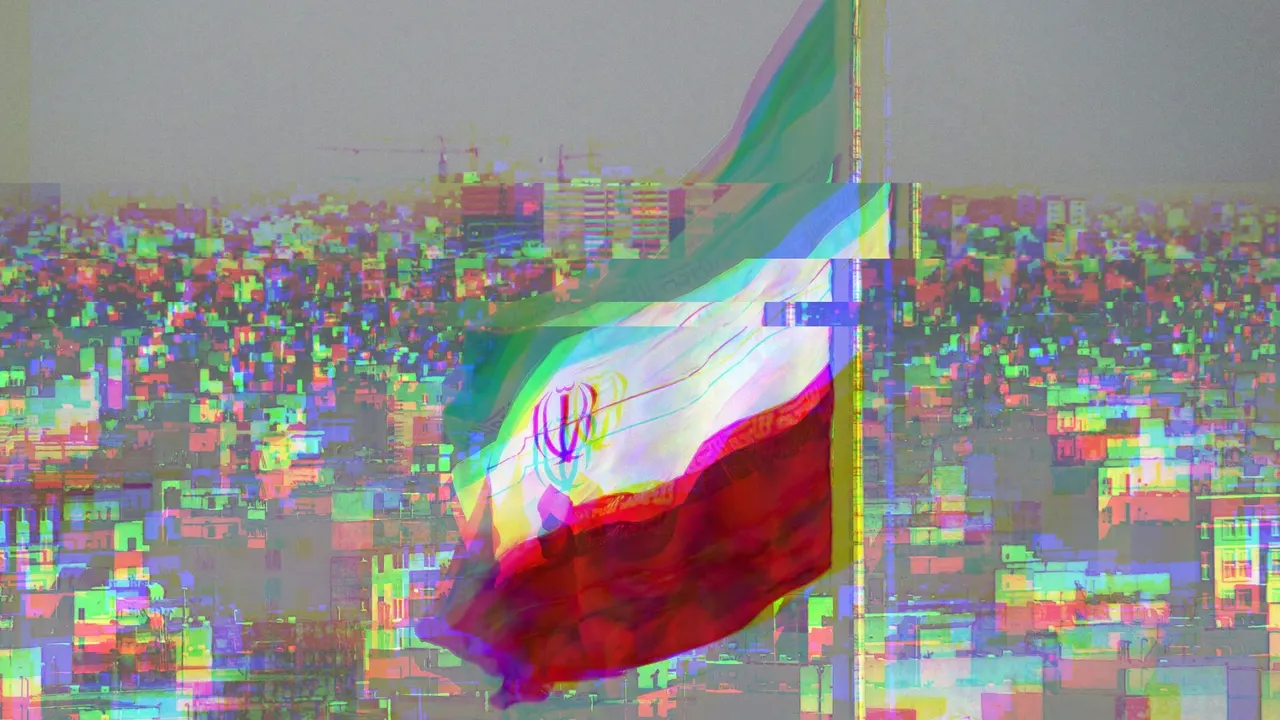
On 9 November 2026, France's Ministry for Europe and Foreign Affairs formally attributed the remote hack of refrigeration systems in French supermarkets to Iran. It names Shahid Kaveh, an offensive cyber unit affiliated with the Cyber-Electronic Center of the Islamic Revolutionary Guard Corps (IRGC).
The attack took place overnight on 11–12 October. Danfoss and Dixemm cooling controllers at around 700 supermarkets, exposed directly to the internet and protected by weak passwords, were taken over remotely.
A bundle of converging clues
The attribution rests on a note from the Cyber Crisis Coordination Centre (C4). The first clue is infrastructure: the same servers were used in the same period for reconnaissance against Schneider Electric industrial equipment, including in small energy and water production sites. The C4 also links the fridge attack to simultaneous, limited-impact targeting of small French hydroelectric installations using this hardware.
The reconnaissance relied on Modbus, a widespread industrial communication protocol that uses network port 502. According to the C4, this has been Shahid Kaveh's signature since at least April 2026, when it was seen scanning Schneider Electric systems at scale, notably in France. The operators also used the FOFA scanning tool, which the group favors.
The choice of targets fits the unit's profile too. Shahid Kaveh runs large-scale sabotage campaigns against industrial equipment, mainly in Israel and the United States. In March 2026 it claimed attacks on industrial control systems there, including Israeli refrigeration equipment, and it has had scripts to scan and control Siemens, Schneider Electric and Rockwell hardware since at least June 2024.
Two less technical elements complete the picture. On 13 October, the attack was relayed by CyberbanNews, the propaganda outlet tied to the unit, which operates behind hacktivist fronts such as CyberAveng3rs and Soldiers of Solomon. Investigators also found traces of Farsi in the attack infrastructure. None of these would suffice alone, the C4 says, but together they point to Tehran.
What comes next
ANSSI director general Vincent Strubel said authorities remain cautious about a 2 November attack on three refrigeration units at the Établissement français du sang. The method is similar, but nothing yet shows the same attacker is behind it.
Paris prosecutors have requested international arrest warrants against Shahid Kaveh's leader and his two deputies. Foreign Minister Jean-Noël Barrot said France "rules nothing out" in its response, beyond European sanctions and the summoning of Iran's ambassador.
Apps worth a look
SUMO: the number puzzleTap the right tiles, add them up, hit the target. Easy to learn, hard to master. Free, for all ages.
Dialo: learn languages by speakingTalk to an AI conversation partner; every sentence comes back corrected and explained in your language. 9 languages, A1 to C2.
ediviewer: read EDI files like documentsOpen EDIFACT and X12 messages, see every segment explained, convert to JSON/XML, export PDF and Excel. Runs locally, no upload.
giftdetect: the right gift in minutesPick who it is for, the occasion and their personality. The search engine reads product descriptions from local shops and ranks what fits. Free, no sign-up.
More from this day
See all →
Orange Launches Orange IAs, One App for ChatGPT, Claude and Gemini
France orders IRIS spy satellites from Airbus and Thales
Boston Dynamics Puts Wheels on Atlas, Lands a 360-Degree Jump
Nvidia Study: Summarizing Context Keeps AI Agent Performance
More in: Security
See all →
Korea's Financial Security Institute Hit by Hack, Data Leaked
Sharefull Breach May Expose Data of Up to 7.5 Million Accounts
NEAR AI says SGLang flaw exposed user account details