Flexi Quad: the ETH Zurich drone that bends when it crashes
Three ETH Zurich researchers flew a drone into trees and walls on purpose. Flexi Quad has a bendy frame and an AI reflex that stabilises it after impact.
 SUMO· the number puzzle
 Dialo· learn languages by speaking
 ediviewer· read EDI files like documents
 giftdetect· the right gift in minutes
Drone pilots spend their hobby trying not to hit things. Three researchers at ETH Zurich did the opposite: they flew their quadcopter into trees and walls on purpose, to see whether a drone could be built to shrug off a crash. The result is Flexi Quad, a drone with a body that bends.
The design is nominated for ETH Zurich's in-house Spark Award, which goes to the most promising invention patented over the past year.
What is Flexi Quad?
Most quadcopters and multicopters still follow a layout that is more than 100 years old: a rigid frame with arms and propellers attached. It allows high speeds and quick turns, but in a crash the energy hits the whole structure at once, undamped. That means lost control and broken parts, as many pilots will confirm.
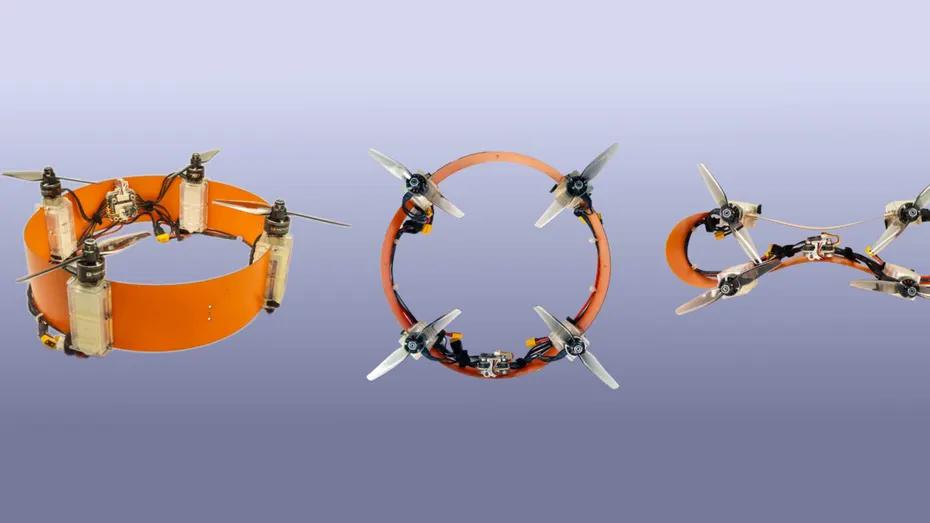
Flexi Quad instead has a ring-shaped frame made of flexible glass-fibre composite strips. Batteries and drive units sit evenly under the rotors rather than in the middle. It looks a bit like a flying cake tin without the base.
The trick is anisotropic stiffness, meaning the material is stiff in some directions and soft in others. The frame gives way sideways but not vertically, a bit like a rubber band you squeeze into a figure eight. A cable system can also squeeze the drone on purpose to get through tight gaps. The team calls this "squeezability".
How does it recover after a crash?
The deformation causes vibrations. To cope, the team used reinforcement learning, simulating countless collisions to teach the drone what lead researcher Luca Girardi of the Mobile Robotics Lab calls a "natural reflex". After impact, it briefly relies on its motion sensors to stabilise itself.
Despite the odd build, the study says it can fly up to 80 km/h with acceleration similar to conventional models. The team sees uses wherever space is tight and messy: inspecting ballast tanks on ships, search and rescue in collapsed buildings, or environmental measurements in dense forests.
They are not alone. A University of California team recently showed a small insect-inspired flying robot that survives a swat from a flyswatter.
Apps worth a look
SUMO: the number puzzleTap the right tiles, add them up, hit the target. Easy to learn, hard to master. Free, for all ages.
Dialo: learn languages by speakingTalk to an AI conversation partner; every sentence comes back corrected and explained in your language. 9 languages, A1 to C2.
ediviewer: read EDI files like documentsOpen EDIFACT and X12 messages, see every segment explained, convert to JSON/XML, export PDF and Excel. Runs locally, no upload.
giftdetect: the right gift in minutesPick who it is for, the occasion and their personality. The search engine reads product descriptions from local shops and ranks what fits. Free, no sign-up.
More from this day
See all →
Comet 220P/McNaught suddenly got 1,000 times brighter. Here's why

Coral Hart used AI to write 370 books in 20 months

WhatsApp Zaps: self-deleting photos and videos for any chat

Green SM taxis: Karnataka halts new registrations, eyes mandatory meters
More in: Science
See all →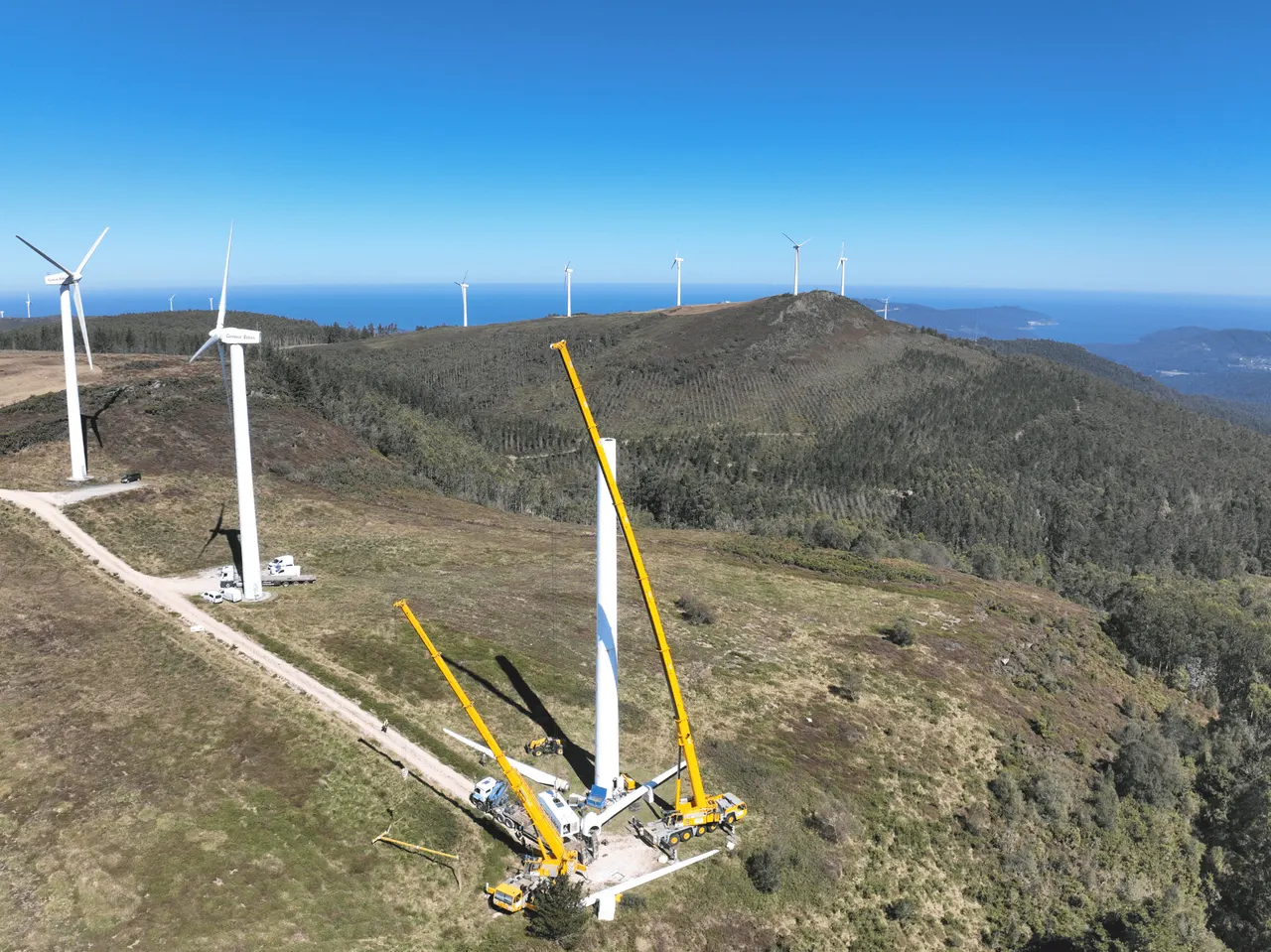
Coriscada wind farm: 4 turbines replace 40 and make 78% more power
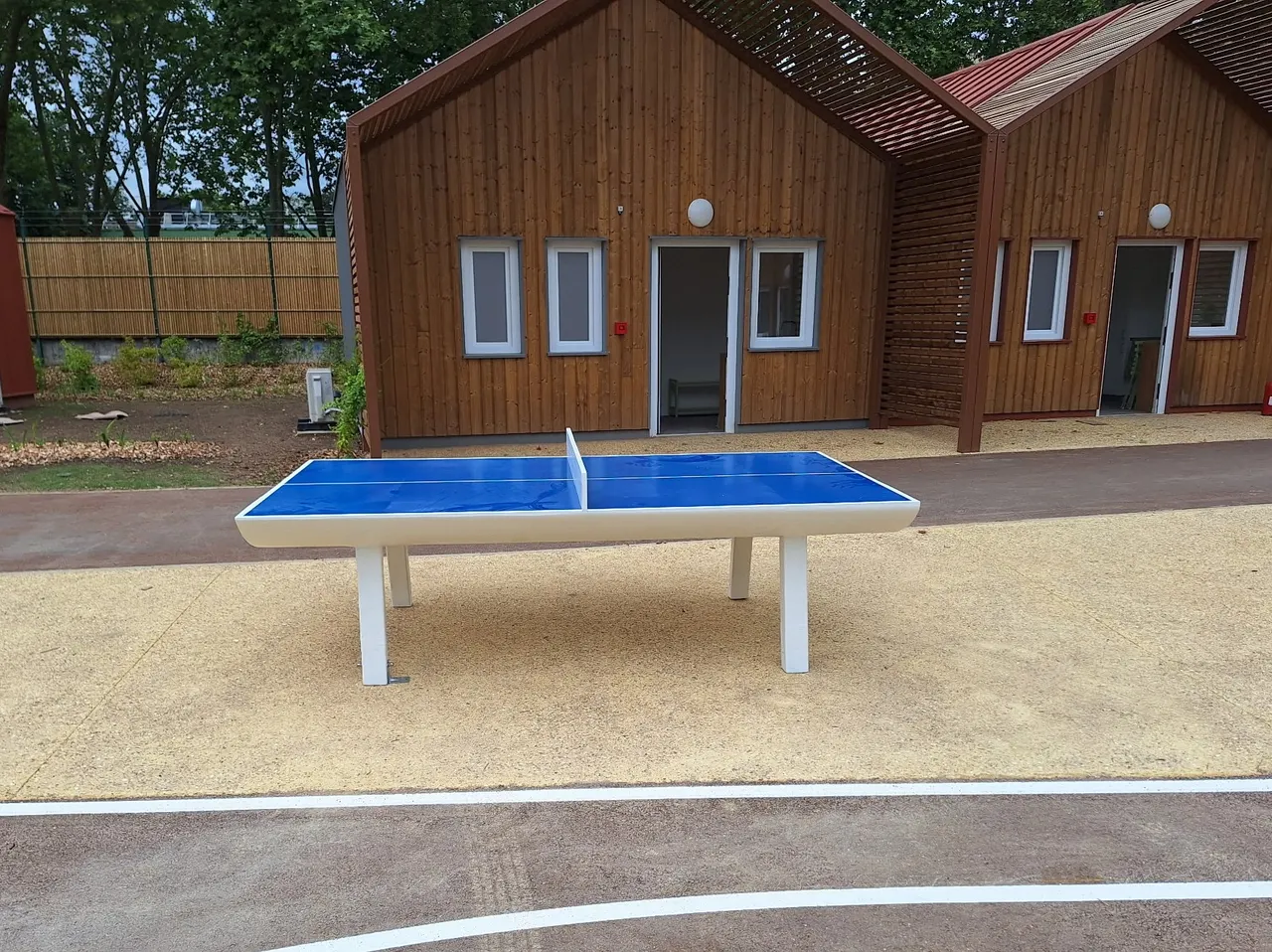
Wind turbine blade recycling: a French startup makes ping-pong tables
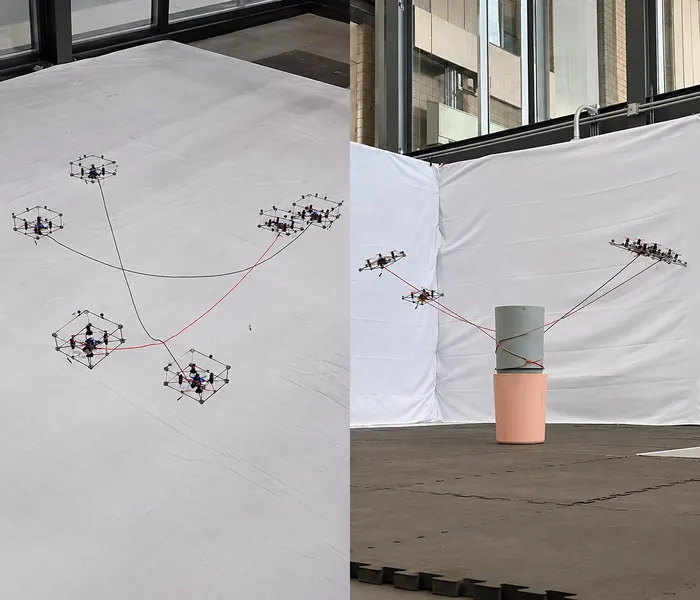
Drones that carry objects by weaving rope around them midair