FASTER Expands From SiC Charging Modules to Energy Management
Korean startup FASTER, which builds EV charging power modules on domestic silicon carbide, plans to expand into energy storage and power management systems.
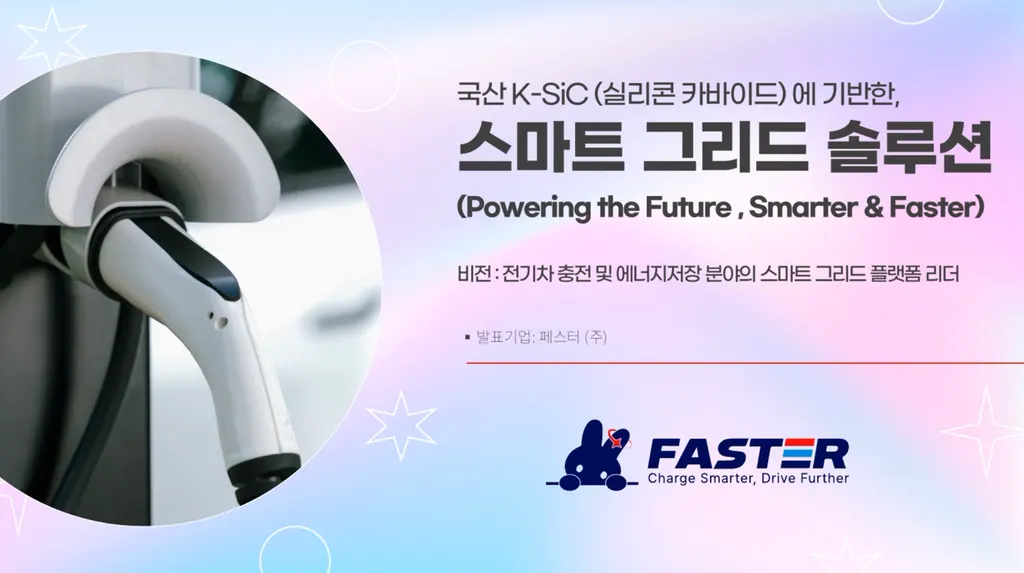
FASTER, a Korean startup known locally as 페스터, plans to grow from EV charging components into energy management solutions. The company develops power solutions based on domestically produced silicon carbide (SiC) and was profiled in episode 1429 of Startup Morning Coffee.
Its main products are a charging power module, a communication module linking vehicles and chargers, and a display system for chargers. The power module converts electricity into the form needed for charging. FASTER highlights its use of domestic SiC and the integration of an electromagnetic interference filter inside the module.
Company figures, not independently verified
Company materials cite a conversion efficiency of 97.2 percent and a pass at Class B level in KTC electromagnetic compatibility testing. These are figures supplied by the company. The original test reports and measurement conditions were not examined, so the efficiency should not be read as guaranteed under every operating condition.
The communication module is an SECC product that exchanges information between vehicle and charger. FASTER points to a compact design, functions for the Korean charging environment, and a history of certification and vehicle tests. Such features do not by themselves prevent EV fires. Safety depends on the whole charger design and on how it is installed and operated.
Business status and roadmap
The company cites cooperation with domestic charger makers, use in overseas charging projects and a production base in Incheon, where it says it set up a factory in June 2026. Timing of the overseas cases is inconsistent across its materials, so no specific month is confirmed. Sums in memoranda of understanding are not the same as recognized revenue or collected payments.
The roadmap moves from bidirectional power conversion modules to stacks that combine several modules, then to power management systems and integrated home energy storage and charging services. It lists module validation in 2026, stack and power management integration in 2027, and home system integration in 2028. A 2026 revenue projection of about 3.2 billion won is a full-year forecast, separate from the 1 billion won in cumulative revenue the company reports to date.
The key test, according to the commentary, is whether the components can be reliably integrated into customers' systems and turn into repeat orders. Certification scope per product, mass-production quality and integration experience will matter as the development and validation workload grows.
Apps worth a look
 SUMO: the number puzzle
Tap the right tiles, add them up, hit the target. Easy to learn, hard to master. Free, for all ages.
 Dialo: learn languages by speaking
Talk to an AI conversation partner; every sentence comes back corrected and explained in your language. 9 languages, A1 to C2.
 ediviewer: read EDI files like documents
Open EDIFACT and X12 messages, see every segment explained, convert to JSON/XML, export PDF and Excel. Runs locally, no upload.
More from this day
See all →Tallia raises €4 million Seed to bring AI research to tax firms
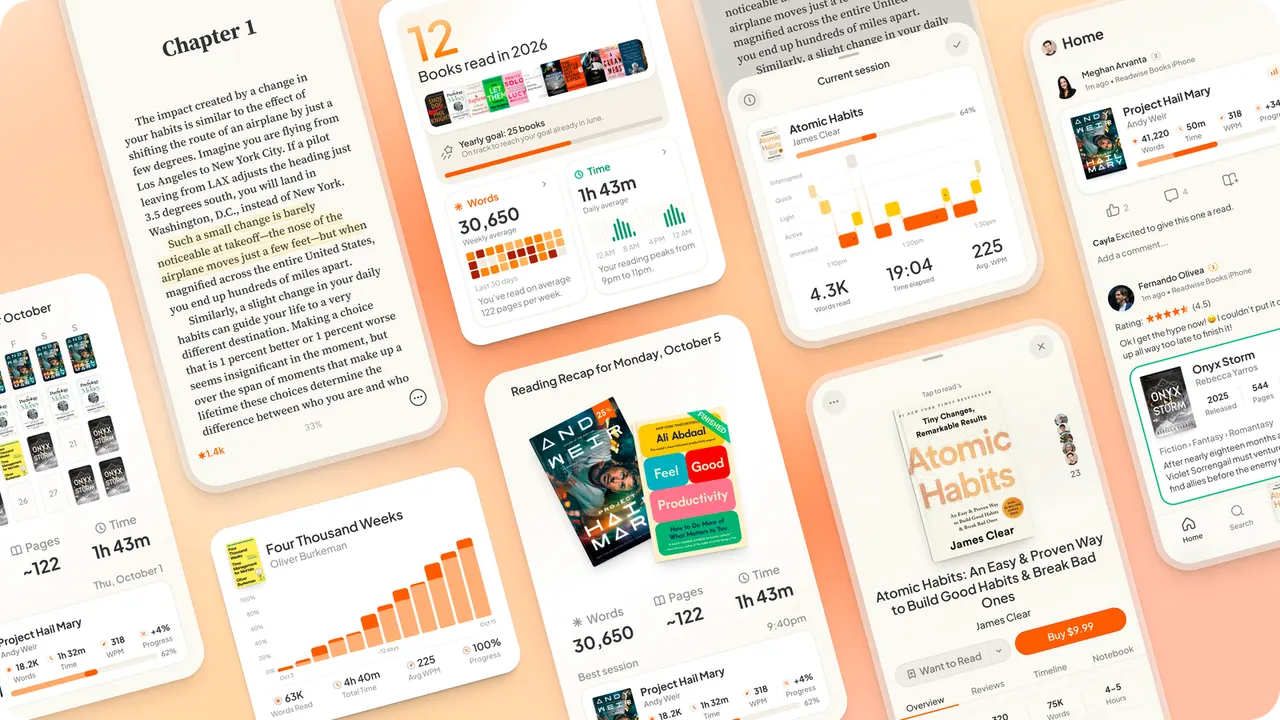
Readwise Books launches as a Kindle and Goodreads rival

42AI exits stealth with $62.5M for a behavioral world model