Euro 7 starts 29 November: what changes for new cars and yours
Euro 7 applies from 29 November 2026 and, for the first time, caps brake dust and tyre wear, even on electric cars. Cars already on the road are untouched.
 SUMO· the number puzzle
 Dialo· learn languages by speaking
 ediviewer· read EDI files like documents
 giftdetect· the right gift in minutes
If you already own a car, Euro 7 changes nothing for you. The new EU emissions standard begins to apply on 29 November 2026, but it is not retroactive, so your current vehicle keeps driving under the same conditions, with no upgrades or replacements.
The rules come from Regulation (EU) 2024/1257 and cover type approval for emissions and battery durability. Tailpipe limits for cars and vans stay at Euro 6 levels. Nitrogen oxides remain at 60 mg/km for petrol and 80 mg/km for diesel. What changes is how particles are counted: the test equipment will now count those above 10 nanometres, where before it focused on 23 nanometres and up.
What is new in Euro 7?
The big shift is that regulators no longer look only at the exhaust. Euro 7 sets limits on brake particles (PM10) and on tyre abrasion for all motor vehicles. That brings electric cars in, because until now they were exempt.
Brake limits are 3 mg/km for pure electric cars and 7 mg/km for most combustion, hybrid and fuel cell vehicles. Large combustion vans get 11 mg/km. From 2035 the figure becomes 3 mg/km for every kind of powertrain.
Batteries get rules too. Electric and plug-in hybrid cars must keep 80% of their capacity up to five years or 100,000 km, and 72% up to eight years or 160,000 km. For vans the figures are 75% and 67%. Emission limits must also hold for longer: 8 years or 160,000 km, or 10 years or 200,000 km with a 20% margin on gaseous pollutants.
When does Euro 7 apply to new cars?
It is staggered. From 29 November 2026, it applies to new car and van models receiving approval for the first time. From 29 November 2027, every new car or van registered must comply, even if its model was approved earlier. Until then, new Euro 6 and Euro 7 cars can sit side by side in showrooms. Trucks and buses get more time: May 2028 for new types and May 2029 for all registrations.
The cost will land on the market. Small, urban cars, which already have thin margins, will struggle most. For owners of compliant cars, Motor16 estimates maintenance could cost up to 200 euros more per year.
Apps worth a look
SUMO: the number puzzleTap the right tiles, add them up, hit the target. Easy to learn, hard to master. Free, for all ages.
Dialo: learn languages by speakingTalk to an AI conversation partner; every sentence comes back corrected and explained in your language. 9 languages, A1 to C2.
ediviewer: read EDI files like documentsOpen EDIFACT and X12 messages, see every segment explained, convert to JSON/XML, export PDF and Excel. Runs locally, no upload.
giftdetect: the right gift in minutesPick who it is for, the occasion and their personality. The search engine reads product descriptions from local shops and ranks what fits. Free, no sign-up.
More from this day
See all →
Teledroid robot heads to the ISS: first spacewalk-style work in 2027

Spanish real estate Instagram videos: why agencies film house tours
Japan's railgun fires 10 shots in a row, no gunpowder needed

Kīlauea lava may carry carbon from Earth's core, study finds
More in: Automotive
See all →
Paris electric car parking: free spots to end from July 2027

Porsche 550 J: an 80% electric 550 Spyder for £69,500
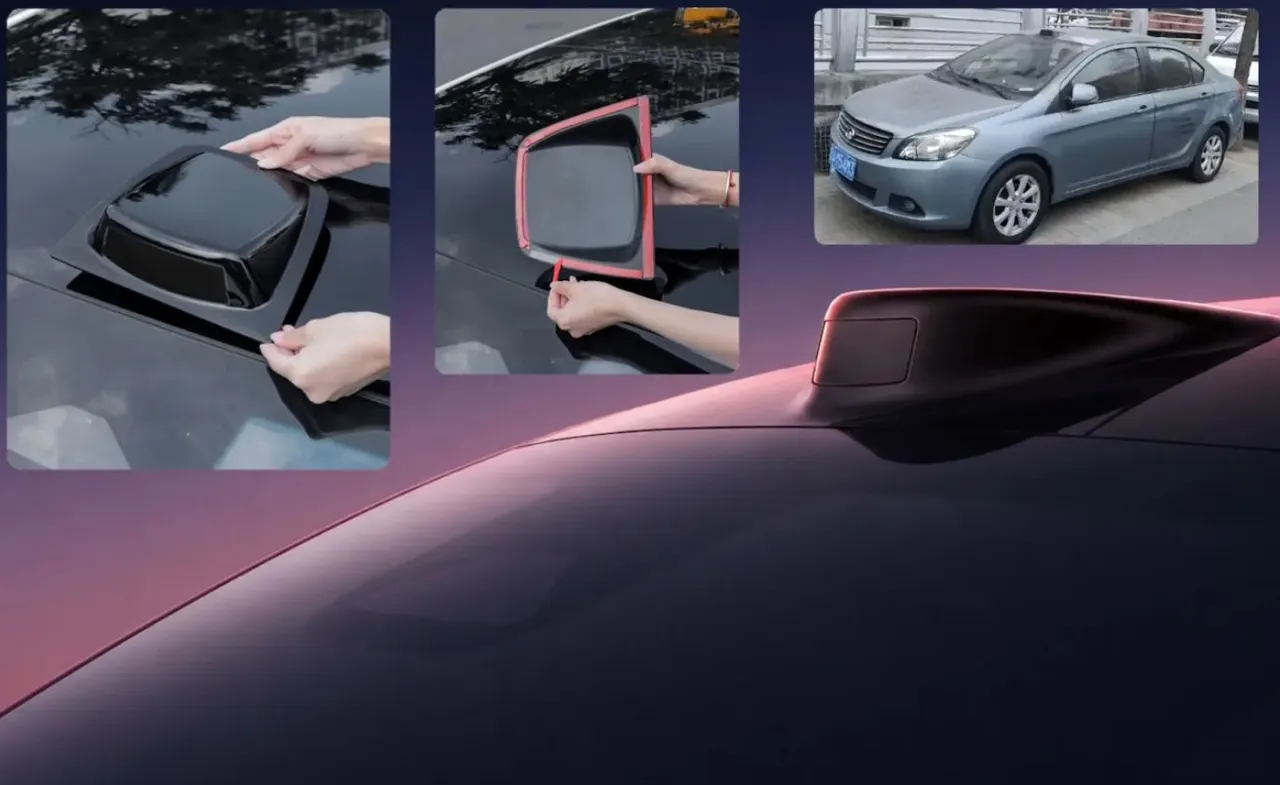
Fake lidar covers sell in China from $1 to fake a top trim