Fake lidar covers sell in China from $1 to fake a top trim
In China, a roof-mounted lidar sensor has become a status badge, so sellers offer plastic dummies from $1. One owner used one to get $4,500 more on a trade-in.
 SUMO· the number puzzle
 Dialo· learn languages by speaking
 ediviewer· read EDI files like documents
 giftdetect· the right gift in minutes
Fake lidar is now a thing you can buy online in China. Plastic dummy housings, sold from around $1, let a cheap car look like the top trim, and at least one owner tried to use one to squeeze more money out of a dealer.
Lidar is the laser sensor that measures distance and spots obstacles. It sits on the roof of many Chinese electric and hybrid cars (NEVs) and feeds driver-assistance systems. With price cuts hitting the market hard, features once reserved for expensive cars, such as air suspension, all-wheel steering and driver assistance (ADS), now show up in fairly affordable models. The lidar bump has become a quick visual cue. It often separates a premium model from a base one, or a pricier trim from a cheaper one in the same line.
What are fake lidar covers?
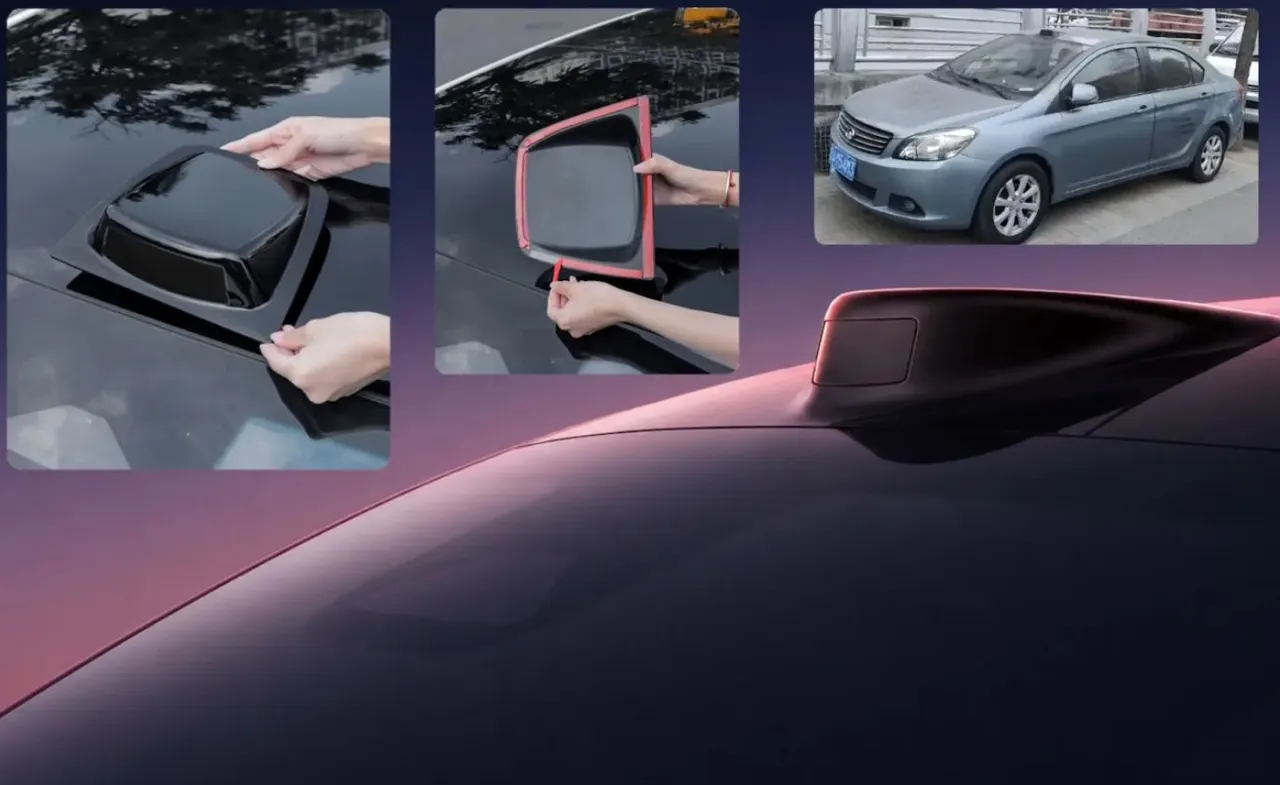
They are ABS plastic shells, painted black, that stick onto the roof. On Taobao, China's biggest shopping platform, one popular listing covers the whole Li Auto hybrid SUV range, from the L6 to the L9. A plain black housing costs $7. A $22 version adds a decorative strip running across the width of the windscreen. Listings also exist for the Denza D9, Leapmotor C10 and Aito M7. The cheapest ones promise waterproofing, "top-trim looks" and adhesive tape for fitting.
Used to inflate resale value
Autohome reports that an owner of a Li L6 bought the base Pro trim, which has no roof lidar. When trading it in, he stuck a dummy on the roof and passed the car off as the L6 Max. The appraiser valued it $4,500 above the standard Pro.
The real lidar hidden inside
The Dongfeng eπ M8, an update of the eπ 008, runs Huawei's Qiankun ADS 5 Pro, but its lidar sits inside the cabin, not on the roof. Dongfeng apparently feared buyers would miss the bump, so it put an ADS indicator light, nicknamed the "little blue light", where a lidar would normally go. Chinese users mocked it as a pretender until the company explained the sensor was inside.
Separately, this summer Chinese regulators approved rules requiring physical controls for 19 core functions on every car sold in the country. These include indicators, hazard lights, horn, gear selection, driver-assistance activation, wipers, windscreen heating, windows and emergency calls. All relate to safety, so the regulator did not want them buried in touchscreen menus.
Apps worth a look
SUMO: the number puzzleTap the right tiles, add them up, hit the target. Easy to learn, hard to master. Free, for all ages.
Dialo: learn languages by speakingTalk to an AI conversation partner; every sentence comes back corrected and explained in your language. 9 languages, A1 to C2.
ediviewer: read EDI files like documentsOpen EDIFACT and X12 messages, see every segment explained, convert to JSON/XML, export PDF and Excel. Runs locally, no upload.
giftdetect: the right gift in minutesPick who it is for, the occasion and their personality. The search engine reads product descriptions from local shops and ranks what fits. Free, no sign-up.
More from this day
See all →
2 billion password leak: researcher says France is a prime target

UBTech Walker S3 humanoid robot rappels down a wall on a rope

AI voice clone of streamer N3ON led to a 47-month prison term