Why Earbuds May Beat Smart Glasses as the AI Assistant Device
Smart glasses raise privacy worries because of the camera on the face. An opinion piece argues earbuds, already in hundreds of millions of ears, are the better AI wearable.
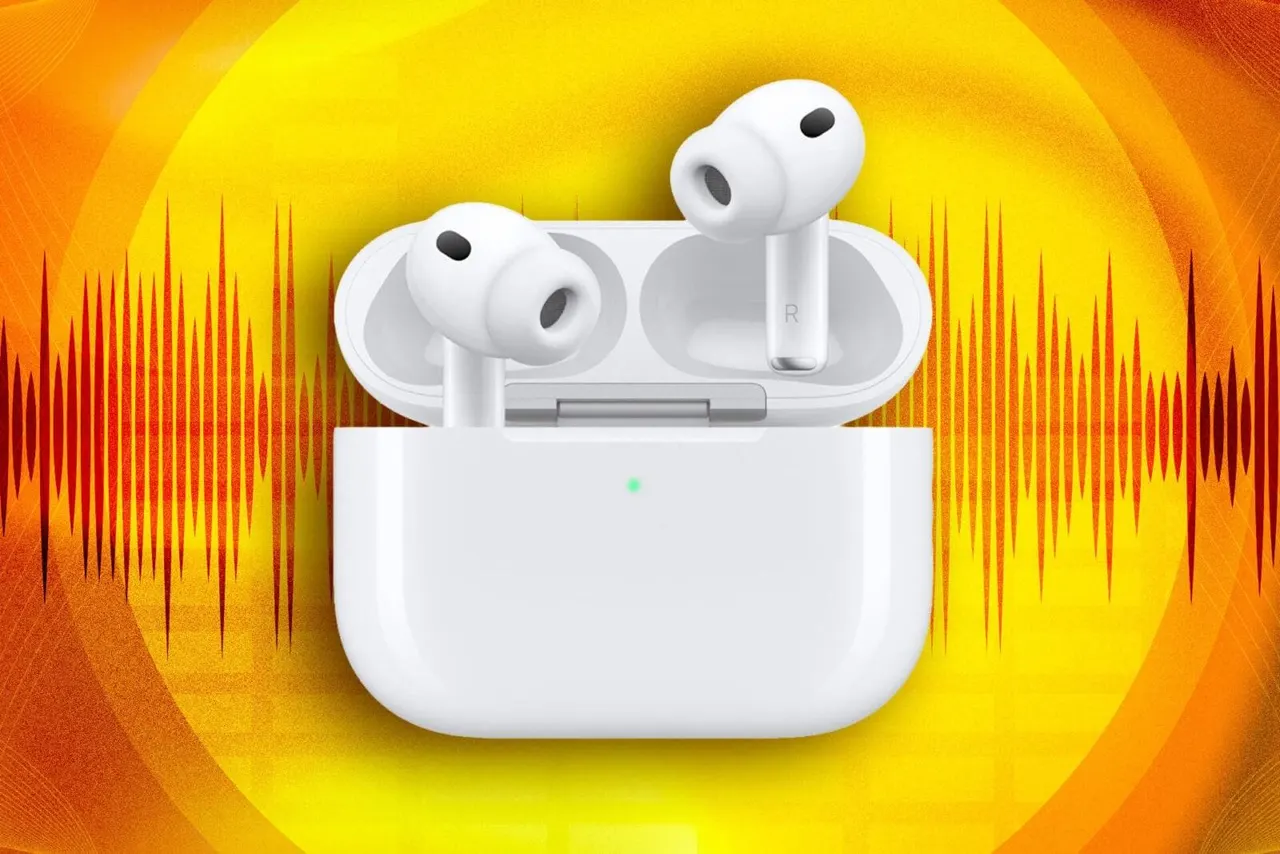
Smart glasses promise live translation, object recognition and even name prompts at a party. But an opinion piece by Gizmodo's John Loeffler argues that the best wearable for an AI assistant is already in our ears: wireless earbuds.
The core problem with AI glasses is not the AI but the camera on the wearer's face. Unauthorized filming and harassment with Ray-Ban Meta glasses have become an issue, and some bars and clubs have moved to ban them. Most users simply film sports or use translation while traveling. Still, people nearby cannot tell whether the wearer is recording them or just looking at a display only the wearer can see. Apps that detect nearby smart glasses have also appeared.
Already part of daily life
Earbuds, by contrast, blend in. Someone talking while wearing them looks like they are on a phone call, and a chat with an AI would look much the same. The numbers also favor them: 420 million wireless earbuds were sold worldwide in 2025, against 7 million Ray-Ban Meta AI glasses.
Earbuds do not solve every privacy issue. Voice AI researcher Irtaza Shahid stresses that an AI should collect only the information it needs, rather than recording everything and worrying about protection later.
Cameras in earbuds
Vision is the main selling point of glasses, but it may not require a camera on the face. VueBuds, built by Maruchi Kim and colleagues at the University of Washington, put tiny monochrome cameras into Sony earbuds. They do not stream video. They capture one image per side only when needed and pass it to the AI.
In a study with 90 participants, VueBuds performed on par with Ray-Ban Meta glasses across more than a dozen visual AI tasks, including image recognition and translation. High-resolution 1080p images, the argument goes, are not necessary for useful answers.
The author's conclusion is that earbuds should handle conversation, with a camera or phone used only when visual input is needed. It is a less dramatic vision than science fiction, but a more realistic one for something worn all day.
More from this day
See all →
Wikimedia Weighs In on New York Times Lawsuit Against OpenAI

German Physicists Film Electrons Moving in Graphene in Real Time

Samsung Intelligent Eyewear Smart Glasses Reportedly Launch in December