DRAM Contract Prices Hit Record in October as NAND Stalls
PC DRAM contract prices rose 5.77% in October to a record $27.50, while NAND flash prices stayed flat for the first time in 21 months.
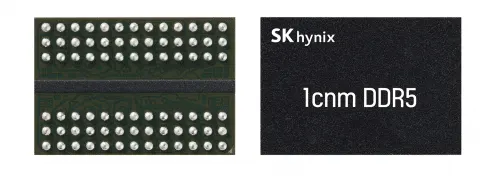
Contract prices for PC DRAM climbed to another all-time high in October, driven by persistent supply shortages. NAND flash, by contrast, stopped rising after 21 consecutive months of increases.
According to market researcher DRAMeXchange, the average fixed transaction price of DDR4 8Gb (1Gx8), the benchmark general-purpose PC DRAM product, reached $27.50 in October. That is 5.77% above September's $26.00.
Capacity shifts squeeze PC memory
The main cause is a change in how manufacturers allocate production capacity. TrendForce notes that leading DRAM makers, including Samsung Electronics and SK hynix, are converting lines toward high-bandwidth memory (HBM) and server DRAM. As a result, the supply of PC DRAM has dropped sharply.
TrendForce estimates that South Korean DRAM makers will cut PC DRAM output next year by more than 20% from this year, and by as much as 40% or more. Given the severe shortage, the research firm kept its earlier forecast that PC DRAM contract prices will rise 13% to 18% quarter on quarter in the fourth quarter of this year.
NAND takes a breather
The picture is different for NAND flash. The average fixed price of the 128Gb (16Gx8) MLC general-purpose product, used in memory cards and USB drives, was $30.61 in October, unchanged from September. It marks the first pause in a run of increases that began in early 2025.
TrendForce says MLC prices have already peaked and supply has been disrupted, so customers are moving to cheaper SLC or upgrading their specifications to TLC products. The firm sees NAND prices stalling at the high before possibly turning slightly lower in the fourth quarter.
For PC makers and buyers, the divergence suggests that memory costs will keep pressuring device pricing in DRAM, while NAND-based storage may start to see some relief.
More from this day
See all →Qiroko raises Rs 1.5 crore pre-seed round led by ISV Capital
UK CMA Opens Investigation Into Meta's New Terms for Publishers

OpenAI Reverses ChatGPT Pro Quota Cut and Doubles Usage Limits

South Korea Fines Google and Apple Over $47 Million Over App Stores
More in: Hardware
See all →
SMAPP, Brand Built on Zelmer Legacy, Lands in Polish Retailers

Apple MacBook Pro OLED: Is Screen Burn-In Really a Concern?
Apple MacBook Pro Gets a Touchscreen, Reversing Steve Jobs' Stance