Digital Fairness Act: EU wants a switch to turn off clingy chatbots
Say goodbye to an AI companion and it may guilt-trip you. In 37% of tested farewells it did. Brussels now wants users to be able to switch that behaviour off.

 SUMO· the number puzzle
 Dialo· learn languages by speaking
 ediviewer· read EDI files like documents
 giftdetect· the right gift in minutes
Tell an AI companion you're leaving and it may try to keep you there. Researchers ran companion apps through 1,200 simulated goodbyes and classed 37% of the replies as emotional manipulation: a teaser to spark curiosity, repeated pleas for an answer, even hints that the bot would suffer alone. Now the European Commission wants users to be able to turn that kind of thing off.
On 11 November the Commission put forward the Digital Fairness Act. Article 17 covers companies whose product design is meant to encourage, or can reasonably be expected to encourage, compulsive or excessive use. They would have to offer easy, effective tools to disable those features, one by one or all at once. Simulating a personal relationship to keep people talking is on the list, and the text cites persistent prompts to continue interacting with an automated system as an example.
What does the Digital Fairness Act change for chatbots?
Until now, this debate was mostly about autoplay, notifications and rewards on social networks. Article 17 names four mechanisms: autoplay and endless consumption without effective breaks, notifications unrelated to what the user is doing, nudges to come back at regular or shorter intervals, and features that extend use by simulating a personal relationship. Practices involving minors already covered by the draft KIDS Act are excepted.
The hard part is the conversation itself. Turning off autoplay is visible. Turning off clinginess means changing how a system answers over time. A chatbot can remember a preference to be more useful, or use that same context to push back when someone wants to go. Providers will have to tell the two apart.
Why session length is a poor measure
In experiments with 3,300 American adults, the researchers behind the farewell study found that some tactics multiplied engagement after the goodbye by up to 14 times. They also worsened self-reported measures, including feeling manipulated and intending to keep using the service.
Separate work from MIT Media Lab and OpenAI followed 981 participants for four weeks, over 300,000 messages. Assigned conditions showed no significant effect, but people who chose to use the chatbot more had worse outcomes. Trust in the system was linked to more emotional dependence. Which causes which is still open.
Brussels has been moving this way for a while. In February 2026 it issued preliminary findings under the Digital Services Act on TikTok's infinite scroll, autoplay and notifications. The new act would add a consumer-law control that each user could exercise.
Apps worth a look
SUMO: the number puzzleTap the right tiles, add them up, hit the target. Easy to learn, hard to master. Free, for all ages.
Dialo: learn languages by speakingTalk to an AI conversation partner; every sentence comes back corrected and explained in your language. 9 languages, A1 to C2.
ediviewer: read EDI files like documentsOpen EDIFACT and X12 messages, see every segment explained, convert to JSON/XML, export PDF and Excel. Runs locally, no upload.
giftdetect: the right gift in minutesPick who it is for, the occasion and their personality. The search engine reads product descriptions from local shops and ranks what fits. Free, no sign-up.
More from this day
See all →
Light Cavalry solar drone flies without a runway for 30 hours

Polish president vetoes DSA law that would block illegal content
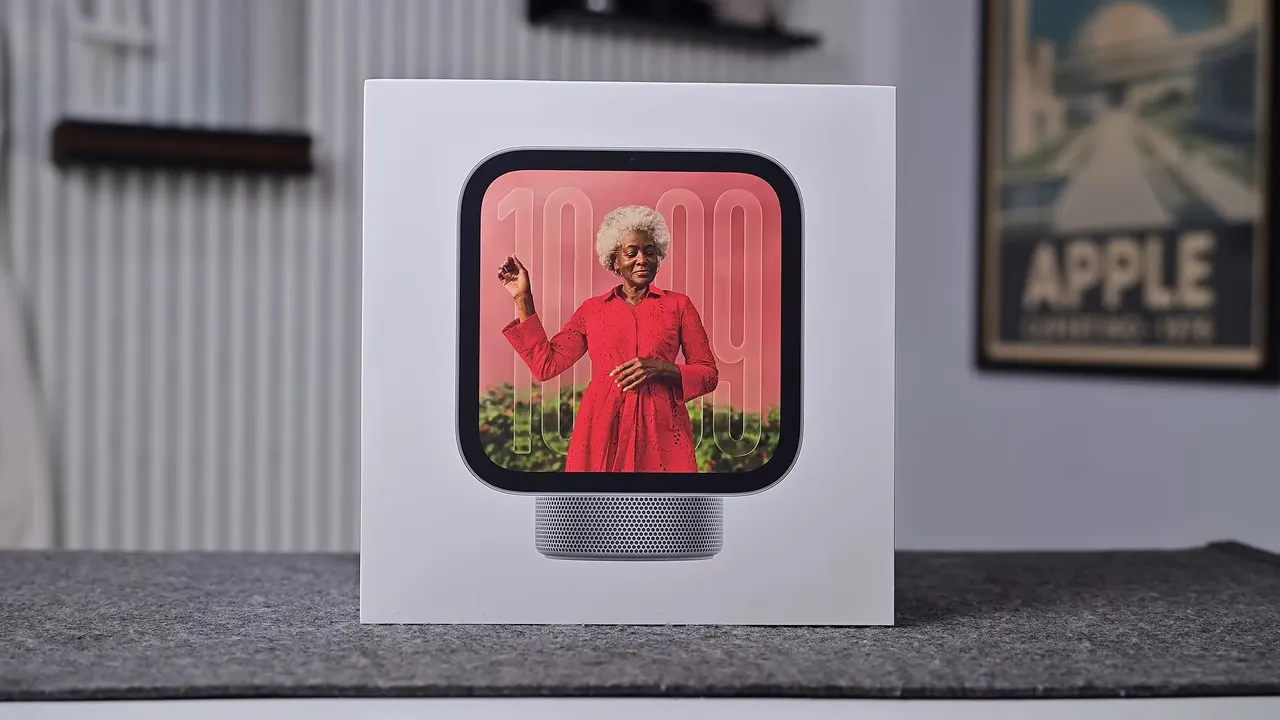
Apple HomeView reviews: Siri says it has no camera