D-Propulse Tests Indian Rotating Detonation Engine for Missiles
Indian startup D-Propulse has ground-tested a 5 kN air-breathing rotating detonation engine and plans flight trials in 2027, aiming to cut reliance on foreign propulsion.
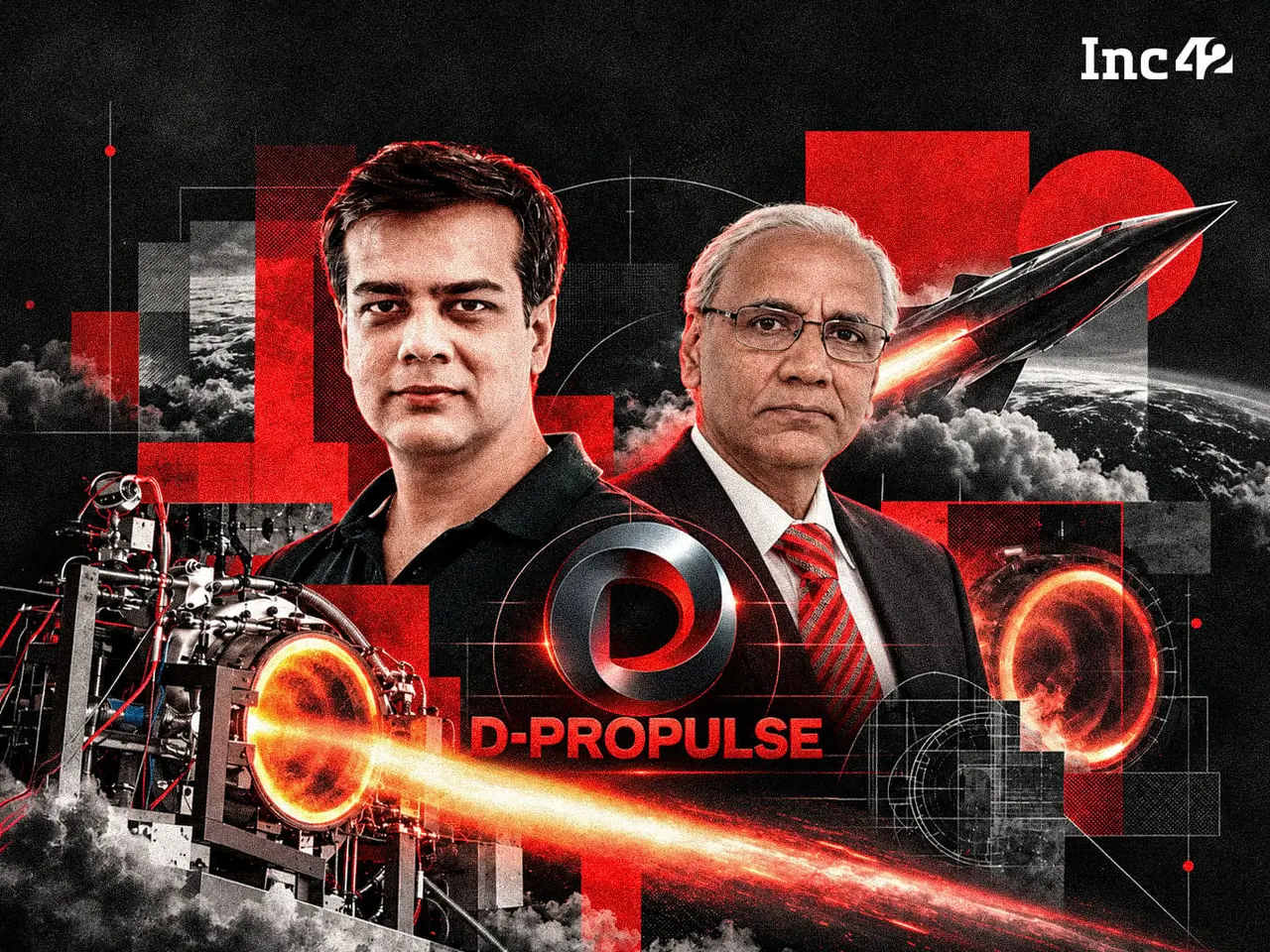
D-Propulse, an Indian defence startup founded in 2025, has demonstrated a 5 kN air-breathing rotating detonation engine (RDE) and says the technology could help India reduce its dependence on foreign propulsion suppliers. The company plans flight tests between June and December 2027 and limited series production by the end of 2028.
How the engine works
Unlike conventional engines that burn fuel with a steady flame, an RDE generates thrust from supersonic detonation waves. A spark ignites a fuel-air mixture, and the resulting shockwave travels around a ring-shaped combustion chamber thousands of times per second, continuously compressing and igniting fresh fuel. The approach could yield engines that are more fuel-efficient, compact and mechanically simpler, which makes them attractive for high-speed drones and missiles.
Co-founder Saurav Jha, who founded Delhi Defence Review, claims the engine is 15-25% thermally more efficient than an air-breathing jet engine and needs fewer moving parts than a gas turbine. The other co-founder, Dr V Ramanujachari, previously led DRDO's scramjet programme and researched RDEs at IIT Madras.
In July 2026, the startup showed the test run at DRDO's DRDL facility in Hyderabad. According to the company, its proof motor exceeded projected thrust despite reduced airflow and completed five ground tests within 24 hours.
Cost claims and competition
Jha says D-Propulse can build RDEs at least 60% cheaper than conventional ramjets. That figure rests on projected manufacturing economics and has not been validated through commercial production. The company has no revenue or customers yet, although it is eyeing the Indian Armed Forces as first buyers.
Globally, GE Aerospace and Lockheed Martin have tested a rotating detonation ramjet, and US-based Venus Aerospace is pursuing similar technology. Fortune Business Insights values the scramjet market at over $500 million in 2025, with the RDE opportunity projected to pass $2.4 billion by 2030.
What comes next
D-Propulse is building a combustor test facility of more than 5,000 sq ft at IIT Madras, with air mass flow of about 10 kg/sec and an in-house HPC cluster. A liquid-hydrocarbon combustion test is planned soon, and the company intends to raise a Series A round by early next year. It also wants to rent out its testing infrastructure as an early revenue stream, cutting the time and cost of overseas testing for Indian engine developers.
More from this day
See all →Easol raises €26.78M Series A extension, launches AI agents

Samsung News app shuts down on December 21 on Galaxy devices
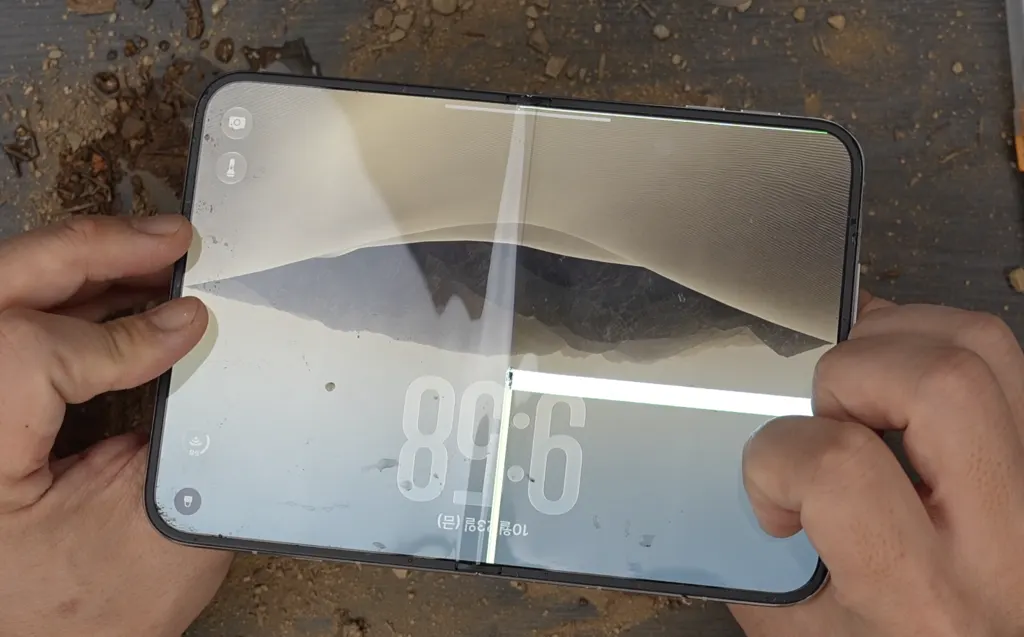
iPhone Duo Screen Failures Traced to a Hinge Part, iFixit Says