Cyberattacks on Refrigeration Hit German Supermarkets
Hackers are suspected of remotely raising temperatures in supermarket freezers in North Rhine-Westphalia and Lower Saxony. Police are investigating, and the EU has convened crisis talks.

 SUMO· the number puzzle
 Dialo· learn languages by speaking
 ediviewer· read EDI files like documents
 giftdetect· the right gift in minutes
Police in Germany are investigating several suspected cyberattacks on supermarket refrigeration systems, part of a wave of incidents that has already reached a number of other European countries. According to investigators, attackers appear to have broken into cooling units in North Rhine-Westphalia and Lower Saxony and turned the temperatures up remotely.
Spoiled food in several towns
Police say refrigeration systems in Wuppertal, Wetter near Hagen and the Münsterland region were probably disabled by hackers. Temperatures were set so high that food spoiled and had to be thrown away. In Wuppertal, the attack happened over the weekend and was noticed on the morning of 2 November. In Raesfeld, the cooling also failed, and officials are still checking whether hackers were responsible.
In Lilienthal near Bremen, service counters, cold rooms and freezers failed overnight into 2 November and heated up to 30 degrees. Owner Daniel Breiding said goods worth more than 360,000 euros had to be discarded. A supermarket run by Arbeiterwohlfahrt in Wetter-Volmarstein was also hit; operators said the real target was the company that maintains the cooling systems remotely.
In recent days, similar attacks were reported in Belgium, Sweden, Ireland, Luxembourg, Estonia, Finland and the Netherlands. A Belgian refrigeration service provider said the systems were remotely switched into defrost mode. In mid-October, a large attack on a technology provider had already affected stores of several major French grocery chains, and the Paris prosecutor's cybercrime unit took over that investigation.
Political response
Federal Digital Minister Karsten Wildberger called for stronger protection of digital building and operational technology, noting that Germany's Federal Office for Information Security had issued such calls before the latest attacks. All companies and public administrations, he said, need to take more precautions.
The European Commission held two crisis meetings, including the EU cybersecurity agency Enisa, Europol and Commission experts, and activated the European cyber crisis network. Investigations remain with national authorities. Who is behind the attacks is still unclear, but a Commission spokesperson said the incidents show that Europe must prepare jointly for such attacks.
Apps worth a look
SUMO: the number puzzleTap the right tiles, add them up, hit the target. Easy to learn, hard to master. Free, for all ages.
Dialo: learn languages by speakingTalk to an AI conversation partner; every sentence comes back corrected and explained in your language. 9 languages, A1 to C2.
ediviewer: read EDI files like documentsOpen EDIFACT and X12 messages, see every segment explained, convert to JSON/XML, export PDF and Excel. Runs locally, no upload.
giftdetect: the right gift in minutesPick who it is for, the occasion and their personality. The search engine reads product descriptions from local shops and ranks what fits. Free, no sign-up.
More from this day
See all →
Google Plans Closed-Door Geospatial Forum in Korea Before Map Export
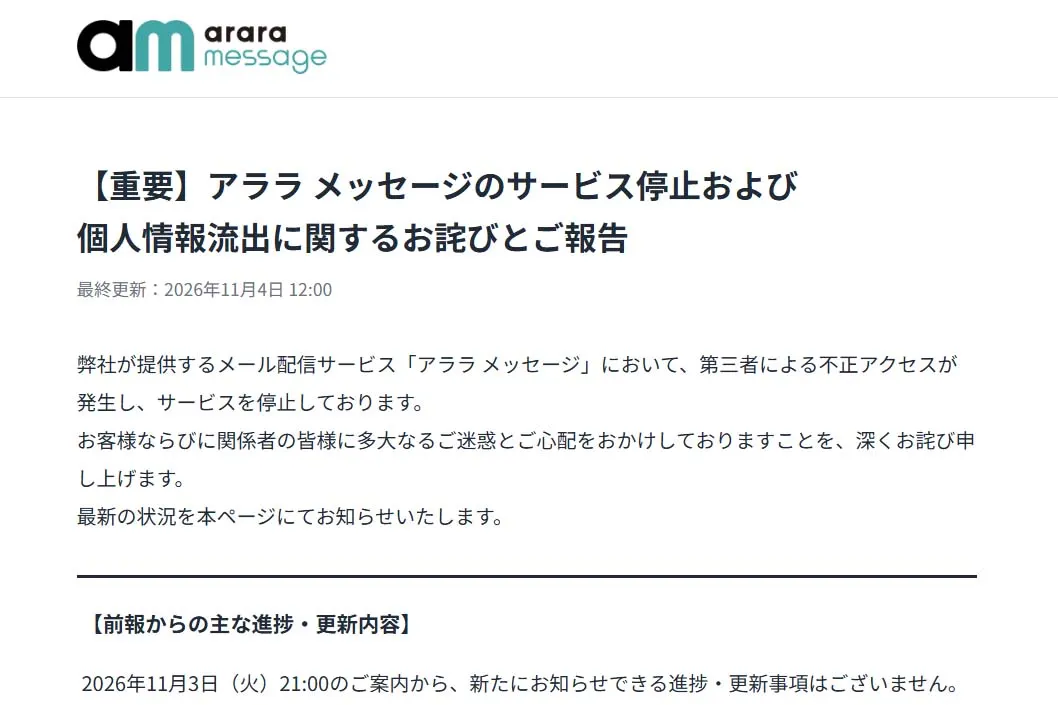
Arara Message Breach Exposes About 77 Million Email Addresses
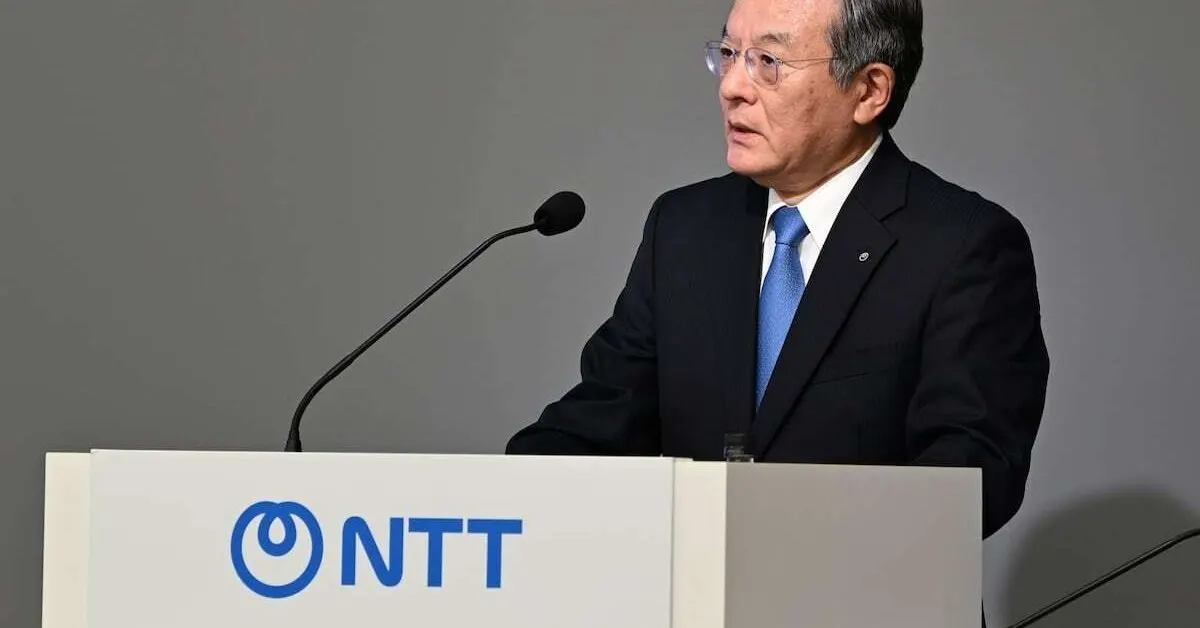
NTT CEO Shimada Urges Legal Basis for Blocking Attacker Sites