Colsto Geolocates a Camera Using Faint Propeller Plane Noise
Video maker Colsto located a surveillance camera to within about 100 metres using the Doppler signature of propeller planes and public flight data, after months of work.

A near-silent audio track can reveal where a video was filmed. Video maker Colsto showed this by locating a surveillance camera to within roughly 100 metres, using only the faint noise of propeller aircraft and public flight-tracking data.
His starting point was minimal: a blurry, almost static clip of a tree line, the recording date, and a search area covering the continental United States. The time of day was unknown. In a video published on 2 November 2026, he explains how engine noise, inaudible to the ear in the excerpts he plays, was enough to narrow the search.
From Doppler curves to candidate locations
Colsto opened the soundtrack in a spectrogram, which plots frequencies over time. Zooming in on the right band revealed curves caused by the Doppler effect, the same phenomenon that makes an ambulance siren sound higher as it approaches. In a simplified model of a plane flying straight at constant speed, the size of the frequency shift indicates its speed, and how quickly it changes helps estimate the minimum distance to the microphone.
He picked two aircraft passes about 920 seconds apart. He then pulled ADS-B tracking data for flights over the continental US that day, excluded known jet models, and built a grid of possible locations spaced 200 metres apart. For each point he calculated when the sound would have been heard, accounting for the travel time of sound, aircraft altitude and terrain elevation.
The silence between the two passes also mattered. Locations where another aircraft should have been audible during those nearly 15 minutes were discarded, cutting the candidates from about 73,000 to 15,000. He then simulated the expected sound curves for each remaining point and compared them with the spectrogram. After refining the grid to 100 metres, one combination of place and flights stood out clearly.
Limits of the method
When he repeated the search with just one minute of audio and the known recording time of 20:37 UTC, a single pass was enough to find the same area. Street View then confirmed the exact camera by matching the shape of the trees.
The demonstration is not a shortcut. Colsto says it took several months, more than 5,000 lines of code and 50 GB of data. It also requires usable aircraft noise, available flight data and enough information to bound the search. His tests suggest the sound curve can survive some audio filtering and even a phone call, though that does not mean every filter or device preserves it.
Apps worth a look
 SUMO: the number puzzle
Tap the right tiles, add them up, hit the target. Easy to learn, hard to master. Free, for all ages.
 Dialo: learn languages by speaking
Talk to an AI conversation partner; every sentence comes back corrected and explained in your language. 9 languages, A1 to C2.
 ediviewer: read EDI files like documents
Open EDIFACT and X12 messages, see every segment explained, convert to JSON/XML, export PDF and Excel. Runs locally, no upload.
More from this day
See all →
Apple's inventory jumps 154% in a year as memory costs surge

OpenAI Merges ChatGPT's Chat and Work Tabs Into One Interface

Apple's Robotic HomeView Ultra Could Slip to 2028, Report Says

Sachin Tendulkar Backs Hitwicket Maker Metasports Interactive
More in: Security
See all →
GMO Internet Admits Risk Analysis Gaps After VPS Breach

India's SIM-Binding Mandate Offers Little Security, Study Finds
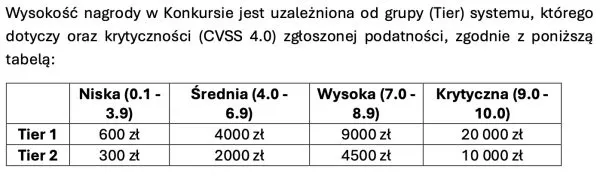
Poland Launches National Bug Bounty With 1 Million Zloty Pool