Chrome on iPhone is still Safari underneath, Mozilla and Google say
Almost three years after the EU ordered Apple to allow other browser engines on iPhone, none has launched. Mozilla has now joined a complaint, and Google agrees.
 SUMO· the number puzzle
 Dialo· learn languages by speaking
 ediviewer· read EDI files like documents
 giftdetect· the right gift in minutes
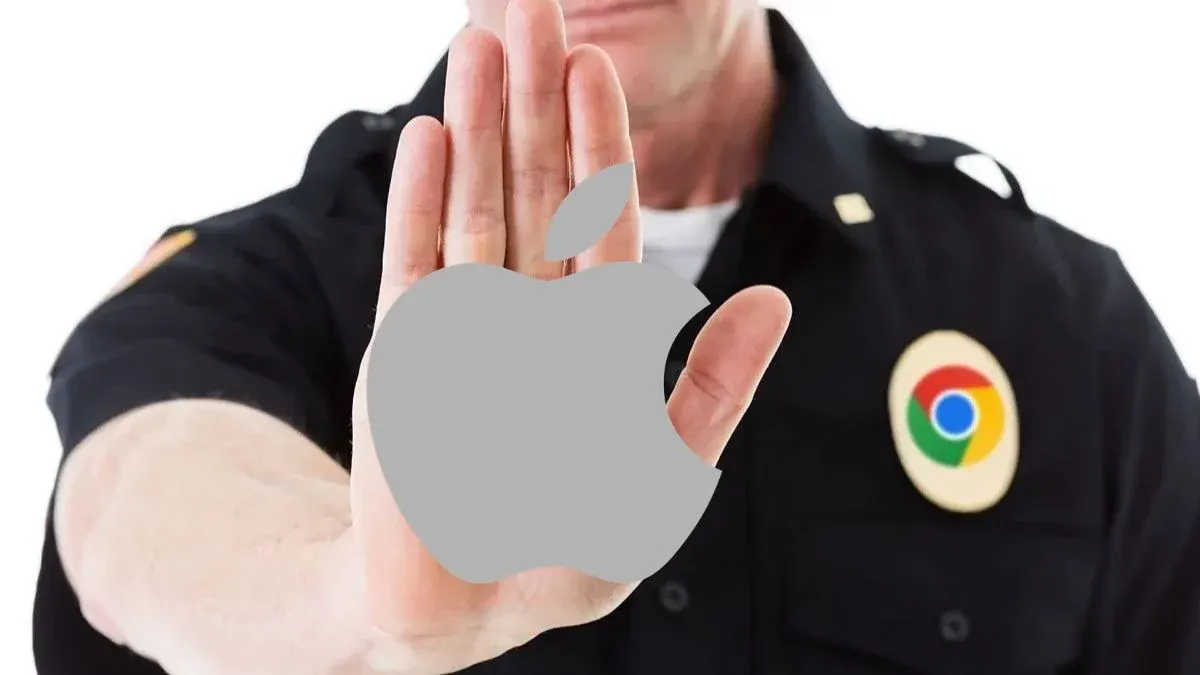
If you use Chrome on an iPhone, you are really using Safari with a different logo. Mozilla and Google now say that, in the EU at least, the rules meant to change this have done almost nothing.
Mozilla has joined a coalition of 55,000 organisations and individuals asking the European Commission to force Apple to change its policy on third-party browser engines. The engine is the core part of a browser that actually draws web pages.
Why is Chrome on iPhone really Safari?
For years, every iPhone browser had to run on WebKit, the engine Apple built for Safari. Chrome, Edge, Firefox and Opera all worked the same way underneath, which is also why they behave differently from their Android versions, which use other engines.
In 2024, Apple introduced a policy for EU users that allows alternative engines. On paper, a browser maker can now bring its own technology.
What is the problem with Apple's EU rules?
According to the coalition, no developer has managed to move users to a browser built on anything other than WebKit. Mozilla's argument is practical. Alternative engines are only allowed in the EU, not worldwide. So Mozilla could not simply swap WebKit for its own Gecko engine inside the existing global Firefox app. It would have to make a second Firefox, and EU users would have to download it and move their data over.
Not everyone will bother. Firefox fans tend to care about privacy and independence from Google, but moving millions of people would still be a slog.
Google's Chrome for Developers team posted on X: "We agree with @mozilla. Almost 3 years after the EU mandated alternative browser engines on iOS, none have launched due to continued Apple restrictions." It added that forcing browser makers to ship separate apps and win users back is a choice on paper, not in practice.
Google did not sign the open letter to the Commission, though. It built an experimental iOS browser with its Blink engine but never released it officially, apparently because a single-region engine change does not make sense.
Apps worth a look
SUMO: the number puzzleTap the right tiles, add them up, hit the target. Easy to learn, hard to master. Free, for all ages.
Dialo: learn languages by speakingTalk to an AI conversation partner; every sentence comes back corrected and explained in your language. 9 languages, A1 to C2.
ediviewer: read EDI files like documentsOpen EDIFACT and X12 messages, see every segment explained, convert to JSON/XML, export PDF and Excel. Runs locally, no upload.
giftdetect: the right gift in minutesPick who it is for, the occasion and their personality. The search engine reads product descriptions from local shops and ranks what fits. Free, no sign-up.
More from this day
See all →
Fold2Unfold: foldable phone trick hides your PIN from onlookers
WhatsApp scheduled messages: send up to 14 days later

Meta Muse blocked on Amazon: talks to let the AI agent buy again

Zadzim meteorite: iron rock hit air at 47,000 km/h and survived
More in: Software
See all →
Windows 11 26H2 uses less RAM: Microsoft trims over 860 MB
NYT tells freelancers not to use Photoshop 2027 over hidden AI
Kagi Mail: the Google search rival now offers email, at $25