Chernobyl fungus melanin inspires material that breaks down nerve agents
Fungi found growing inside Chernobyl's sarcophagus in 1997 have inspired a melanin-based material that traps and destroys nerve agents and pesticides.
 SUMO· the number puzzle
 Dialo· learn languages by speaking
 ediviewer· read EDI files like documents
 giftdetect· the right gift in minutes
Nearly 30 years ago, researchers found life growing on the walls of a wrecked nuclear reactor. Now the pigment that protected it is the starting point for a material that can neutralise nerve agents and pesticides.
In 1997, scientists examining the inside of the Chernobyl sarcophagus found a small biological ecosystem on the walls of Unit 4. They identified 37 species of fungi from 19 genera, including Cladosporium sphaerospermum and Penicillium hirsutum. Life in a place like that is odd enough on its own.
What is the Chernobyl fungus melanin?
Samples showed that a dark pigment acted as a shield: melanin. The Chernobyl fungi make a type called allomelanin. Unlike human eumelanin, it has no nitrogen and has a naturally microporous structure, so it behaves like a molecular sponge.
In 2021, a team learned to make allomelanin in the lab, with an internal surface of 860 square metres per gram. Coated onto fabric, it blocked substances that mimic nerve agents. But trapping a toxin is only half the job, because the material was still holding on to something potentially deadly.
How does it destroy nerve agents?
The new work turns the sponge into an active catalyst. Researchers combined synthetic allomelanin with zirconium clusters, a metal that degrades chemical agents. The micropores catch the toxic molecules, and the zirconium nodes break their chemical bonds through hydrolysis, leaving less dangerous by-products.
The most obvious use is protection against chemical weapons such as sarin, for example in masks or uniforms. The everyday impact may be on farms, though. Organophosphates remain the basis of many industrial pesticides that contaminate soil and groundwater.
A cheap, stable, reusable material that breaks these compounds down without extreme conditions could allow water filtration systems far more effective than traditional activated carbon.
Apps worth a look
SUMO: the number puzzleTap the right tiles, add them up, hit the target. Easy to learn, hard to master. Free, for all ages.
Dialo: learn languages by speakingTalk to an AI conversation partner; every sentence comes back corrected and explained in your language. 9 languages, A1 to C2.
ediviewer: read EDI files like documentsOpen EDIFACT and X12 messages, see every segment explained, convert to JSON/XML, export PDF and Excel. Runs locally, no upload.
giftdetect: the right gift in minutesPick who it is for, the occasion and their personality. The search engine reads product descriptions from local shops and ranks what fits. Free, no sign-up.
More from this day
See all →
BADBOX 3.0: infected Android TV boxes fired 40 billion fake ad requests a day
Windows 11 webcam zoom missing after update: users report bug
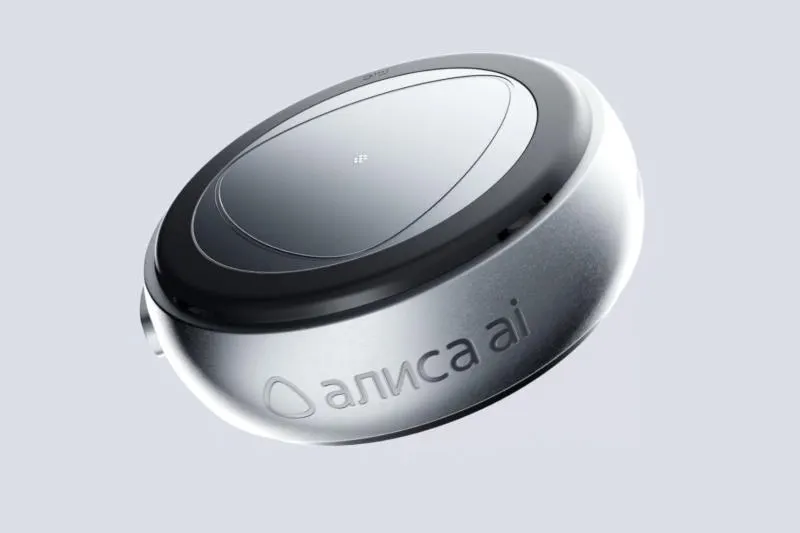
Yandex Pin: an AI clip-on that listens and sums up your day