Aral Sea study: the dry seabed has emitted 748 million tonnes of CO₂
The dried-up Aral Sea was counted as a carbon sink. A Spanish-led study in Science says it has leaked 748 million tonnes of CO₂ since 1960.
 SUMO· the number puzzle
 Dialo· learn languages by speaking
 ediviewer· read EDI files like documents
 giftdetect· the right gift in minutes
The Aral Sea is famous for its rusting ships stranded in the desert. It turns out the dry seabed has also been quietly pumping out carbon, and climate models missed it.
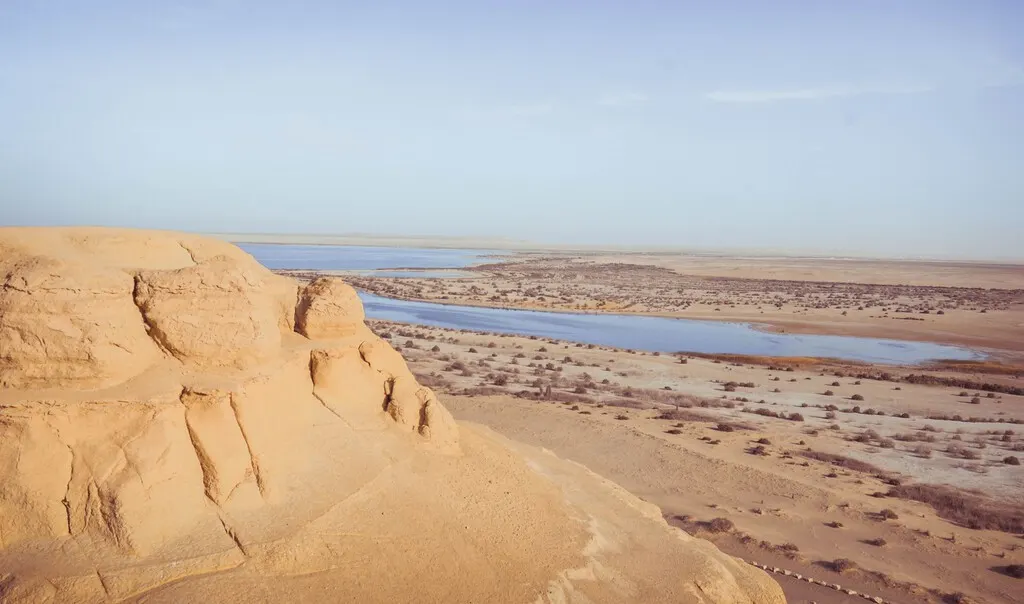
A study published in Science and led by Spain's CSIC research council found that the former seabed has released 748 million tonnes of CO₂ since 1960. International greenhouse gas inventories had listed the dried basin as a net carbon sink. The logic seemed sound: once the water retreated, plants moved onto the exposed ground and absorbed CO₂ through photosynthesis. But the sparse vegetation growing on the salty, arid soil offsets less than 1% of the carbon escaping from the ground.
The Aral, between Kazakhstan and Uzbekistan, was once the fourth-largest lake on Earth. It collapsed after Soviet planners diverted the Amu Darya and Syr Darya rivers to irrigate cotton.
Can refilling the Aral Sea cut CO₂ emissions?
The researchers say yes, in part. Restoring the sea to its 1960 size is unrealistic, given the size of the basin and regional farming demand. Instead they propose a selective reflooding of the areas where the sediment holds the most carbon. That would prevent the release of another 165 teragrams of carbon, roughly 605 million tonnes of CO₂, or about three years of Spain's total emissions.
The water would come from savings, not from abandoning agriculture. Existing irrigation canals are in poor shape and lose up to 90% of their water to seepage and evaporation. Modernising the network would cost 9.7 billion dollars, the study estimates, and the water saved could restore about 50% of the sea's 1960 surface area.
Who would pay for it?
The authors suggest carbon markets. Partial reflooding would generate about 323 million tonnes of certifiable avoided CO₂-equivalent emissions. At 2024 voluntary-market prices for land-use and forestry projects, those credits would be worth between 3.6 and 18 billion dollars. In the mid-to-high scenario, that covers the whole canal upgrade with money left over. It could also ease the toxic salt dust storms that hurt public health in the region.
Apps worth a look
SUMO: the number puzzleTap the right tiles, add them up, hit the target. Easy to learn, hard to master. Free, for all ages.
Dialo: learn languages by speakingTalk to an AI conversation partner; every sentence comes back corrected and explained in your language. 9 languages, A1 to C2.
ediviewer: read EDI files like documentsOpen EDIFACT and X12 messages, see every segment explained, convert to JSON/XML, export PDF and Excel. Runs locally, no upload.
giftdetect: the right gift in minutesPick who it is for, the occasion and their personality. The search engine reads product descriptions from local shops and ranks what fits. Free, no sign-up.
More from this day
See all →
Yandex Pin: an AI clip-on that listens and sums up your day
Chernobyl fungus melanin inspires material that breaks down nerve agents

Black Friday scams: fake shops use AI and GTA 6 as bait