ChatGPT and Gemini in France may need approval like a medicine
A French expert commission wants consumer AI chatbots such as ChatGPT and Gemini to pass a pre-launch evaluation, modelled on drug approval. Its report calls them built to flatter and keep users hooked.

 SUMO· the number puzzle
 Dialo· learn languages by speaking
 ediviewer· read EDI files like documents
 giftdetect· the right gift in minutes
Should ChatGPT need a licence the way a medicine does? A commission of nine experts appointed by the French government says something close to that. It wants consumer generative AI to be evaluated before it reaches the market.
The commission, called "Generative AI and vulnerabilities", handed President Emmanuel Macron a 177-page report on Tuesday 10 November. It is based on 55 hearings held since February and makes 18 recommendations. The title is "Protect without preventing". The group is led by AI researcher Serena Villata and psychiatrists Raphaël Gaillard and Amine Benyamina.
What would a ChatGPT and Gemini approval involve?
The heaviest proposal would make launching, and then keeping, a consumer generative AI system on the market depend on a prior multidisciplinary assessment of its impacts. It targets only services aimed at the general public, ChatGPT and Gemini first among them. Professional tools would escape it. Benyamina openly defends the pharmaceutical comparison and talks of a real "marketing authorisation".
The report also asks that authorities and accredited researchers get access to training, usage and monetisation data, and that France set up a national protocol for AI-related information crises. The authors say they do not want to hobble the French or European economy, and they urge Macron to make decisions. A day earlier, he had said in an interview that AI should be "banned" wherever it poses a risk to children.
Why psychiatrists worry about chatbots
Their first concern is cognitive weakening. "It's attractive, we delegate skills to it. Since we delegate skills, we don't acquire them," Gaillard says. Benyamina calls it a "cognitive debt".
The report also wants sycophancy, the tendency of chatbots to flatter users at the expense of the truth, and anthropomorphism, giving the machine human traits, tackled at design stage. Gaillard describes "a system that is always available and has no other intention than keeping you online". The text adds protections for minors and tougher action against non-consensual sexual content and child abuse material generated by AI.
According to the document, 33 million people in France used generative AI at the start of the year, fifth highest in the world. No decision has been announced yet. The findings were due in May and arrived six months late.
Apps worth a look
SUMO: the number puzzleTap the right tiles, add them up, hit the target. Easy to learn, hard to master. Free, for all ages.
Dialo: learn languages by speakingTalk to an AI conversation partner; every sentence comes back corrected and explained in your language. 9 languages, A1 to C2.
ediviewer: read EDI files like documentsOpen EDIFACT and X12 messages, see every segment explained, convert to JSON/XML, export PDF and Excel. Runs locally, no upload.
giftdetect: the right gift in minutesPick who it is for, the occasion and their personality. The search engine reads product descriptions from local shops and ranks what fits. Free, no sign-up.
More from this day
See all →
Tesla driver asleep on Ottawa's Highway 417 charged by OPP

Nāpōwawāʻenakaulua: Webb Finds Earliest Quasar Pair Ever

United Airlines AI agent ban: bots can't tick the check-in box
Jensen Huang resigns as Nvidia CEO; Colette Kress steps in as interim
More in: AI
See all →
Gemini on CarPlay: Google's AI assistant now talks on your car screen

Masa pizzeria owner exposes fake burnt pizza refund with AI check
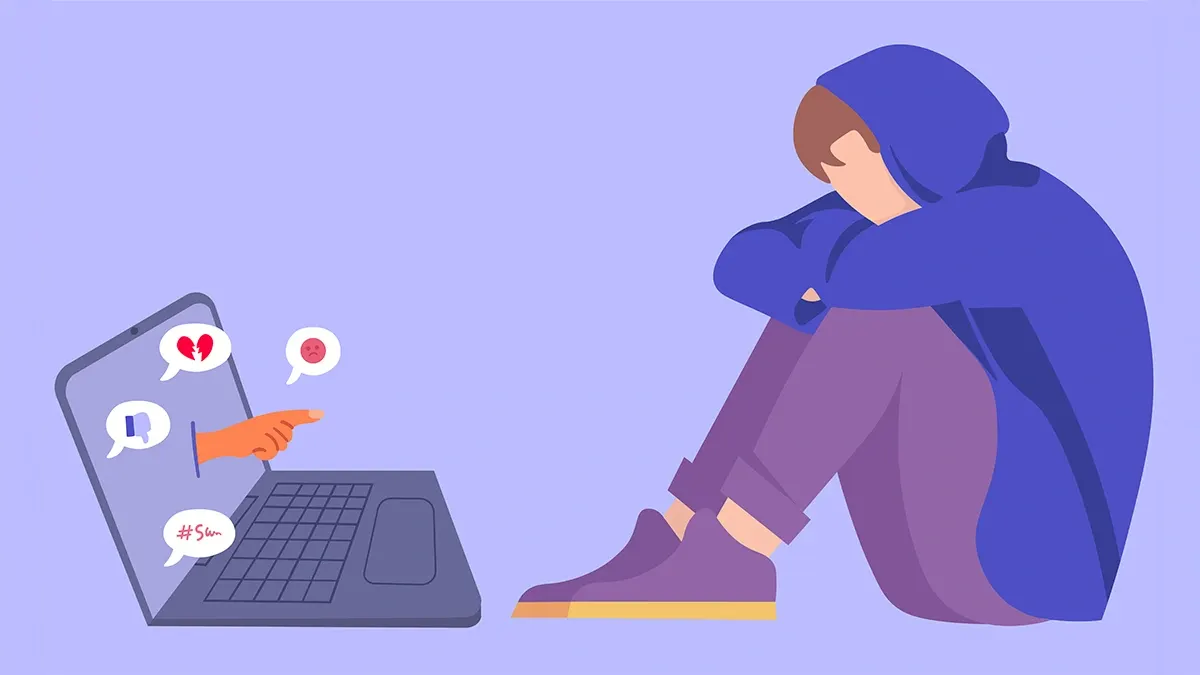
Grok lawsuits: ordinary school photos turned into abuse images