Brain implant for ALS patients now decodes speech with 94% clarity
A UC Davis team says its brain implant speech system now makes 94% of words understandable. One patient, a former singer, even sang a scale.
 SUMO· the number puzzle
 Dialo· learn languages by speaking
 ediviewer· read EDI files like documents
 giftdetect· the right gift in minutes
A woman who lost her voice to ALS has sung a musical scale again, and cried with joy afterwards. She is one of two patients in a brain implant speech study from the University of California, Davis, whose results are due to be presented next week.
A year earlier, in 2025, the same group reported a system that turned brain signals into expressive speech with a delay of just 10 milliseconds. The catch: listeners could correctly pick out only a little over half of the words. By reanalysing the same dataset and improving the algorithms, the researchers raised intelligibility to 94%. Experts call that a clinically meaningful gain, not just a flashy machine learning demo.
Who took part in the brain implant speech study?
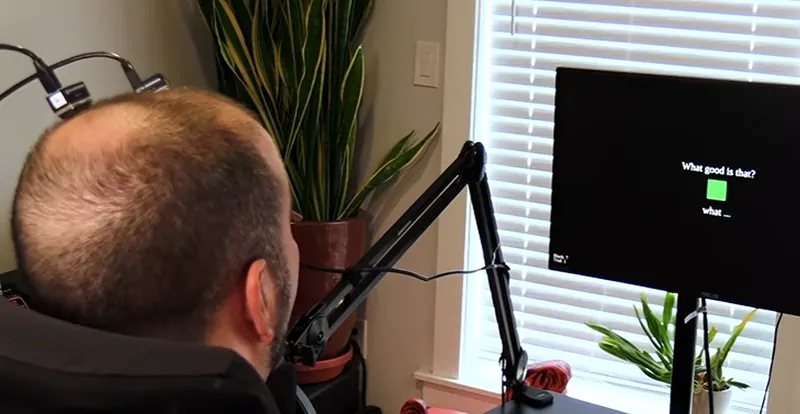
Two people with amyotrophic lateral sclerosis (ALS), a disease that destroys the nerves controlling muscles, including those used for speaking. Casey Harrell has 256 electrodes in his brain. Over two years he has "spoken" almost 2 million words through the system, talking with his family, writing letters and working online on a laptop.
The second participant is a 58-year-old former singer with 384 electrodes. She can convey the melody of speech by controlling pitch, for example the rise of a question or a happy tone, and she managed to sing a scale.
What are the limits of the ALS speech implant?
Mariska Vansteensel, a brain-computer interface researcher at UMC Utrecht in the Netherlands, notes that the tests ran on previously recorded data. Whether it works as well in real time, and for people with different degrees of speech loss, still has to be shown.
She also points out that practical systems need to be fully implantable. Today's versions require the user to be plugged into a computer through connectors fixed in the head.
The research continues with more patients and with the aim of making the systems fully self-contained. Neuralink and Paradromics are building and testing wireless systems, but commercial use is not close yet.
Apps worth a look
SUMO: the number puzzleTap the right tiles, add them up, hit the target. Easy to learn, hard to master. Free, for all ages.
Dialo: learn languages by speakingTalk to an AI conversation partner; every sentence comes back corrected and explained in your language. 9 languages, A1 to C2.
ediviewer: read EDI files like documentsOpen EDIFACT and X12 messages, see every segment explained, convert to JSON/XML, export PDF and Excel. Runs locally, no upload.
giftdetect: the right gift in minutesPick who it is for, the occasion and their personality. The search engine reads product descriptions from local shops and ranks what fits. Free, no sign-up.
More from this day
See all →
Comet 220P/McNaught suddenly got 1,000 times brighter. Here's why

Coral Hart used AI to write 370 books in 20 months
WhatsApp Zaps: self-deleting photos and videos for any chat

Green SM taxis: Karnataka halts new registrations, eyes mandatory meters
More in: Science
See all →
Coriscada wind farm: 4 turbines replace 40 and make 78% more power
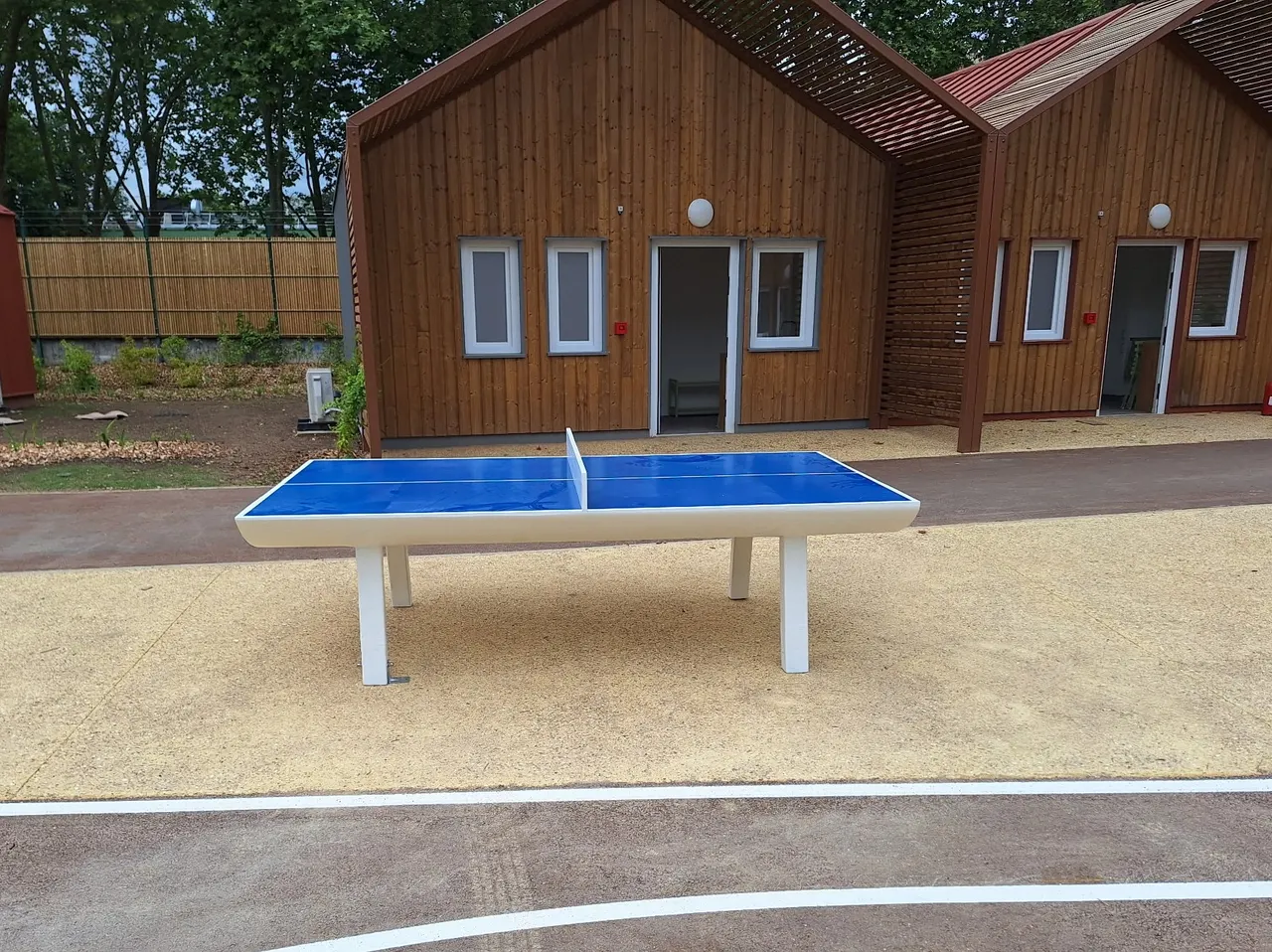
Wind turbine blade recycling: a French startup makes ping-pong tables

Drones that carry objects by weaving rope around them midair