Seven Billionaire-Led Startups Took Over Half of US VC in 2026
Seven companies founded or led by billionaires, including OpenAI, Anthropic and xAI, raised more than $260 billion, just over half of US seed-to-growth funding this year.

 SUMO· the number puzzle
 Dialo· learn languages by speaking
 ediviewer· read EDI files like documents
 giftdetect· the right gift in minutes
More than half of all seed- through growth-stage venture capital raised in the U.S. so far in 2026 has gone to just seven companies founded or led by men who are already billionaires. According to Crunchbase data, OpenAI, Anthropic, xAI (now part of SpaceX), Anduril Industries, Databricks, Prometheus and The Boring Co. together raised more than $260 billion in equity funding in the first 10 months of the year, just over 50% of U.S. seed and venture investment in that period.
Two of the world's richest men
The best-known names are Elon Musk and Jeff Bezos, the world's wealthiest men. Musk founded xAI and The Boring Co. and co-founded OpenAI, though he has no known equity stake in the latter. Bezos launched the physical AI startup Prometheus in 2025, and it raised $12 billion earlier this year. His net worth is calculated at more than $350 billion.
The two highest-valued startups, OpenAI and the soon-to-be-public Anthropic, also have billionaire leaders with different paths to wealth. Sam Altman built his fortune mainly through investments in Y Combinator startups such as Stripe and Reddit, and has said he holds no OpenAI equity beyond a sliver from an old YC round. Greg Brockman holds a larger stake, reportedly valued around $30 billion earlier this year. At Anthropic, all seven co-founders hold similar-sized stakes worth billions each, including CEO Dario Amodei.
A changing profile of the funded founder
Databricks CEO Ali Ghodsi has a reported net worth of $7.6 billion, with the company valued at around $190 billion after an August financing. At Anduril, valued at $61 billion, Brian Schimpf is estimated at $1.5 billion and Palmer Luckey, who sold Oculus to Meta for $2 billion in 2014, at $5.9 billion. Other billionaire founders behind large rounds this year include Marc Lore of Wonder, Brett Adcock of Figure and Edwin Chen of Surge AI.
Historically, such founders rarely raised venture rounds. The term "unicorn" only entered the lexicon in 2013, and founders usually became billionaires after an IPO or a high-priced sale. Capital still reaches first-time founders and serial entrepreneurs, but most venture funding now goes to companies whose valuations already make their stakeholders billionaires, or to founders who were billionaires before they started.
Apps worth a look
SUMO: the number puzzleTap the right tiles, add them up, hit the target. Easy to learn, hard to master. Free, for all ages.
Dialo: learn languages by speakingTalk to an AI conversation partner; every sentence comes back corrected and explained in your language. 9 languages, A1 to C2.
ediviewer: read EDI files like documentsOpen EDIFACT and X12 messages, see every segment explained, convert to JSON/XML, export PDF and Excel. Runs locally, no upload.
giftdetect: the right gift in minutesPick who it is for, the occasion and their personality. The search engine reads product descriptions from local shops and ranks what fits. Free, no sign-up.
More from this day
See all →
Solo Leveling: Arise Overdrive Launches on PS5 and Xbox
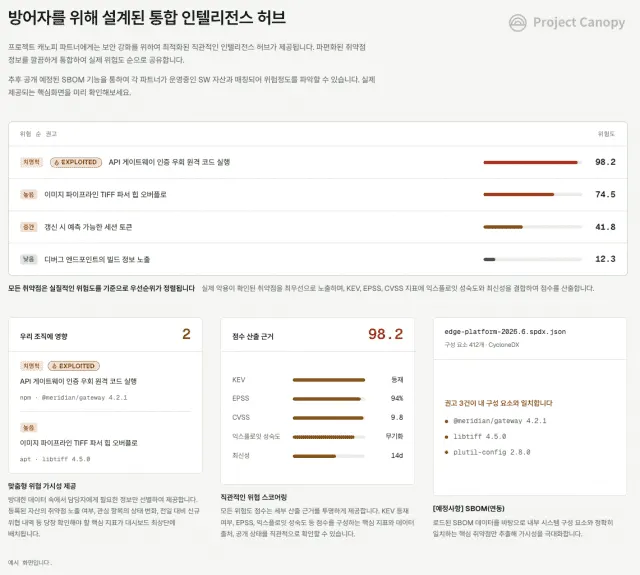
Project Canopy Launches Vulnerability Intelligence Hub for Open Source

Apple Intelligence Arrives in China With Alibaba's Qwen AI

Denny's Japan App Hit by Unauthorized Access, Data May Leak
More in: Startups
See all →Helium Health wins $2.5 million Google.org grant for maternal AI