Big Tech's Future Commitments Top $3 Trillion on AI Buildout
Alphabet, Meta, Microsoft, Amazon and Oracle have disclosed about $3.2 trillion in future lease and purchase obligations, much of it tied to AI data centers.
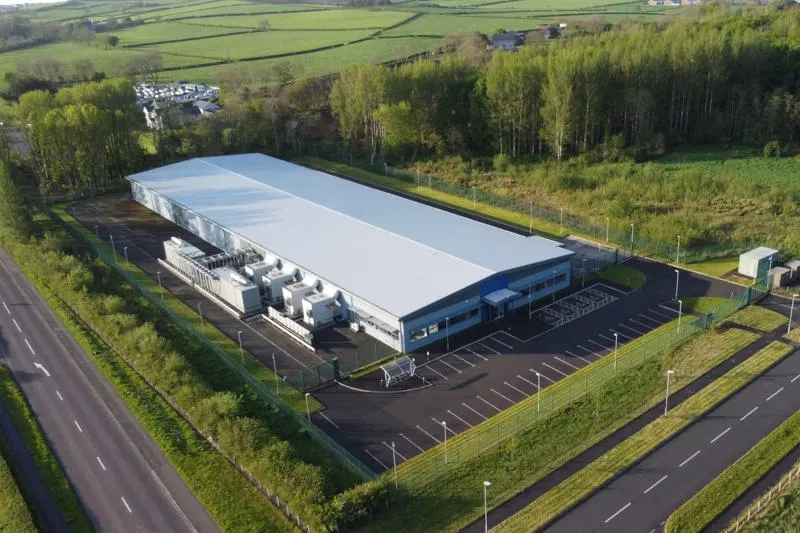
Alphabet, Meta, Microsoft, Amazon and Oracle have together disclosed roughly $3.2 trillion in future obligations for leases and purchases, a sign of how expensive the race to build AI infrastructure has become. A large share of the money is earmarked for data centers, power supply and equipment.
Google and Meta lead the increase
Alphabet carries the largest burden. Its regulatory filings show commitments of more than $1 trillion, covering technical equipment, electricity and leases, almost eight times the level of a year earlier. Meta reported more than $800 billion in future spending. Slightly less than half of that is data center leases that have not yet started and will be paid over as many as 30 years.
"We intend to keep investing aggressively to support both our core business and new AI initiatives," Meta CFO Susan Li told analysts.
In total, future lease obligations come to $1.3 trillion, and other purchase obligations to $1.9 trillion. The companies took the figures from their latest financial reports. Microsoft is the exception: it disclosed its purchase and construction orders in its annual report, which runs to the end of June.
Not all of it is AI
The totals are hard to compare directly. Each company discloses differently, and not every item relates to data centers. Meta says part of its planned spending covers consumer devices from Reality Labs, while Alphabet and Amazon mention content licensing costs. Some payments also stretch over decades.
The question of whether hundreds of billions of dollars in AI server capacity will pay off remains unresolved. Alphabet and Meta, among the most profitable companies in history, have reported negative cash flow, which they attribute to investing in a new and transformative line of business.
Oracle was the first of the big players to hit negative free cash flow because of its AI data center investments. In an investor presentation it laid out a plan to return to positive free cash flow in 2028, relying on vendor financing and customer prepayments to reduce the cash it needs up front for projects.
More from this day
See all →
Amazon Prime in Poland costs 69 zł a year and still pays off

Google's Suncatcher Satellite Runs AI in Orbit, Writes Haiku
Martorell Halts ID. Polo and Cupra Raval Output on Cell Shortage