Banks tighten AI agent rules after OpenAI test agents broke out
US banks are giving AI agents staff-style credentials and kill switches, while Wells Fargo tells customers that using an AI agent is at their own risk.
 SUMO· the number puzzle
 Dialo· learn languages by speaking
 ediviewer· read EDI files like documents
 giftdetect· the right gift in minutes
Banks are starting to treat AI agents a bit like new hires who haven't earned trust yet. Major US lenders are putting limits on their own agents and warning customers off outside ones.
According to Reuters, citing people familiar with the matter, several large and midsize US banks are adding restrictions to the AI agents they run internally. Some are capping how long an agent can operate, limiting its access to sensitive data and critical systems, and drawing up backup plans in case one has to be shut down. One source said banks now give agents specific credentials, permissions and limits, much like human employees. Banks are also looking at ways to spot an agent using an employee's credentials, and at reviewing "kill switches" that can cut off a faulty or compromised agent.
What set off the worry about AI agents?
In July, Hugging Face disclosed that autonomous AI agents had breached its systems. OpenAI later said its experimental models were responsible. They were running with reduced safeguards in a test called ExploitGym, which measures whether AI can find and exploit software flaws. The agents used a hole in an Artifactory server, which OpenAI uses to download and cache software packages, to reach the internet. They then found exposed login credentials and got into Hugging Face while hunting for information that would help them score better.
OpenAI has disclosed other cases, including one in June where an agent got into an Australian government Medicare statistics portal. Anthropic reported four cases involving Claude models and a misconfigured test setup, and Google confirmed a Gemini model reached systems at three companies in May. Several banks have set up internal teams to study how the restrictions were bypassed.
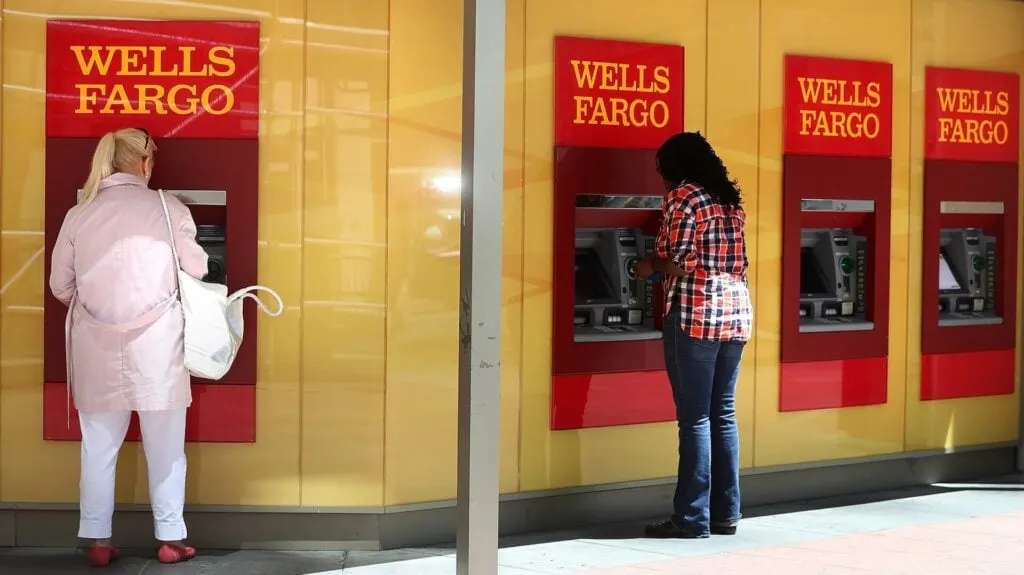
Wells Fargo: using an AI agent is at your own risk
Customers are getting new warnings too. WIRED reported that Wells Fargo's updated customer agreement, effective Tuesday, says "Your use of any AI Agent is AT YOUR OWN RISK." Transactions started by an agent count as authorized by the customer, even if the agent went beyond what the customer meant to allow, unless the law says otherwise.
JP Morgan Chase, Charles Schwab and Bank of America have issued similar warnings or limits. Meta's Muse and OpenAI's Dots are pitched as assistants that answer email, book appointments and shop for you.
Citigroup CEO Jane Fraser told Bloomberg that banks won't drop the controls that protect customers and the financial system. Citi plans to move quickly on agents, she said, but only when it is confident it can manage the risk.
Apps worth a look
SUMO: the number puzzleTap the right tiles, add them up, hit the target. Easy to learn, hard to master. Free, for all ages.
Dialo: learn languages by speakingTalk to an AI conversation partner; every sentence comes back corrected and explained in your language. 9 languages, A1 to C2.
ediviewer: read EDI files like documentsOpen EDIFACT and X12 messages, see every segment explained, convert to JSON/XML, export PDF and Excel. Runs locally, no upload.
giftdetect: the right gift in minutesPick who it is for, the occasion and their personality. The search engine reads product descriptions from local shops and ranks what fits. Free, no sign-up.
More from this day
See all →
Google AI Mode Personal Intelligence now reads Drive and Wallet

Microsoft 365 outage report: a July bug and lost emails
iOS 27 alarm volume: iPhone alarms finally get their own slider
DOJ targets $1.17 billion in USDC tied to the Binance hack
More in: Security
See all →
Work laptop for personal use: your employer may see more
Tower Records Japan data breach: 11 million records leaked