Asahi Linux Switches to Copyleft Licensing to Curb Code Copying
Asahi Linux is placing its code under a copyleft license, citing projects that reuse its work without credit. The team did not name any of them.

 SUMO· the number puzzle
 Dialo· learn languages by speaking
 ediviewer· read EDI files like documents
 giftdetect· the right gift in minutes
Asahi Linux, the project that brings Linux to Apple Silicon Macs, is changing its licensing and will release its code under a copyleft license. The team says the move is a response to projects that take over its work without stating where the code came from.
Asahi did not name the projects it has in mind. The announcement frames the change as a matter of principle rather than a dispute with a specific fork.
What copyleft means
Unlike permissive licenses, which allow code to be reused with few conditions, copyleft licenses require that derivative works be passed on under the same license terms. Anyone who builds on the code must keep it open and follow the same rules. In practice, that makes it harder to absorb the work into other projects quietly or to take it private.
Why it matters
Asahi Linux depends on extensive reverse engineering of Apple hardware, and its results are useful well beyond the project itself. Other distributions and forks can benefit from that groundwork. By tightening the license, the team wants to ensure that reuse comes with clear attribution and that downstream changes remain available to the community.
For users, nothing changes in how the software is installed or used. Developers and downstream projects that incorporate Asahi code, however, will need to check whether their own licensing is compatible with the new terms.
Apps worth a look
SUMO: the number puzzleTap the right tiles, add them up, hit the target. Easy to learn, hard to master. Free, for all ages.
Dialo: learn languages by speakingTalk to an AI conversation partner; every sentence comes back corrected and explained in your language. 9 languages, A1 to C2.
ediviewer: read EDI files like documentsOpen EDIFACT and X12 messages, see every segment explained, convert to JSON/XML, export PDF and Excel. Runs locally, no upload.
giftdetect: the right gift in minutesPick who it is for, the occasion and their personality. The search engine reads product descriptions from local shops and ranks what fits. Free, no sign-up.
More from this day
See all →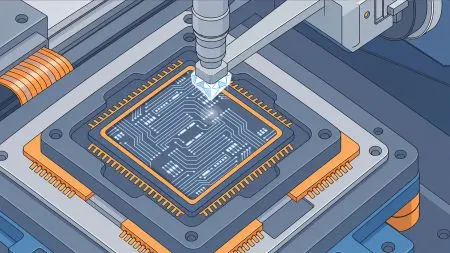
QuantumDiamonds: Munich Start-up Uses Diamond Sensors to Find Chip Defects

Parloa Deepens OpenAI Partnership With Early Model Access
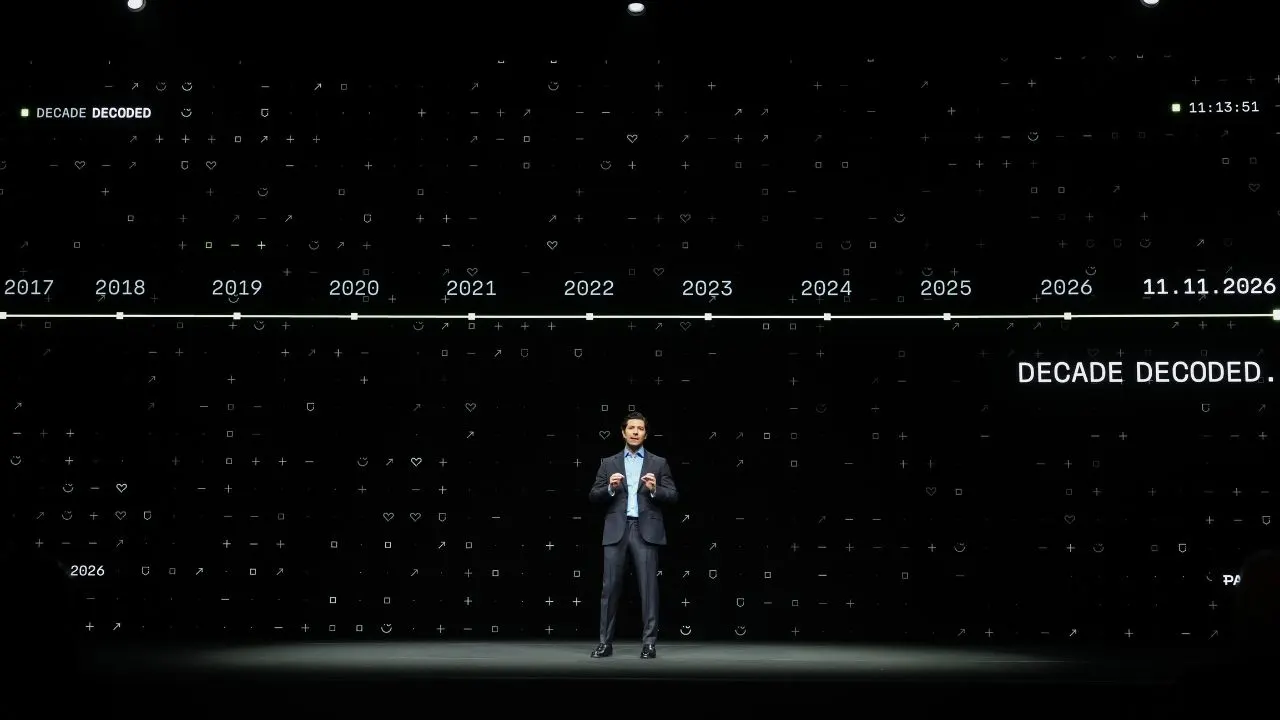
Paribu Unveils Intelligence AI and Free Terminal at 10-Year Event
Meta Launches Muse Ember, Its Smallest AI Model, for Agents
More in: Software
See all →
WhatsApp CEO Kunal Shah Outlines Simpler App With More AI
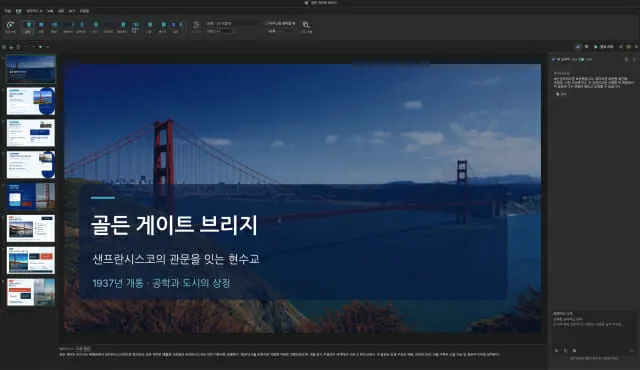
Linkbricks Launches VORA AI DOCS, a Free Office Suite for HWP

Doom Runs Inside a Telegram Message With 1,024-Byte Frames
