AI rapper NOAH's "Skateboard" clips pass 7 million views in a week
An AI rapper called NOAH cloned the voice and flow of rapper Kim Ha-on. Fan clips of the track hit 7 million views in a week, though it has no official release.
 SUMO· the number puzzle
 Dialo· learn languages by speaking
 ediviewer· read EDI files like documents
 giftdetect· the right gift in minutes
An AI rapper named NOAH has a viral hit that its makers never released. Fan-made clips of "Skateboard", a track that copies the voice and rap style of Korean rapper Kim Ha-on, passed 7 million combined views on social media as of 27 November, with more than 120,000 likes.
What is AI rapper NOAH?
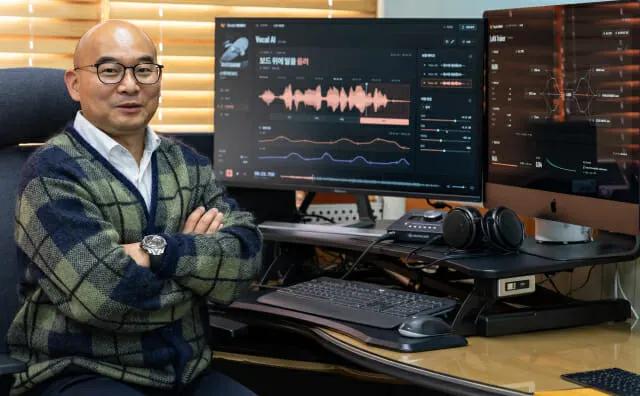
NOAH is a humanoid robot artist. The songs it performs were made by a research team led by Ahn Chang-wook, a professor in the AI department at the Gwangju Institute of Science and Technology (GIST), together with Curistic, an AI music company. The track debuted on 22 November in an SBS documentary, "AI, You Who Resemble Me", part of the series "My Stranger". NOAH performed four songs: "We'll Be Back", "Skateboard", "Who's Next?" and a self-introduction song, "N.O.A.H."
According to the team, the lyrics came from another party, while they handled the composition and vocals. There has been no official release since the broadcast. The team says fans uploaded the broadcast audio as Shorts and Reels, and that is what spread it.
How does the AI rap work?
The team used a program called Studio NOAH. It combines a composition engine the team designed itself, built on diffusion models (which create new output from random noise) and transformers (which learn patterns in data), with voice-cloning technology. It generates rhythm, melody and backing from the lyrics and style, while the vocals mimic Kim Ha-on's tone, pronunciation and stress. Training data included most of his solo releases, among them songs from his 2018 win on the show "High School Rapper".
Ahn says rap is a hard genre for AI, because lyrics must stay clear at high speed while stress and breathing follow complex beats. He says the track captures Kim's rhymes built on similar-sounding Korean and English words, his wordplay and his unusual rhythm.
What comes next
Ahn built Korea's first AI composer, EvoM, in 2016. He now wants to move AI music off the screen into what he calls music physical AI. His team is currently working on a robot that plays an instrument with ten fingers like a person. Curistic, which he founded in May, pursues the same idea.
Apps worth a look
SUMO: the number puzzleTap the right tiles, add them up, hit the target. Easy to learn, hard to master. Free, for all ages.
Dialo: learn languages by speakingTalk to an AI conversation partner; every sentence comes back corrected and explained in your language. 9 languages, A1 to C2.
ediviewer: read EDI files like documentsOpen EDIFACT and X12 messages, see every segment explained, convert to JSON/XML, export PDF and Excel. Runs locally, no upload.
giftdetect: the right gift in minutesPick who it is for, the occasion and their personality. The search engine reads product descriptions from local shops and ranks what fits. Free, no sign-up.
More from this day
See all →
Original iPhone stops working in France when 2G ends on 15 December

BADBOX 3.0: cheap Android TV boxes were infected before setup
Q-Dir and DesktopOK installers tampered with to spread a RAT