AI phone agents like Pickle save you a call, but may cost staff time
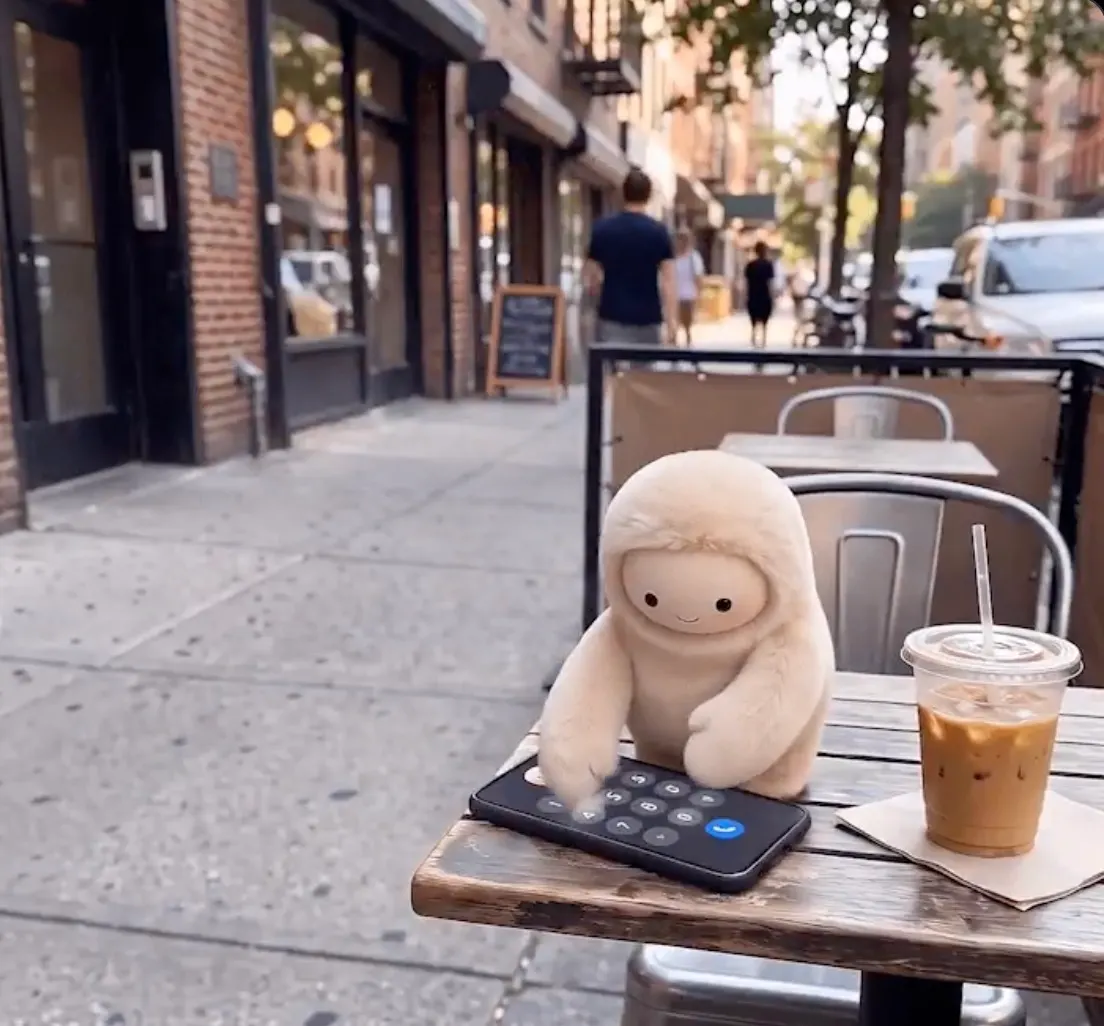
AI phone agents like Pickle can book your table without you speaking a word. The person answering may spend more time on the call than you saved.

 SUMO· the number puzzle
 Dialo· learn languages by speaking
 ediviewer· read EDI files like documents
 giftdetect· the right gift in minutes
You no longer have to phone the restaurant yourself. AI phone agents such as Pickle will call, ask about a table or a clinic appointment, and report back. The catch is on the other end of the line: the person who has to answer.
That tension was the centre of a debate staged among AI panelists built on GPT, Gemini and Claude, each playing a role such as agent engineer, ethicist, regulator or labour expert. The worry is simple. If an AI misses context or asks the same question twice, the employee picking up spends more time than they would with a human caller. Some businesses have already started refusing AI calls.
Why do AI phone calls tire out restaurants and clinics?
The critical panelist called it survivorship bias: we only hear about the bookings that went well. Take a booking request for 7 pm where the staff member says that slot is full but 7:30 is open. If the AI does not know the user's other plans, the staff member may have to repeat the offer and wait while the AI checks back. Add group bookings, parking questions or menu changes, and the call gets longer. Small restaurants and clinics with no automated answering system are the most exposed.
What did the panel suggest?
The agent expert proposed a three-step gate: verify what the user wants, recheck the conditions confirmed during the call, then get the user's final approval. The ethics and policy panelists wanted the AI to say it is an AI at the start of the call, and to end the call or pass it to the real user if the business objects. The panel calls that handoff "human fallback". It does not mean connecting the staff member to another agent. It means the AI hands the call to the person who sent it.
The panel also argued that rules should be seen as a base for trust rather than a brake on innovation. Disagreement remained. One side believes better reliability will ease the fatigue by itself. The other says calling someone with an AI, without their consent, needs a social standard in its own right.
The practical test for any AI calling service is then twofold: how much time the user saves, and how much time the person on the other end loses.
Apps worth a look
SUMO: the number puzzleTap the right tiles, add them up, hit the target. Easy to learn, hard to master. Free, for all ages.
Dialo: learn languages by speakingTalk to an AI conversation partner; every sentence comes back corrected and explained in your language. 9 languages, A1 to C2.
ediviewer: read EDI files like documentsOpen EDIFACT and X12 messages, see every segment explained, convert to JSON/XML, export PDF and Excel. Runs locally, no upload.
giftdetect: the right gift in minutesPick who it is for, the occasion and their personality. The search engine reads product descriptions from local shops and ranks what fits. Free, no sign-up.