AI's New Bottleneck Is Cheap Money as CoreWeave Debt Costs Soar
Investors are tightening the purse strings on AI infrastructure. CoreWeave, Nebius and Nscale are struggling to sell bonds, and borrowing costs are climbing fast.
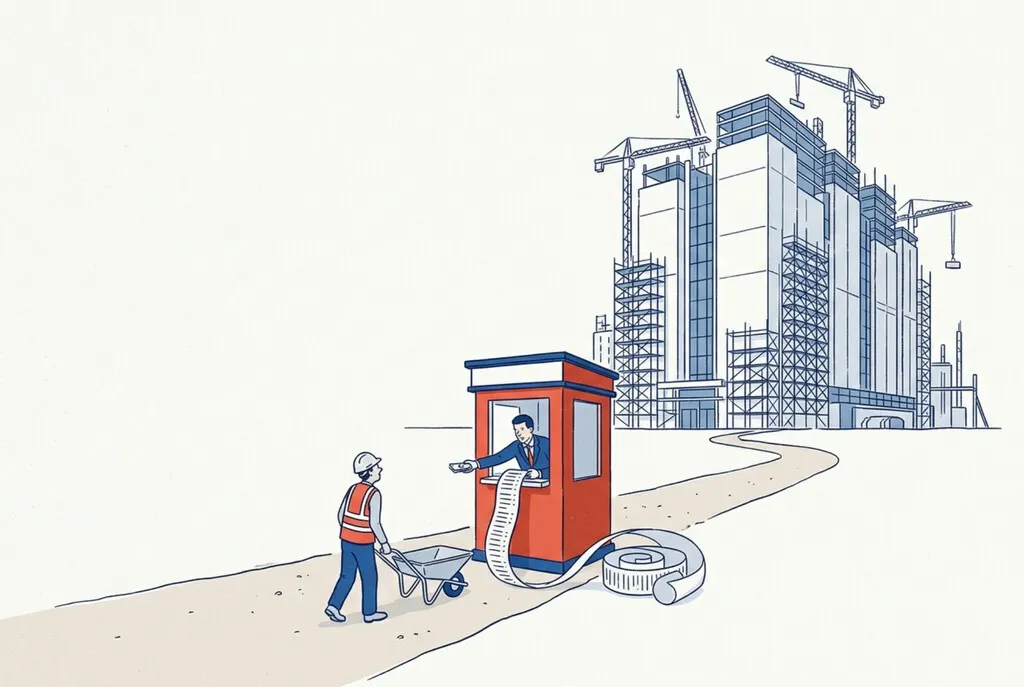
Cheap financing, not chips or electricity, is becoming the main brake on AI data center construction. Investors have grown far more demanding about lending to the sector, according to the Wall Street Journal, and the firms hit hardest are those that borrow to build data centers and rent out computing power: CoreWeave, Nebius and Nscale. For several weeks they have barely been able to sell bonds, one of their main funding routes.
How fast the terms have changed
Two cases show the shift. Six months ago, data center operator QTS was weighing a loan of about $800 million. It is now seeking almost the same amount, but the loan will cost it $4 million to $6 million more in interest per year.
CoreWeave sold debt early this year at a 9.75% interest rate. Anyone buying those bonds today demands a yield above 15%.
Nscale is already feeling the effect. It has pushed its IPO back to December because the parties that could finance its data center for Anthropic are asking for tougher terms.
Why lenders are wary
Investors fear that neighborhood protests could delay construction and that AI profits will take longer to arrive than promised. They also believe they already have too much money tied up in the sector.
Having a large customer is not enough. QTS built a data center for Microsoft, and the debt tied to that project has become more expensive since April, while Microsoft's own debt has barely moved. The market now distinguishes between lending to Microsoft and lending to whoever leases a building to Microsoft.
Broadcom CEO Hock Tan warned in October that money could become a bigger constraint than a shortage of chips or power.
Money is not gone, only cheap money
Capital has not dried up. Through September, AI companies had raised $466 billion in debt, more than four times the level a year earlier, according to Morgan Stanley. Chips also remain scarce: Tan believes the shortage may not ease until 2028 or 2029, while others point to 2030.
What is scarce is inexpensive capital, especially for companies that do not earn enough to fund construction themselves. The practical result is that new data centers are likely to take longer to arrive.
Apps worth a look
 SUMO: the number puzzle
Tap the right tiles, add them up, hit the target. Easy to learn, hard to master. Free, for all ages.
 Dialo: learn languages by speaking
Talk to an AI conversation partner; every sentence comes back corrected and explained in your language. 9 languages, A1 to C2.
 ediviewer: read EDI files like documents
Open EDIFACT and X12 messages, see every segment explained, convert to JSON/XML, export PDF and Excel. Runs locally, no upload.
More from this day
See all →
Anthropic Targets $3.5 Billion From Japanese Investors in IPO
EU Cyber Resilience Act Puts Cheap Wireless Mice Under Pressure

Anthropic expands Claude watermarking to AI text from Nov. 3