EU Cyber Resilience Act Puts Cheap Wireless Mice Under Pressure
From December 2027, the EU's Cyber Resilience Act will force makers of even the cheapest wireless mice to meet cybersecurity rules. Extra costs may hit budget models hardest.
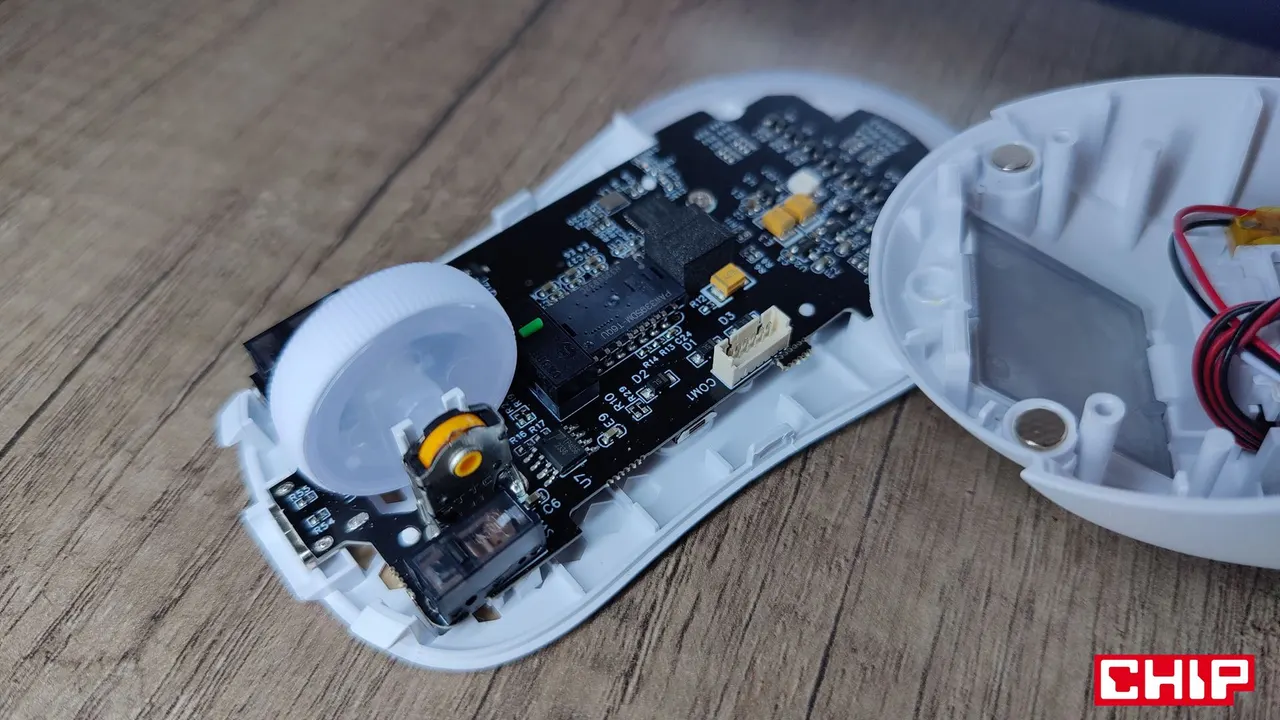
A wireless mouse costing around 40 zlotys may soon face cybersecurity and documentation requirements similar to those for far pricier hardware. The reason is the Cyber Resilience Act (CRA), EU Regulation 2024/2847, whose main obligations apply from 11 December 2027.
Even the simplest wireless mouse contains a controller, firmware and a radio module that talks to a USB receiver. The CRA covers a broad class of products with digital elements, so peripherals fall within scope. Wired devices are covered too, meaning a switch to USB cables does not remove the new duties.
What the rules actually require
The CRA does not mandate encryption of every radio link. It requires protecting the confidentiality and integrity of data, guarding against unauthorised access and limiting the risk of exploited vulnerabilities. Encryption is one way to get there, but the exact measures depend on a risk assessment.
The risk is real. In 2016 researchers at Bastille disclosed the MouseJack vulnerabilities, in which some wireless devices accepted forged commands that a computer read as keystrokes, from up to 100 metres away. Secure links already exist, for example Logitech's Logi Bolt.
Manufacturers must also document risks, handle reported vulnerabilities and provide security support, generally for at least five years unless a shorter expected product lifetime is justified. Rules on reporting serious incidents and actively exploited vulnerabilities have applied since 11 September 2026.
Costs, not encryption, are the real issue
Large makers can extend existing processes, but small firms selling cheap mice built on off-the-shelf controllers and subcontracted firmware may struggle. An ENISA survey of 194 organisations published in June 2026 found that 66% had heard of the CRA, yet 142 said they needed financial help to prepare. It was not limited to peripheral makers.
Older mice will not be pulled from shops after 11 December 2027. Units placed on the EU market earlier generally need not meet the new design requirements unless substantially modified, though reporting duties still apply to them. Newly placed units must comply even if the design is older.
The likely outcomes are higher prices, fewer ultra-cheap models or more interest in wired designs. Wireless mice are not going away, but the rules for designing and selling them are changing.
Apps worth a look
 SUMO: the number puzzle
Tap the right tiles, add them up, hit the target. Easy to learn, hard to master. Free, for all ages.
 Dialo: learn languages by speaking
Talk to an AI conversation partner; every sentence comes back corrected and explained in your language. 9 languages, A1 to C2.
 ediviewer: read EDI files like documents
Open EDIFACT and X12 messages, see every segment explained, convert to JSON/XML, export PDF and Excel. Runs locally, no upload.
More from this day
See all →
Fritzbox Update Support: How Long Your Router Gets FritzOS

SUSE to Cut One in Ten Jobs, Citing Automation and AI

Die Höhle der Löwen Season 20: Which Deals Actually Closed

Hypersonica Raises €100 Million Series B for European Missiles
More in: Security
See all →
Guardia Civil Buys €2.5M System to Remotely Access Phones

Amutable opens preview of Linux that proves its own state

Hacker Used Claude and DeepSeek to Breach 9 South Korean Banks