AI avatar YouTube channel gets 100 dislikes and 10 likes
A developer built a YouTube channel hosted by his own AI clone for about $1 a minute. Viewers called it creepy, and the first video got 100 dislikes.

 SUMO· the number puzzle
 Dialo· learn languages by speaking
 ediviewer· read EDI files like documents
 giftdetect· the right gift in minutes
A developer wanted a YouTube channel without ever filming himself, so he built an AI avatar of his own face and voice to host it. The tech worked. The audience did not warm to it: his first video collected 10 likes and 100 dislikes, with plenty of comments about the uncanny valley.
The author makes a mobile app for learning foreign words and wanted organic traffic from YouTube. The plan was a channel about memorisation methods and language science, with the occasional natural mention of his app. Filming, lighting and editing take time, so he tried to automate the lot.
How the AI avatar channel was made
He tested Hedra and King AI first, and the results were poor enough that he deleted a published Hedra video. The only acceptable output came from HeyGen's priciest model, Avatar 6, at roughly $1 per minute of video.
To fake a multi-camera studio, he shot photos of himself from several angles and used ChatGPT to turn them into scenes with the same generated background. Each became an avatar configuration in HeyGen. Claude Code wrote the script, split it into scenes, and chose camera angles, close-ups and infographics. ElevenLabs voiced every fragment with a clone of his own voice, made by reading a short text into a microphone.
Why did people react so badly?
He shared the result on X. Instead of talking about the automation, people said the face looked unnatural and unpleasant. The uncanny valley effect is that discomfort you feel when a synthetic person looks almost real, but small mismatches give it away. Blogger Vlad Ten linked the video in his Telegram channel, and dislikes piled up. The video reached a few thousand views. YouTube, oddly, kept recommending it because of the attention.
The author doesn't think this proves much. Everyone knew it was an avatar, because he said so, and they went looking for flaws. A viewer who finds the video through search might not notice. He also found HeyGen handled facial expressions better in English than in Russian, so he decided to retarget the channel at English speakers learning Spanish. His app supports that language pair.
He adds that he has since removed all the services he used, and that none of the mentions are advertising.
Apps worth a look
SUMO: the number puzzleTap the right tiles, add them up, hit the target. Easy to learn, hard to master. Free, for all ages.
Dialo: learn languages by speakingTalk to an AI conversation partner; every sentence comes back corrected and explained in your language. 9 languages, A1 to C2.
ediviewer: read EDI files like documentsOpen EDIFACT and X12 messages, see every segment explained, convert to JSON/XML, export PDF and Excel. Runs locally, no upload.
giftdetect: the right gift in minutesPick who it is for, the occasion and their personality. The search engine reads product descriptions from local shops and ranks what fits. Free, no sign-up.
More from this day
See all →
Timeweb Cloud outage: a routing restart took servers offline

Windows 11 telemetry flags Codex and Claude, even a renamed cmd.exe
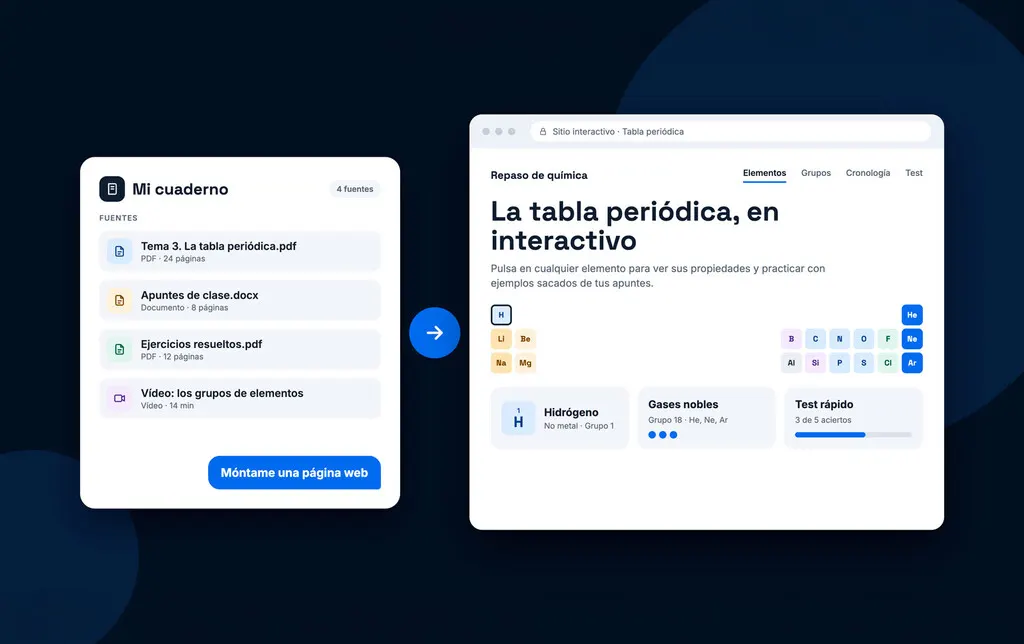
Gemini Notebook can now turn your notebook into a website