Acoustic pipe: Helsinki team moves water and sparks with sound
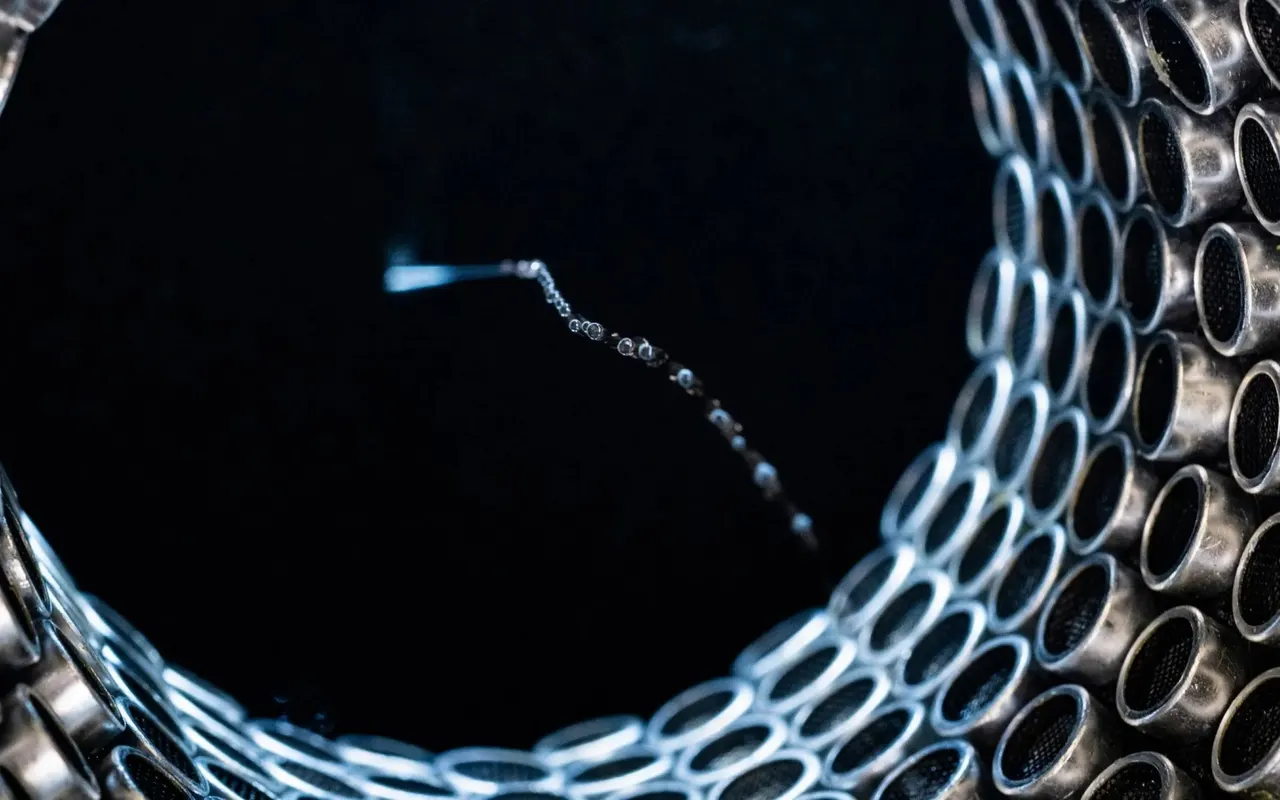
Researchers in Helsinki built a pipe with no walls. A ring of 256 tiny ultrasonic speakers steers water, powder, gas and even electric sparks through open air.
 SUMO· the number puzzle
 Dialo· learn languages by speaking
 ediviewer· read EDI files like documents
 giftdetect· the right gift in minutes
Picture a stream of water running sideways through the air, with no tube around it, and still going exactly where it is told. That is the acoustic pipe built at the University of Helsinki, and it has no walls at all.
The device was developed with scientists from Spain and the United States. It is a ring of 256 ultrasonic speakers, each about the size of a shirt button, placed around the material being moved. They emit waves at roughly 40 kHz, far above what people can hear. Timed together, the waves form a three-dimensional pressure field that acts like the wall of a tube.
How does the acoustic pipe work?
Sound waves can push on objects. Scientists have long used that to levitate small items and droplets. The new part is a stable channel that guides a continuous flow instead of holding one object in place.
The field creates a zone of higher pressure around the material. If a droplet drifts off course, acoustic forces nudge it back to the centre. Change how the speakers are driven and the channel changes shape too. In one demonstration the team shifted a water stream left and right by about 16 millimetres without losing any liquid.
What can it carry?
According to the paper in Proceedings of the National Academy of Sciences, the field can also guide fine silica powder, mist and heavier gases such as carbon dioxide and nitrous oxide. The most striking test involved an electric discharge. Without ultrasound the spark wandered randomly. With the device on, it followed the path set by the sound. The researchers used this to join the edges of two plastic parts without touching them.
They also showed precise dosing of substances. Possible uses include 3D printing, where tiny amounts of material must be delivered accurately, plus chemical and pharmaceutical work and medicine. Corrosive, sticky or easily contaminated substances can be a headache in ordinary pipes. Here the material touches no surface, so residue has nothing to build up on.
There are limits. The prototype is only 8 centimetres long and handles small quantities. Moving air can disturb the field, and each state of matter needs its own wave configuration.
Apps worth a look
SUMO: the number puzzleTap the right tiles, add them up, hit the target. Easy to learn, hard to master. Free, for all ages.
Dialo: learn languages by speakingTalk to an AI conversation partner; every sentence comes back corrected and explained in your language. 9 languages, A1 to C2.
ediviewer: read EDI files like documentsOpen EDIFACT and X12 messages, see every segment explained, convert to JSON/XML, export PDF and Excel. Runs locally, no upload.
giftdetect: the right gift in minutesPick who it is for, the occasion and their personality. The search engine reads product descriptions from local shops and ranks what fits. Free, no sign-up.
More from this day
See all →
Chase outage: Zelle and bank transfers delayed across the US

How to turn a photo into a GIF with ChatGPT Images 2.6

Myofree tablet only works with special glasses to rest your eyes
Google's Ammaar Reshi put Windows 11 on an iPhone Duo to work
More in: Science
See all →
Coriscada wind farm: 4 turbines replace 40 and make 78% more power
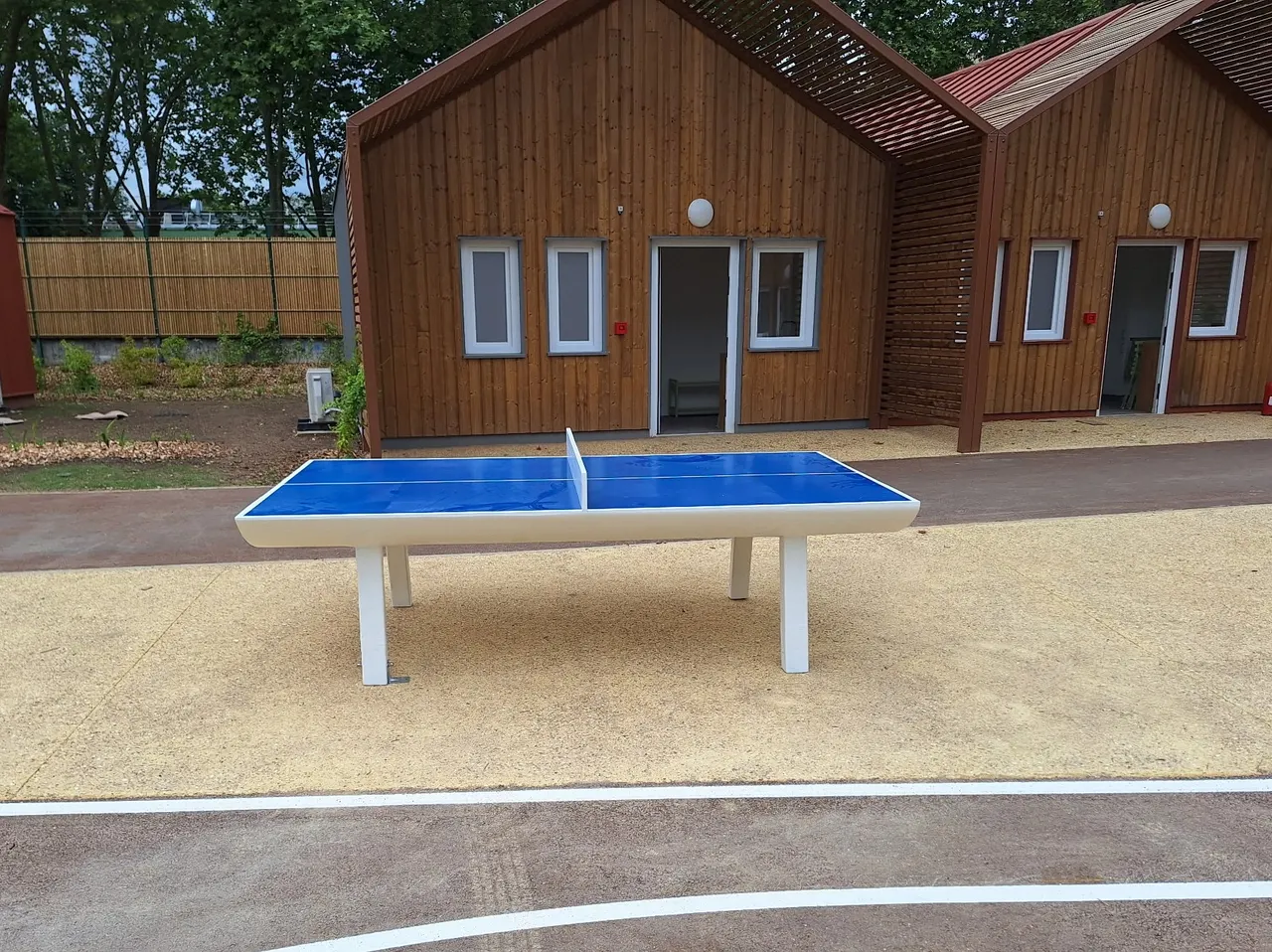
Wind turbine blade recycling: a French startup makes ping-pong tables
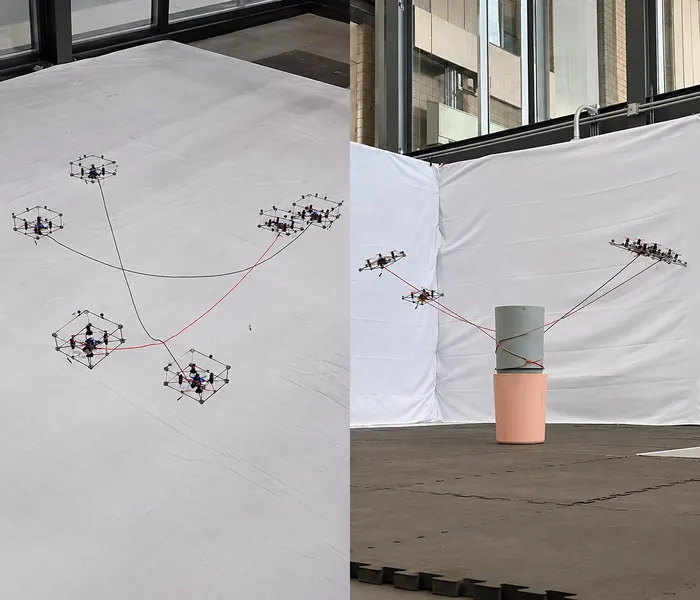
Drones that carry objects by weaving rope around them midair