Yusaku Maezawa may appeal after losing his Meta fake ads case
Yusaku Maezawa sued Meta over scam ads using his face and asked for just 1 yen. A Tokyo court dismissed the claim, and he is now weighing an appeal.
 SUMO· the number puzzle
 Dialo· learn languages by speaking
 ediviewer· read EDI files like documents
 giftdetect· the right gift in minutes
Japanese entrepreneur Yusaku Maezawa sued Meta over fake investment ads that used his name and photo, and he asked for just 1 yen in damages. On November 10 the Tokyo District Court rejected his claim. Hours later he said on X that he is considering an appeal.
"So it's fine to leave it unchecked? Is that really okay?" he wrote, reacting to the ruling that Meta has no duty to find and remove scam ads.
What did the Tokyo court decide?
Maezawa had asked for the ads to be stopped and for 1 yen in compensation. The court accepted that the fake ads infringed his publicity rights, the right to protect the commercial value of a famous person's name and image. But it called Meta "merely a platform operator" that was not directly involved in the posts.
It also declined to order an injunction. According to reports on the ruling, Meta had stopped most of the fake ads within two days at the time. Japanese media describe this as the first court ruling on the rights of a public figure whose identity is used in fake ads.
How the case began
Ads using Maezawa's name and face, urging people to invest, had been appearing on Facebook and Instagram since at least around June 2023. His side asked Meta to remove them in August 2023 and was told the company would work on the problem. The ads kept coming, so he sued in May 2024, citing portrait rights and publicity rights. The 1 yen figure was chosen on purpose, to put the question of platform responsibility front and centre.
Why it matters beyond one man
Social media investment fraud is growing in Japan. The National Police Agency says losses in 2025 were about 128.8 billion yen, up nearly 50 percent from the year before. Ads were the most common way victims were drawn in, with 3,785 cases, and some used celebrities' images or videos without permission.
In August, seven government bodies including the police agency and the Digital Agency asked five big social platforms, Meta and Google among them, to verify advertisers' identities more strictly. Fraud victims have also sued Meta's Japanese and US entities in six district courts. The Yokohama District Court rejected one such claim in October.
Apps worth a look
SUMO: the number puzzleTap the right tiles, add them up, hit the target. Easy to learn, hard to master. Free, for all ages.
Dialo: learn languages by speakingTalk to an AI conversation partner; every sentence comes back corrected and explained in your language. 9 languages, A1 to C2.
ediviewer: read EDI files like documentsOpen EDIFACT and X12 messages, see every segment explained, convert to JSON/XML, export PDF and Excel. Runs locally, no upload.
giftdetect: the right gift in minutesPick who it is for, the occasion and their personality. The search engine reads product descriptions from local shops and ranks what fits. Free, no sign-up.
More from this day
See all →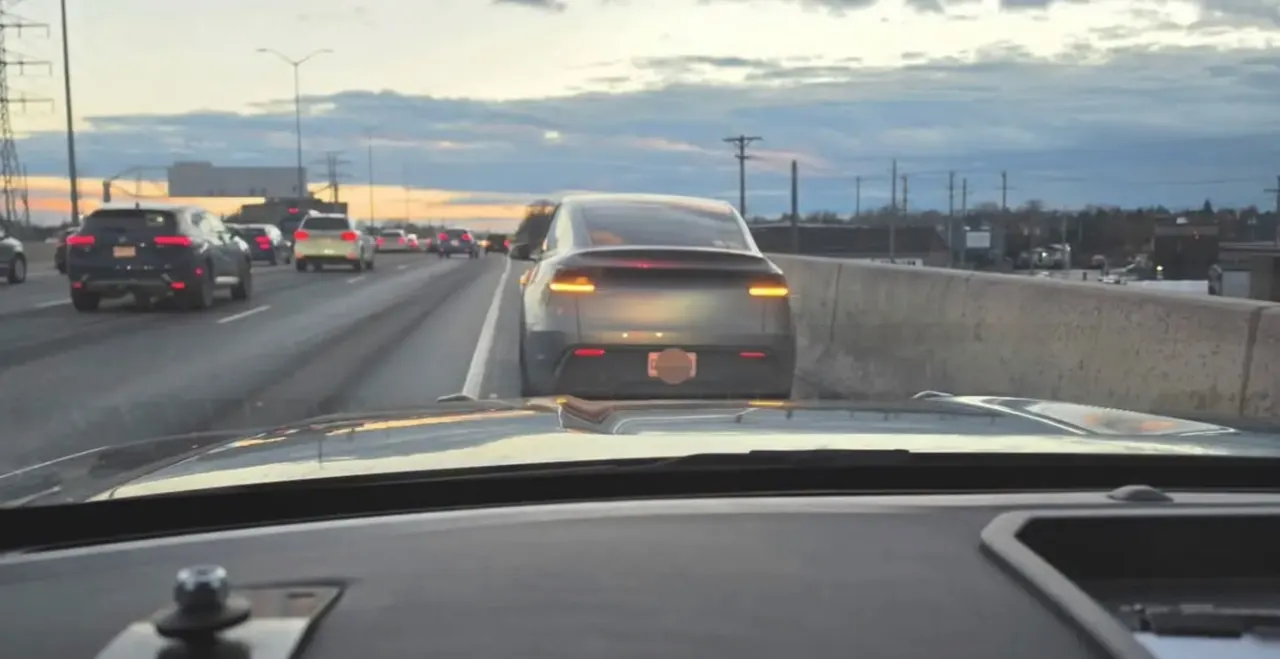
Tesla driver asleep on Ottawa's Highway 417 charged by OPP

Nāpōwawāʻenakaulua: Webb Finds Earliest Quasar Pair Ever

United Airlines AI agent ban: bots can't tick the check-in box
Jensen Huang resigns as Nvidia CEO; Colette Kress steps in as interim
More in: Business
See all →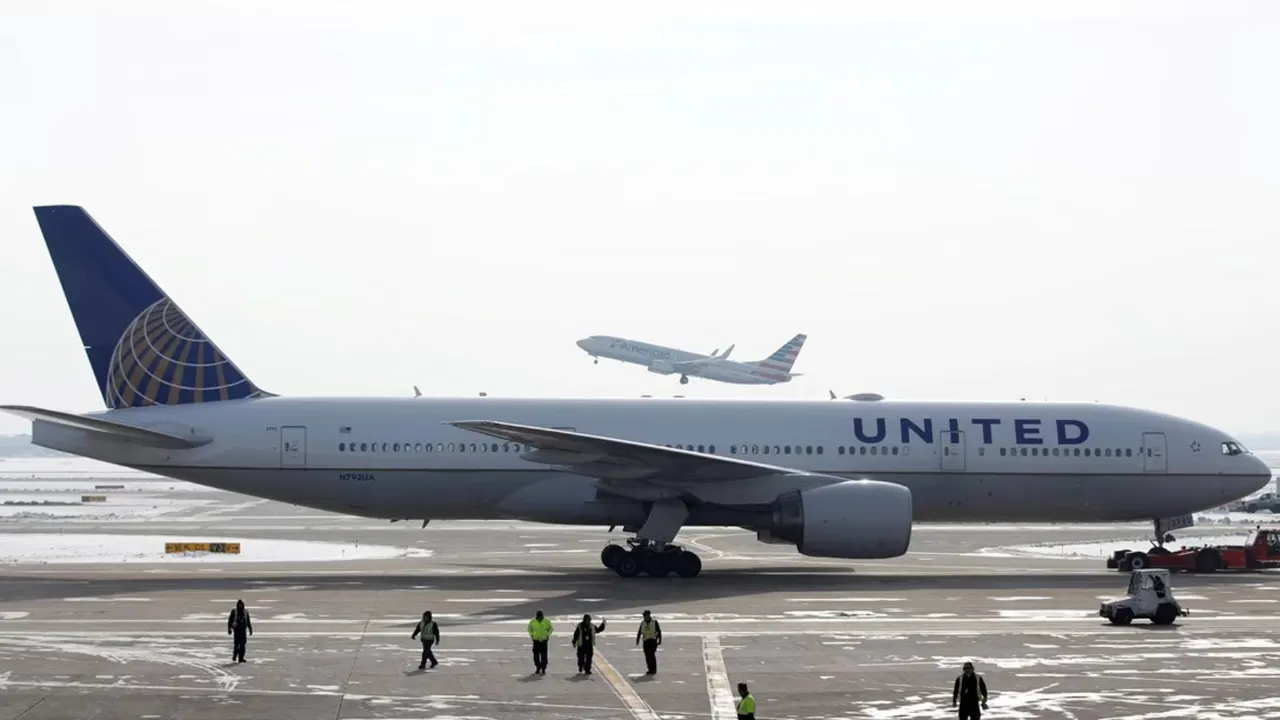
United Airlines moves to block AI agents from booking flights
AI rebounding: 1 in 5 US workers replaced by AI were asked back
Lyft lawsuit: DOJ seeks $53M over riders with disabilities