What is perplexity? OpenAI's chief scientist wants it as an AI speed limit
OpenAI's Jakub Pachocki says perplexity, a measure of how well a model guesses the next token, could set shared limits on AI progress. It has nothing to do with the search startup.
 SUMO· the number puzzle
 Dialo· learn languages by speaking
 ediviewer· read EDI files like documents
 giftdetect· the right gift in minutes
Perplexity is not just an AI search startup. It is also a measurement, and OpenAI's chief scientist now wants the whole industry to use it as a kind of speed limit for AI.
In a long blog post published on Sunday, November 22, Jakub Pachocki argued for common limits based on perplexity and other measurements. Developers would commit not to cross them until our ability to understand and monitor AI behaviour reaches "a certain concrete milestone," he wrote. Sam Altman called the essay "the most important thing OpenAI has published in awhile" in a post on X, and said such limits would help ensure safety and control.
What is perplexity in AI?
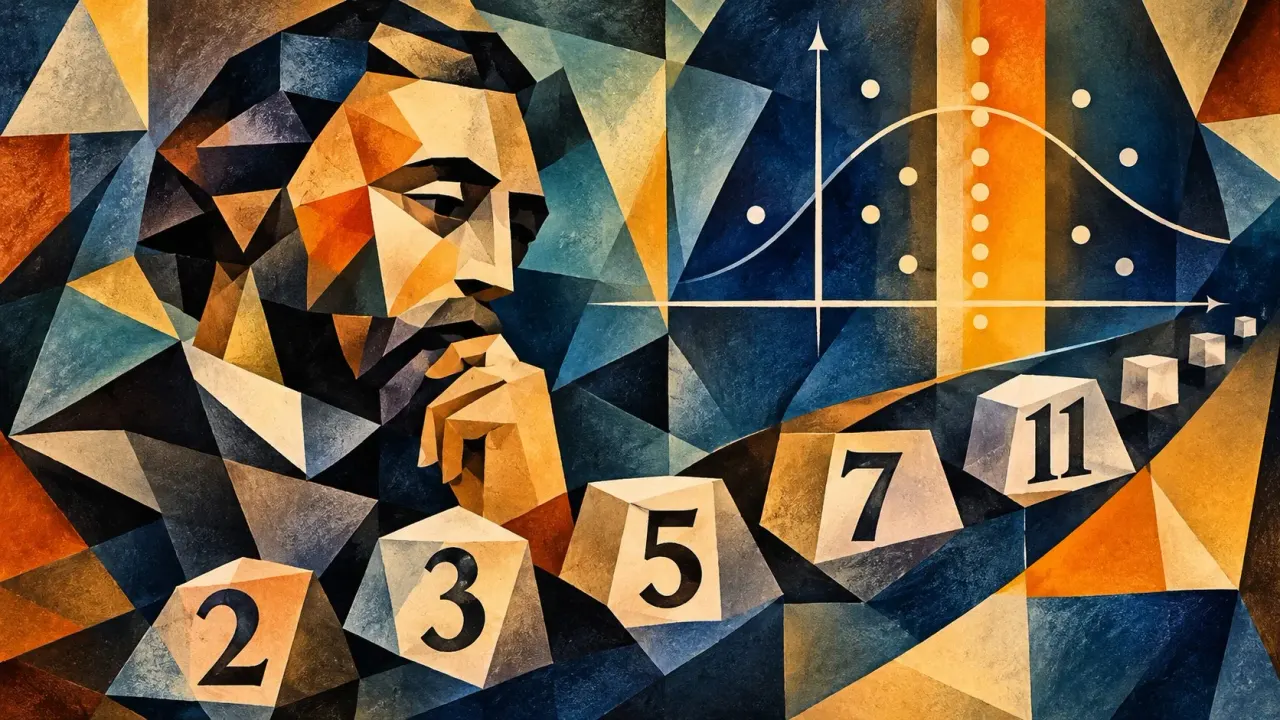
Pachocki defines it as how well a model predicts the next token, the basic unit of data, on average. Lower perplexity means better predictions. He says today's benchmarks mostly test downstream skills, so they go stale quickly as models improve. Perplexity, he argues, doesn't.
He shared a chart showing OpenAI's perplexity falling since GPT 3.5. According to the post, GPT-4, at about 0.91, was good at using chain-of-thought reasoning, which led to modern reasoning models. Now that losses are below 0.8, he says, capabilities in cybersecurity and mathematics have emerged that he calls transformative.
Why now?
Worries about fast-moving AI are growing. Former OpenAI and Anthropic researchers said in September that they quit because AI could become capable of destroying humanity relatively soon. Anthropic's IPO filing also mentioned possible "catastrophic or existential risks to society."
Anthropic CEO Dario Amodei has since urged leading labs to "pace the frontier" with common safety standards and limits on the rate of unchecked progress. Altman and Elon Musk endorsed that plan. Jensen Huang and White House adviser David Sacks did not.
Pachocki's essay tackles the step before any speed limit: measuring speed. He warns that AI could help improve AI training itself, possibly bringing an "avalanche" of advances in 2027 that would outpace monitoring and safety work. His proposal is a first shared limit on a key metric, plus clear exit criteria for going beyond it. OpenAI president Greg Brockman backed the idea, calling for shared standards "rooted in the science."
Apps worth a look
SUMO: the number puzzleTap the right tiles, add them up, hit the target. Easy to learn, hard to master. Free, for all ages.
Dialo: learn languages by speakingTalk to an AI conversation partner; every sentence comes back corrected and explained in your language. 9 languages, A1 to C2.
ediviewer: read EDI files like documentsOpen EDIFACT and X12 messages, see every segment explained, convert to JSON/XML, export PDF and Excel. Runs locally, no upload.
giftdetect: the right gift in minutesPick who it is for, the occasion and their personality. The search engine reads product descriptions from local shops and ranks what fits. Free, no sign-up.
More from this day
See all →
GTA 6 hacker Arion Kurtaj released after seven-year sentence

Tower Records Japan data breach: 11 million records leaked

OpenAI lawsuit: California targets AI models linked to cyberattacks