Weak 4G indoors: Ookla finds Naples has the worst signal
Ookla measured 4G inside buildings in over 100 cities. In Naples about half of them get a weak signal, while in Seoul it is just 2%.
 SUMO· the number puzzle
 Dialo· learn languages by speaking
 ediviewer· read EDI files like documents
 giftdetect· the right gift in minutes
If your phone gives up the moment you walk through the front door, you may live in Naples. Ookla, the company behind the Speedtest app, measured indoor 4G reception for a year and found Naples has the weakest signal of all the cities it studied in Europe.
The study covered more than 100 cities in over 60 countries. Roughly 50% of the buildings measured in Naples showed a signal below -105 dBm. That unit measures signal strength, and the closer to zero, the better. The median indoor signal in Naples was -105 dBm, against about -88 dBm in Seoul, Bangkok and Dubai. In Seoul only 2% of buildings had a weak 4G signal.
Which cities have the worst indoor 4G reception?
Europe does not look good. After Naples come Geneva (47% of buildings with weak signal), Birmingham (45%), Zurich (45%), Rome (39%) and Lyon (32%). The big capitals are not much better: London 34%, Madrid 33%, Paris 31%. Helsinki (12%), Oslo (11%) and Budapest (10%) do best.
North America has its own problem spots: Miami (40%), Vancouver (39%) and Seattle (39%). New York does comparatively well at 25%.
Why is 4G worse inside buildings?
Part of it is the walls. Concrete, stone, metal and energy-saving glazing all weaken the signal. According to International Telecommunication Union models cited by Ookla, crossing the outer walls of a heavily insulated building can cost up to 31 dB, compared with 14 to 16 dB for a traditional one.
Frequency matters too. Low frequencies pass through walls more easily, while high ones are blocked more but carry data faster. The biggest factor, though, is the outdoor network. Ookla says it explains 85% of the differences in indoor reception between the cities studied.
So a well-insulated building in an area with poor coverage is the worst case. Ookla points to small cells (compact local antennas) and distributed antenna systems (DAS) as ways to improve indoor reception.
Apps worth a look
SUMO: the number puzzleTap the right tiles, add them up, hit the target. Easy to learn, hard to master. Free, for all ages.
Dialo: learn languages by speakingTalk to an AI conversation partner; every sentence comes back corrected and explained in your language. 9 languages, A1 to C2.
ediviewer: read EDI files like documentsOpen EDIFACT and X12 messages, see every segment explained, convert to JSON/XML, export PDF and Excel. Runs locally, no upload.
giftdetect: the right gift in minutesPick who it is for, the occasion and their personality. The search engine reads product descriptions from local shops and ranks what fits. Free, no sign-up.
More from this day
See all →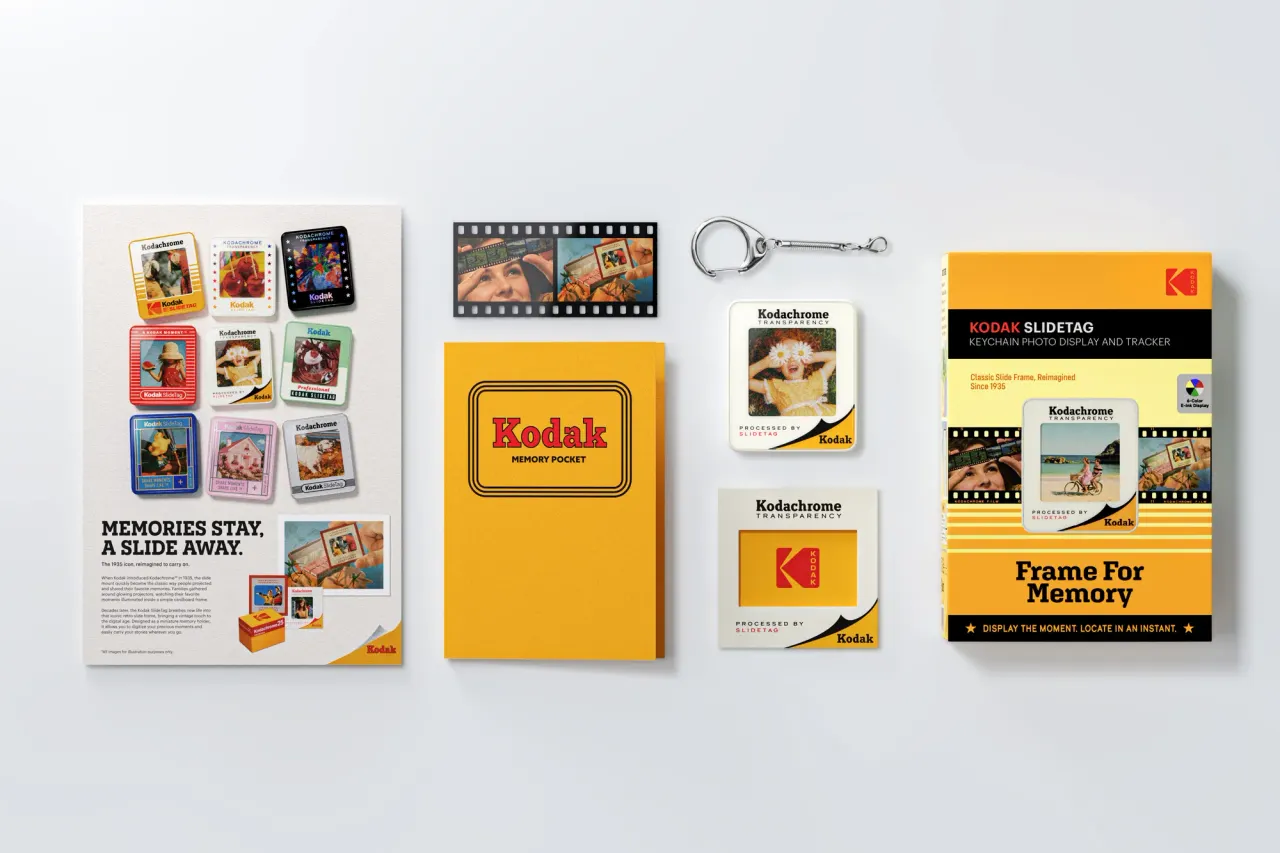
Kodak Slide Tag: a tiny e-ink photo frame that also tracks your keys

LHCb zeptoverse: first sign of a decay that happens once in 10 billion

Work laptop for personal use: your employer may see more