US Military Freezers Hacked to Heat Up, Ruining Commissary Food
Freezers at US military grocery stores began heating instead of cooling, and the Pentagon suspects a cyberattack. US Cyber Command and Army investigators are now involved.
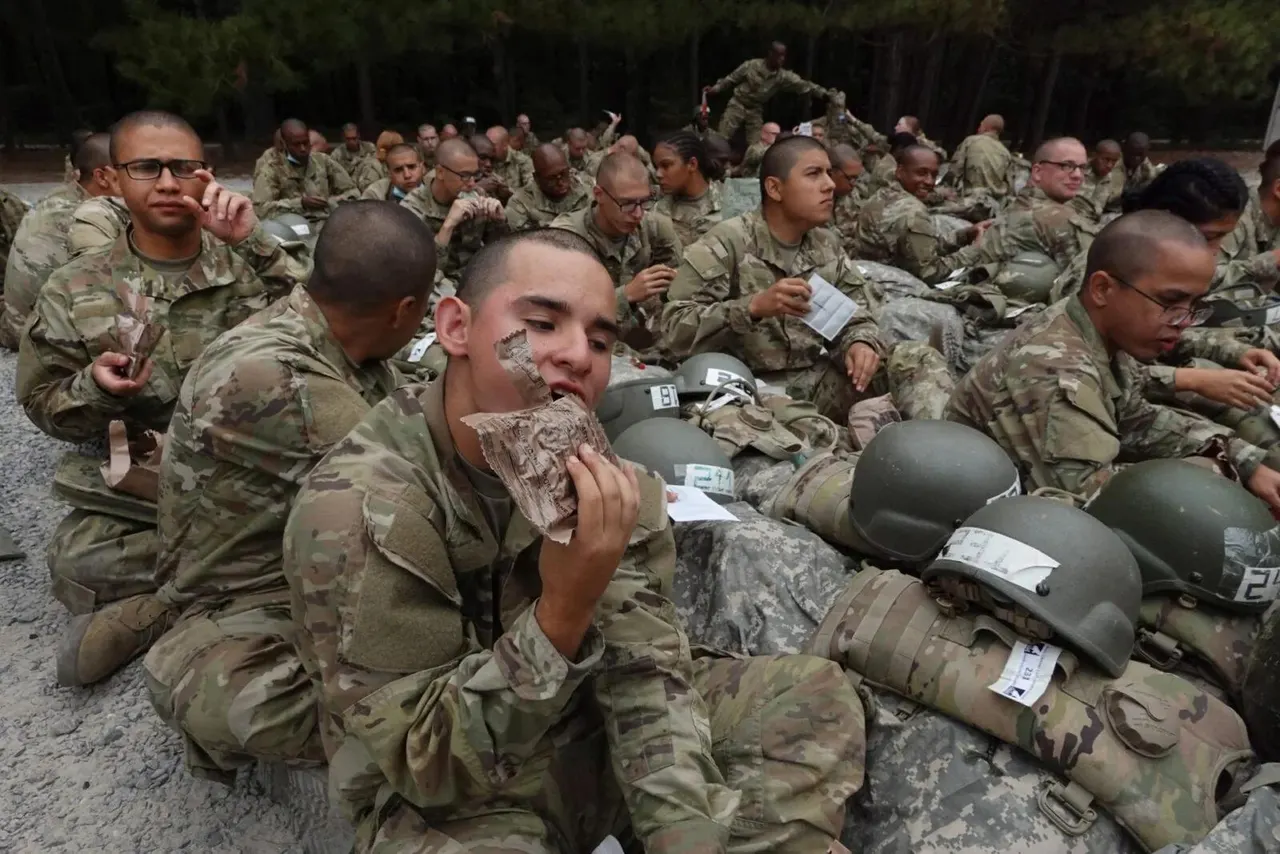
Freezers at grocery stores on US military bases have malfunctioned in a way that destroyed large amounts of food, and the Pentagon suspects a cyberattack. According to Reuters, US Cyber Command and Army criminal investigators have been brought in for a full inquiry.
The incidents began in August 2026, when refrigeration equipment at military commissaries at several bases across the country stopped or behaved abnormally at the same time. The security blog Signal and Silence counted 14 freezer failures at military facilities in 11 states. At first they looked like power cuts or mechanical faults, but base reports revealed something stranger.
Defrost mode that would not stop
The freezers had switched themselves into defrost mode, which melts ice on the cooling coils. Normally the cycle shuts off automatically once the temperature rises a few degrees. In these cases the heating never stopped, and at a base in Wyoming the temperature inside a freezer reportedly climbed to roughly 71 to 82 degrees Celsius.
Similar attacks have reportedly hit more than 350 commercial supermarkets in France, and investigators in several countries are working together to find those responsible.
Old industrial controllers, new exposure
Unlike traditional ransomware, which steals data and demands payment, this attack physically takes over infrastructure to cause direct damage. Spoiling food destroys the value of the goods and can disrupt supply chains.
The weak point appears to be programmable logic controllers (PLCs), the industrial devices that run equipment in factories and commercial buildings. They were designed decades ago to operate in environments isolated from outside networks. As they were later connected to the internet and remote monitoring systems, they were often left with inadequate security.
Bill Moore, CEO of industrial cybersecurity firm Xona Systems, said controllers meant for manual maintenance by workers have become an attractive foothold for attackers entering infrastructure.
The case shows that everyday food distribution and commercial infrastructure are now targets for attacks that cause physical destruction.
Apps worth a look
 SUMO: the number puzzle
Tap the right tiles, add them up, hit the target. Easy to learn, hard to master. Free, for all ages.
 Dialo: learn languages by speaking
Talk to an AI conversation partner; every sentence comes back corrected and explained in your language. 9 languages, A1 to C2.
 ediviewer: read EDI files like documents
Open EDIFACT and X12 messages, see every segment explained, convert to JSON/XML, export PDF and Excel. Runs locally, no upload.
More from this day
See all →
Freenow to disappear in Poland as Lyft takes over the brand

Plus Brings Forward 3G Shutdown in Poland to November 2026

ERMIS-3: Greek Nanosatellite Makes First Laser Link to Earth

Revolut switches to Chinese GLM-5.1 model, cuts AI costs tenfold
More in: Security
See all →
Sam Altman: Patching Every Bug Is No Longer a Workable Plan

Cyberattacks on Refrigerators: First German Cases Reported
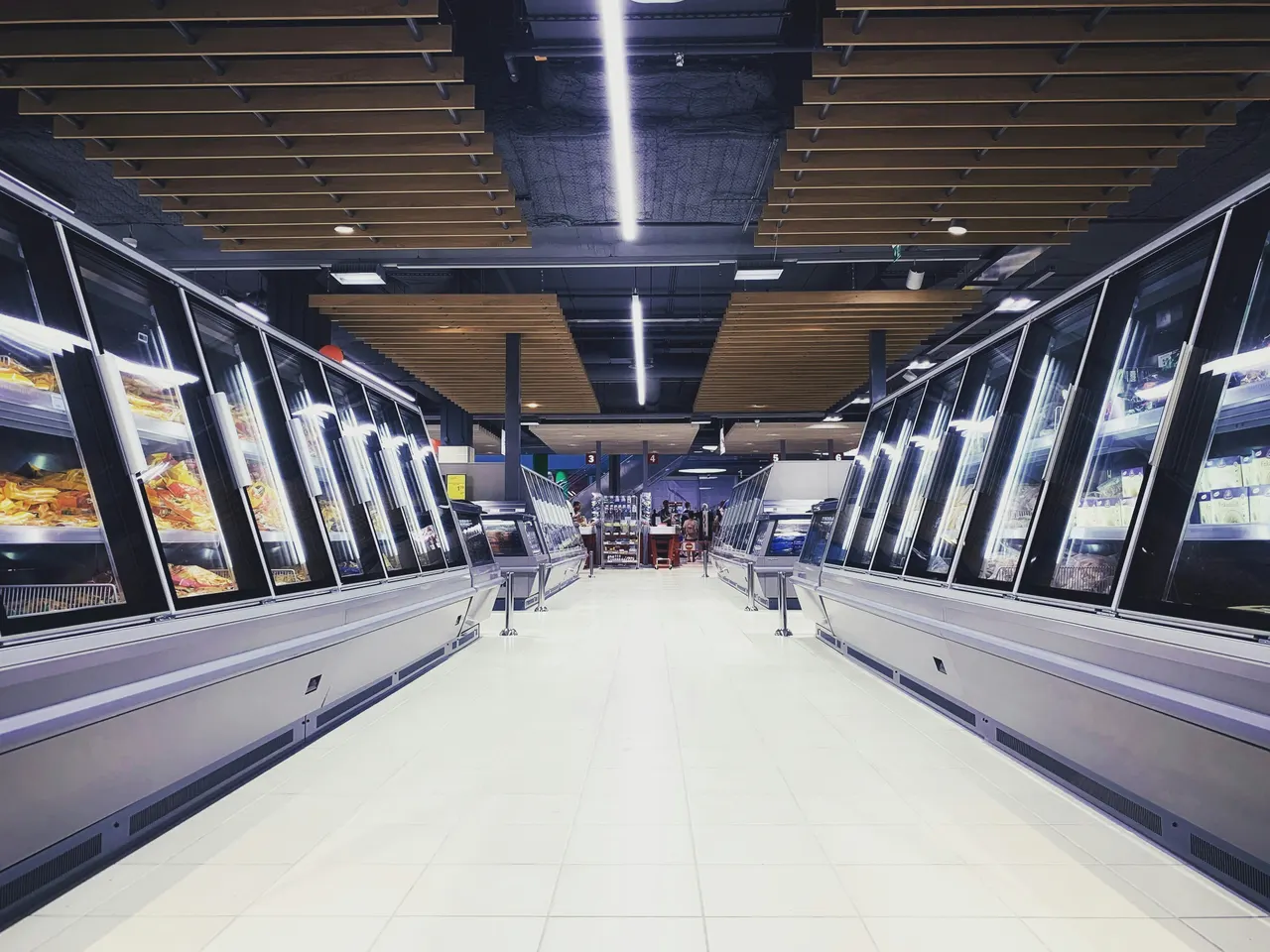
Supermarket fridge cyberattacks spread to nine European countries