Trump's 10% Intel stake: Commerce lawyer said it wasn't a negotiation
A shareholder lawsuit has unsealed notes from an August 2025 call in which a Commerce lawyer told Intel not to treat a 10% stake demand as a negotiation.
 SUMO· the number puzzle
 Dialo· learn languages by speaking
 ediviewer· read EDI files like documents
 giftdetect· the right gift in minutes
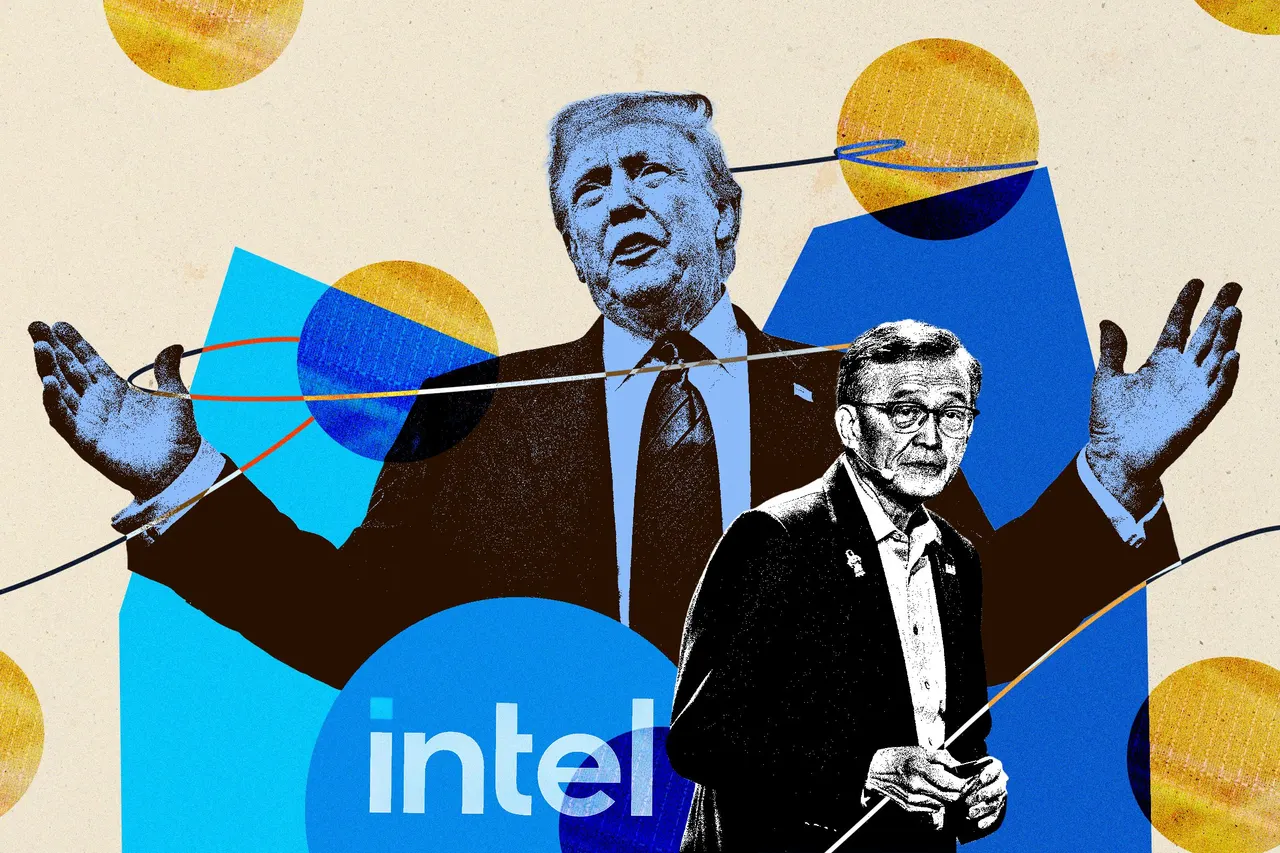
Intel's board was told not to treat the US government's demand for a 10% stake as a negotiation, according to court documents unsealed in a shareholder lawsuit. The message, in effect: hand it over, or face consequences.
In August 2025, Commerce Department lawyer David Shapiro told Intel's chief financial officer not to make the "mistake of thinking that this is a negotiation," per internal notes of the call. "The President is expecting to announce a deal on these terms on Friday." Shapiro conceded the board could refuse, but said rejection would have consequences he could not predict. Days later the board gave in. Donald Trump posted that the US "now fully owns and controls 10% of INTEL", that it paid nothing for the shares, and that they were worth about $11 billion.
How did the US government get 10% of Intel?
Intel had won awards worth up to $11 billion under the Biden administration, much of it through the CHIPS Act, which funds chip plants and research in the US. By March 2025 it had received about $2.2 billion. Trump then called the law "a horrible, horrible thing", and the rest of the money was put on hold.
That same month Lip-Bu Tan became Intel's CEO. Reuters soon reported he had invested in hundreds of Chinese tech firms, some linked to Beijing's military. His former company, Cadence Design Systems, pleaded guilty to selling chip designs to a restricted Chinese military university and agreed to pay more than $140 million. Tan was never personally charged. Trump posted that the Intel chief "must resign, immediately."
Tan went to the Oval Office on August 11 and got 40 minutes with Trump, Commerce Secretary Howard Lutnick and Treasury Secretary Scott Bessent. According to a letter he shared with the board, he promised to give up his China holdings. That letter did not mention a government stake. Trump later told the Wall Street Journal he had simply suggested 10% and Tan said he would consider it.
What the lawsuit claims
Shareholder Richard Paisner alleges the board, "operating under the shadow of the President's threats," caved to extortion. He filed a second case in April seeking internal records from Nvidia. Trump has now said he "convinced" Nvidia's board to rehire CEO Jensen Huang, which is why the Intel story is back in view.
Scott Lincicome of the Cato Institute calls it "straight-up coercion". Intel declined to comment. The White House, Commerce Department and Nvidia did not respond.
Apps worth a look
SUMO: the number puzzleTap the right tiles, add them up, hit the target. Easy to learn, hard to master. Free, for all ages.
Dialo: learn languages by speakingTalk to an AI conversation partner; every sentence comes back corrected and explained in your language. 9 languages, A1 to C2.
ediviewer: read EDI files like documentsOpen EDIFACT and X12 messages, see every segment explained, convert to JSON/XML, export PDF and Excel. Runs locally, no upload.
giftdetect: the right gift in minutesPick who it is for, the occasion and their personality. The search engine reads product descriptions from local shops and ranks what fits. Free, no sign-up.
More from this day
See all →
Zcash Sapling: developers urge users to move $300 million

Perplexity Time Machine lets AI agents search the web as it was

Gemini Live Guided Vision on iPhone: what it does and what's missing