Australia's Digital Duty of Care law lets users sue Big Tech
Australia has passed its Digital Duty of Care law. Users can now sue platforms directly, and fines can reach 5% of a company's global revenue.
 SUMO· the number puzzle
 Dialo· learn languages by speaking
 ediviewer· read EDI files like documents
 giftdetect· the right gift in minutes
Australians will soon be able to take a social media company to court themselves. The Digital Duty of Care law, just passed in Australia, gives individuals a private right of action against platforms that breach their duty to keep users safe.
The fines are big too. Penalties can reach 5% of a platform's global revenue, far above the originally proposed cap of A$109.2 million (roughly $72 million). The law covers more than social media: search engines, app stores, hosting tools and AI services that generate content are all included. Platforms must also act on content removal notices within 24 hours, down from 48.
Social media companies are not happy. They have said the private right to sue is complex and could prove counter-productive. Communications Minister Anika Wells said Big Tech "can no longer be under any illusions" about its responsibility for keeping Australians safe.
What does the Digital Duty of Care law require?
Every covered platform must run an annual risk assessment and tell regulators before making notable changes that could add new risks. That includes algorithmic recommendations, AI-generated text and images, and even the ability to livestream incognito from smart glasses, a risk Wells called out when she introduced the bill.
There is also a "My Feed, My Way" provision, which lets users choose what their feed looks like instead of accepting an algorithmic one. App stores and search engines must remove routes to nudification tools, including apps, links, websites and ads.
Users under 18 get stricter protection from pornography and material promoting disordered eating, dangerous stunts or hostile attitudes toward women. For under-16s, platforms must limit features with "negative behavioural impacts", such as endless feeds, likes and time-limited features that create fear of missing out. Where children might reach porn, services must offer at least two age assurance options.
What is not covered, and when does it start?
Lawful private conversations between consenting adults are left alone, so encrypted messaging is largely untouched. Large group chats with hundreds or thousands of members don't count as private.
The duty starts after a 12-month transition period, during which existing industry codes stay in force. After that, the eSafety Commissioner can give approved university researchers access to platform data, including the algorithms that decide what users see.
Apps worth a look
SUMO: the number puzzleTap the right tiles, add them up, hit the target. Easy to learn, hard to master. Free, for all ages.
Dialo: learn languages by speakingTalk to an AI conversation partner; every sentence comes back corrected and explained in your language. 9 languages, A1 to C2.
ediviewer: read EDI files like documentsOpen EDIFACT and X12 messages, see every segment explained, convert to JSON/XML, export PDF and Excel. Runs locally, no upload.
giftdetect: the right gift in minutesPick who it is for, the occasion and their personality. The search engine reads product descriptions from local shops and ranks what fits. Free, no sign-up.
More from this day
See all →
Gemini Live Guided Vision on iPhone: what it does and what's missing

Trump's 10% Intel stake: Commerce lawyer said it wasn't a negotiation
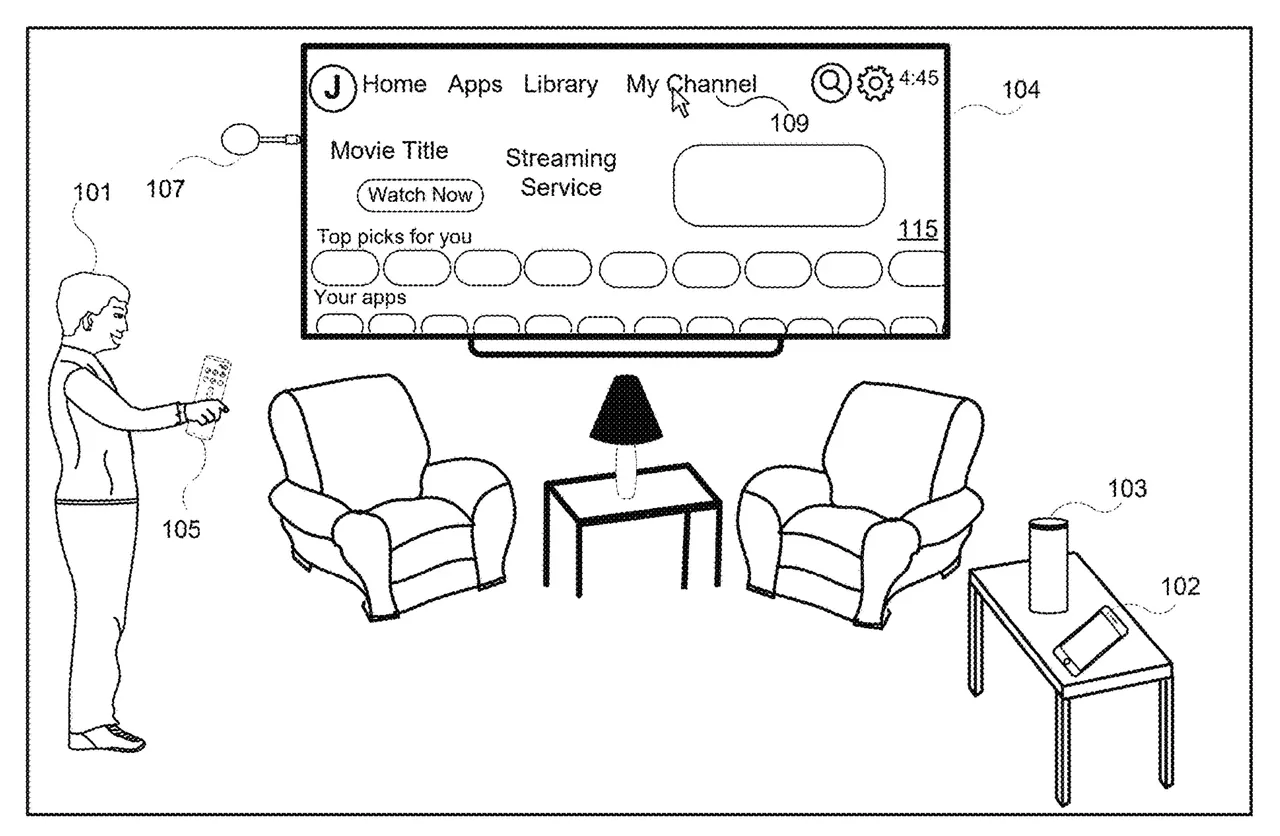
Google My Channel patent: AI videos starring you as the lead