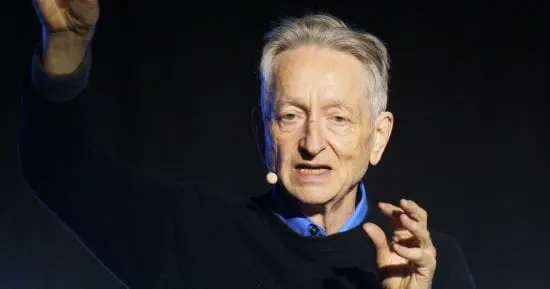
Therapists and AI chatbots: why some psychologists see fewer patients
Some Spanish psychologists say patients no longer find them through blogs because chatbots answer first. Others see clients arriving with a diagnosis from ChatGPT.

 SUMO· the number puzzle
 Dialo· learn languages by speaking
 ediviewer· read EDI files like documents
 giftdetect· the right gift in minutes
Search used to send people to a therapist's blog. Now a chatbot answers instead, and some psychologists say their waiting rooms are feeling it. "We notice a drop in patients because they no longer visit our blogs," says Aurora Gómez Delgado, a therapist at Corio Psicología. She also points to a loneliness epidemic: some people never reach therapy because they talk to chatbots rather than to people.
Not everyone sees the same thing. Andrea Enseñat Buades has not noticed fewer patients. She has noticed people whose problems get worse after chatbot use, arriving with lines like "ChatGPT said I have anxious attachment" or "that I'm right and you're not." Another new problem is loss of identity: when a machine does your job faster, the identity tied to that job can fade.
Why do chatbots fall short as therapists?
Psychologist Lola de Müller says a chatbot cannot assess anyone. A proper therapy starts with a full evaluation: standardised psychometric tests, reading body language and clinical intuition. Chatbots, she adds, are tuned to please users and agree with them. That is a particular problem when a symptom feels like part of someone's identity, because the patient never mentions it and the AI works on a one-sided story. She calls this "algorithmic complacency" and sees it as risky in delusional thinking, paranoia and OCD.
Enseñat puts it bluntly: "Success for AI is that you use it more. For psychologists, it is that you stop coming." Gómez also sees patients in conflict with relatives or flatmates who treat the chatbot's answer as gospel.
What about suicide risk?
Enseñat says the chat does not close when someone mentions suicide, and it does not call emergency services. It can only alert emergency contacts if the user set that up beforehand. According to OpenAI, ChatGPT gives 65% fewer inappropriate answers on suicide since its October 2025 update. Since May 2026 it offers a "trusted contact", who is notified, without seeing the conversation, if a human team confirms serious risk. It must be activated in advance, and NPR found it hard to locate. Claude shows crisis lines from more than 170 countries, and Anthropic works with the International Association for Suicide Prevention.
Still, de Müller says only a professional can judge the risk and refer someone to emergency services.
The therapists are not against AI altogether. Enseñat is part of Luara, a platform that uses AI for automatic notes, patient records and between-session follow-up. De Müller uses a tool as a "clinical copilot" that does not diagnose or give therapeutic advice, and she reviews it constantly.
Apps worth a look
SUMO: the number puzzleTap the right tiles, add them up, hit the target. Easy to learn, hard to master. Free, for all ages.
Dialo: learn languages by speakingTalk to an AI conversation partner; every sentence comes back corrected and explained in your language. 9 languages, A1 to C2.
ediviewer: read EDI files like documentsOpen EDIFACT and X12 messages, see every segment explained, convert to JSON/XML, export PDF and Excel. Runs locally, no upload.
giftdetect: the right gift in minutesPick who it is for, the occasion and their personality. The search engine reads product descriptions from local shops and ranks what fits. Free, no sign-up.
More from this day
See all →
MoldyRoost ad campaign can hack iPhones with one tap, Confiant says
VMware vCenter bug CVE-2026-123890 was exploited in September

South Korea's Suneung exam alert caught 49 students with phones

Kh-101 missiles found at three crash sites in Poland, prosecutors say
More in: AI
See all →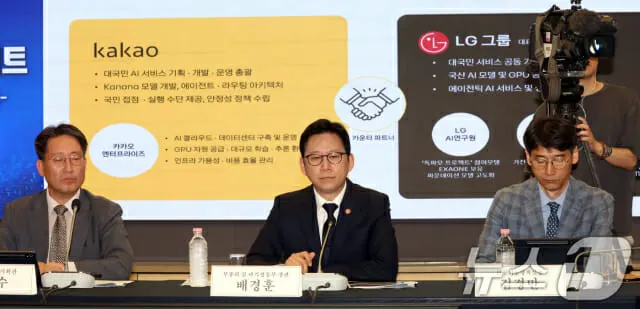
Kakao's Modu-ui AI may be called TalkTalk, trademark filings hint

ROVEN: the AI app that lets you practise saying no to friends
Idea Lens AI detector checks if the idea came from ChatGPT