Tesla FSD in the EU: vote slips to 15 December at the earliest
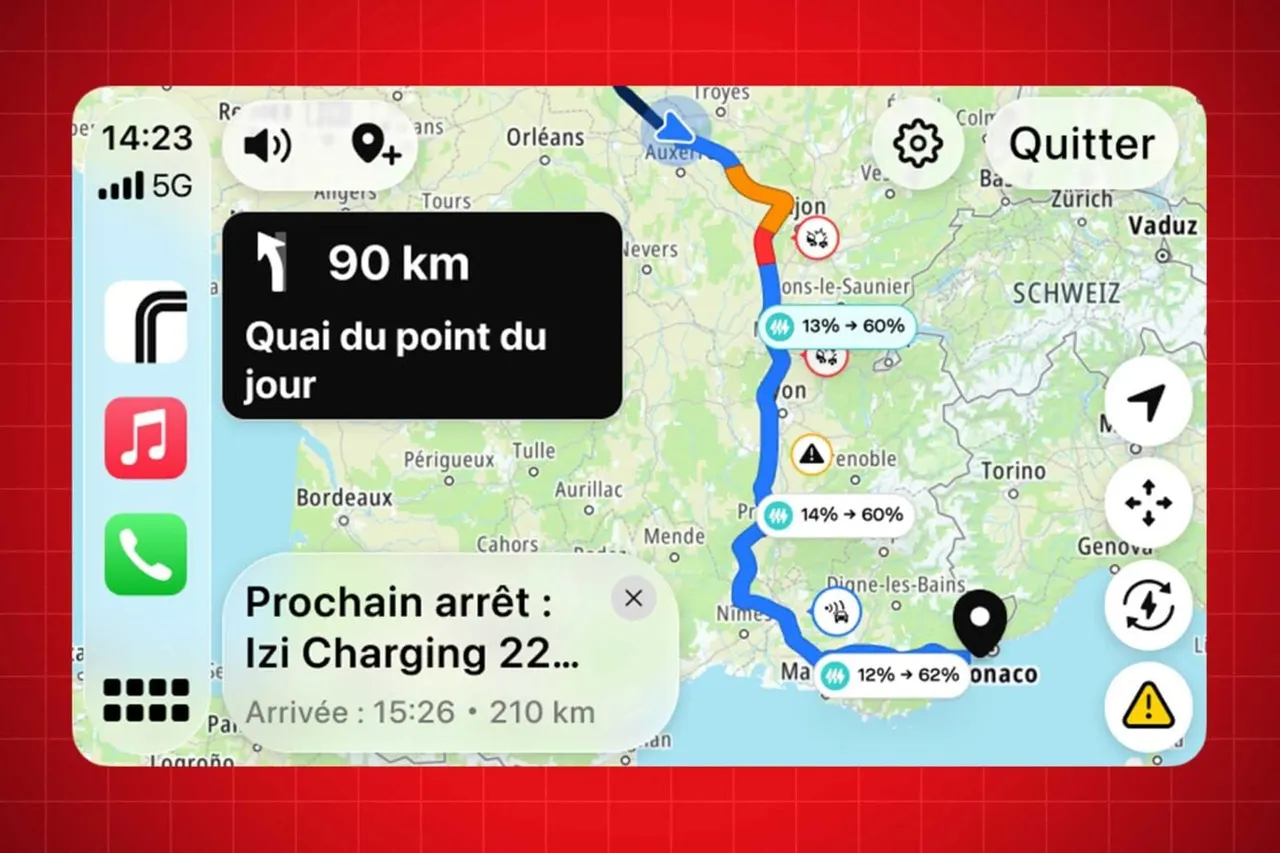
Tesla's driver-assist system FSD, now called TAD in Europe, already runs in 12 EU countries. The EU-wide vote has slipped to 15 December, and it may not happen then either.
 SUMO· the number puzzle
 Dialo· learn languages by speaking
 ediviewer· read EDI files like documents
 giftdetect· the right gift in minutes
Tesla owners in Germany were hoping for an early Christmas present: EU-wide approval of Tesla Assisted Driving (TAD), the system formerly sold as Full Self-Driving (FSD). The decision has just been pushed back. It will not come on 1 December as planned, but on 15 December at the earliest.
The EU's Technical Committee on Motor Vehicles (TCMV) moved its meeting, and the European Commission confirmed the new date to Reuters. No reason was given. There was brief confusion when Flanders' transport ministry named 7 December. The committee has already discussed the Dutch application to extend approval across the EU twice, in June and October, without a vote. Even on 15 December, a vote is not guaranteed.
How many EU countries already allow Tesla FSD?
Twelve of 27. The Netherlands went first in April 2026. Belgium, Croatia, Czechia, Denmark, Estonia, Finland, Latvia, Lithuania, Slovakia, Slovenia and, most recently, Italy have recognised the Dutch approval. Tesla has started the rollout in Italy.
That does not predict the EU vote, though, because mostly smaller countries have said yes. EU-wide approval needs at least 15 member states representing at least 65 percent of the EU population.
What Germany, France and Sweden could decide
All eyes are on Germany and France. Germany has sent positive signals, and Transport Minister Steffen Bilger (CDU) even floated a national approval in October, though his ministry prefers an EU-wide route. According to Electrek, Tesla offered to rename FSD to TAD and to cap the speed margin at 10 percent over the limit instead of the current 50 percent. Some Tesla drivers worry that wrong speed data in the navigation could turn their cars into rolling obstacles.
With Germany, the yes camp would reach about 47 percent of the EU population. Adding France gets to 14 states and roughly 62 percent, still short. Spain and Poland on top would clear both hurdles. Sweden wants any driving above the speed limit banned, but could be outvoted.
A rejection would hurt existing users too. According to Reuters, national approvals would lapse, though under EU rules only six months after a rejection.
Elon Musk said in October he would be surprised if EU approval took beyond the first quarter of 2027. Tesla has been bolder before: it told owners at the end of 2025 that Dutch approval would come in February 2026, which the RDW publicly contradicted. Approval came in April.
Apps worth a look
SUMO: the number puzzleTap the right tiles, add them up, hit the target. Easy to learn, hard to master. Free, for all ages.
Dialo: learn languages by speakingTalk to an AI conversation partner; every sentence comes back corrected and explained in your language. 9 languages, A1 to C2.
ediviewer: read EDI files like documentsOpen EDIFACT and X12 messages, see every segment explained, convert to JSON/XML, export PDF and Excel. Runs locally, no upload.
giftdetect: the right gift in minutesPick who it is for, the occasion and their personality. The search engine reads product descriptions from local shops and ranks what fits. Free, no sign-up.
More from this day
See all →
Illegal IPTV: Europol follows crypto trail, 57 piracy services hit

i-Kfz app: digital driver's licence arrives later than planned

Singapore robots: a district where AI sends cleaners to spills

SpaceX Starmind: FCC Approves 1 Million Data Center Satellites
More in: Automotive
See all →
Waymo robotaxis got stuck in San Francisco floods, 90 cm deep
Used Tesla Cybertruck sells faster than any other pickup
Uber robotaxi tests with no driver on Bay Area roads