T-Mobile low-income home internet capped at 50GB, NY says
New York says T-Mobile's low-income home internet plan dropped to 600Kbps after 50GB, a limit the state says a typical customer could hit in about four days.

 SUMO· the number puzzle
 Dialo· learn languages by speaking
 ediviewer· read EDI files like documents
 giftdetect· the right gift in minutes
T-Mobile's cheap home internet plan for low-income New Yorkers came with a catch: after 50GB in a month, speeds fell from 25Mbps to 600Kbps. New York officials say that broke state law, and T-Mobile has agreed to scrap the limit.
Governor Kathy Hochul and Attorney General Letitia James announced the settlement on Monday. The state says its investigation found T-Mobile violated the New York Affordable Broadband Act. The case covers T-Mobile's fixed wireless home internet, not its mobile plans. T-Mobile did not admit to any violation.
What does the New York Affordable Broadband Act require?
Providers with at least 20,000 customers must offer income-eligible households broadband for $15 a month at 25Mbps or more, or $20 a month at 200Mbps or more. The law doesn't mention data caps, but the state argues that throttling speeds after a cap breaks the speed requirement. By the state's estimate, a typical customer could hit 50GB after about four days of use.
What else was wrong with T-Mobile's plan?
T-Mobile only offered the plans at homes eligible for 5G home internet, which shut out 4G-only areas, even though it sold full-price plans there that could reach 25Mbps. The settlement says the company also hid the plan's information page from search engines, which made it hard for people to find. According to the settlement, T-Mobile offers 5G home internet to roughly 40 percent of homes in rural upstate New York and 4G to the rest.
Within 120 days, T-Mobile has to drop the speed limits and offer the plans at every address where it sells residential fixed wireless service. It must also remove the search-blocking tag and link to the page prominently from its standard home internet deals. Slowdowns caused purely by network congestion are not violations.
The process was slow. New York's Department of Public Service raised concerns in June 2025, and a settlement took almost 18 months. The law only began to be enforced in January 2025, after a nearly four-year court fight with industry groups, including wireless lobby CTIA.
T-Mobile says it is updating the plan to meet state requirements at the same low price. New York can sue if the company breaks the settlement.
Apps worth a look
SUMO: the number puzzleTap the right tiles, add them up, hit the target. Easy to learn, hard to master. Free, for all ages.
Dialo: learn languages by speakingTalk to an AI conversation partner; every sentence comes back corrected and explained in your language. 9 languages, A1 to C2.
ediviewer: read EDI files like documentsOpen EDIFACT and X12 messages, see every segment explained, convert to JSON/XML, export PDF and Excel. Runs locally, no upload.
giftdetect: the right gift in minutesPick who it is for, the occasion and their personality. The search engine reads product descriptions from local shops and ranks what fits. Free, no sign-up.
More from this day
See all →
Tesla driver asleep on Ottawa's Highway 417 charged by OPP

Nāpōwawāʻenakaulua: Webb Finds Earliest Quasar Pair Ever

United Airlines AI agent ban: bots can't tick the check-in box

Jensen Huang resigns as Nvidia CEO; Colette Kress steps in as interim
More in: Business
See all →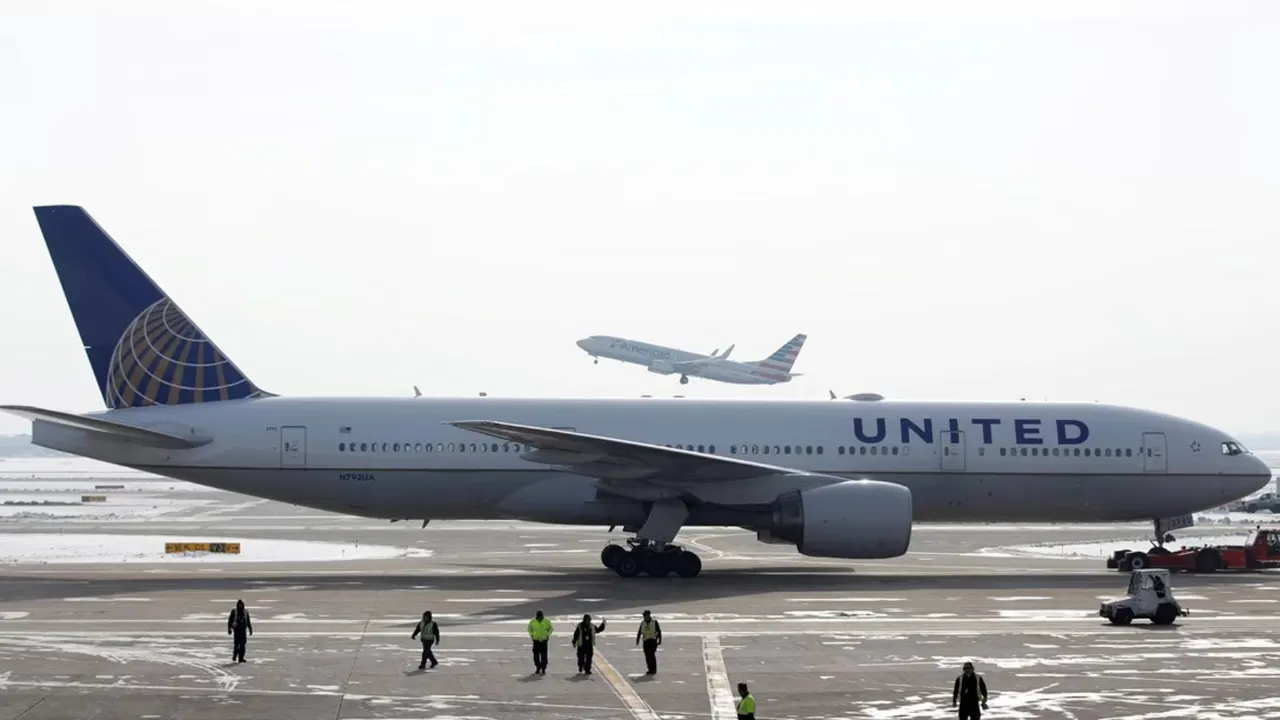
United Airlines moves to block AI agents from booking flights

AI rebounding: 1 in 5 US workers replaced by AI were asked back

Lyft lawsuit: DOJ seeks $53M over riders with disabilities