Stockal Row: Indian Investors Say US Shares Were Sold Without Consent
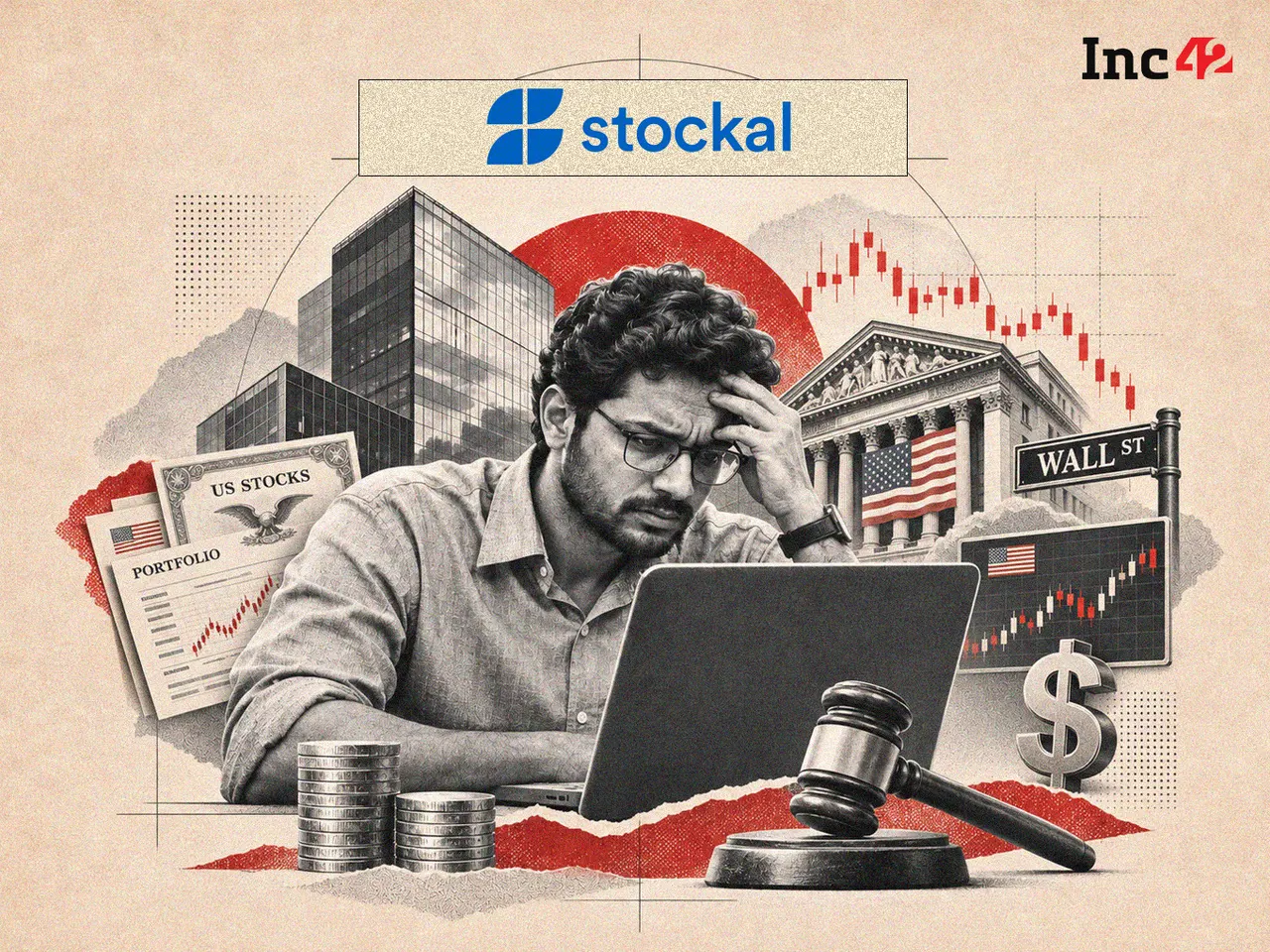
Nearly 30 Indian investors allege their US holdings on Stockal were sold on October 15 and swapped into Zhibao Technology shares. Borderless and DriveWealth dispute responsibility.
 SUMO· the number puzzle
 Dialo· learn languages by speaking
 ediviewer· read EDI files like documents
 giftdetect· the right gift in minutes
Nearly 30 Indian investors allege that their US stock portfolios on the Stockal platform were liquidated without their consent on October 15, with the proceeds used to buy shares of Nasdaq-listed Chinese microcap Zhibao Technology. Investor-reported losses are said to exceed ₹100 crore, although that total has not been verified.
One investor says securities worth $3.1 million, about ₹29 crore, were sold within two minutes, followed by purchases of 30.5 lakh Zhibao shares within 15 minutes. Another reports that holdings worth $335,768 were sold and 3 lakh Zhibao shares bought. Affected portfolios allegedly included Apple, Amazon, Tesla, NVIDIA, Alphabet and AMD. An FIR has reportedly been registered in Bengaluru.
Conflicting accounts
Stockal's parent, Borderless Investing, says brokerage partner DriveWealth alerted it on October 16, India time, to suspicious trading in 13 accounts. Its assessment is that an unauthorised third party accessed 26 accounts using valid login credentials, and that large-cap US equities were sold for thinly traded microcaps in 13 of them. Borderless says it found no evidence of a breach of its platform or systems, and that no funds were withdrawn. It floated social engineering using data exposed in another company's breach several weeks earlier, while stressing that this link is unverified.
DriveWealth reportedly told an investor in an October 30 letter that the access occurred through the Stockal interface and that Stockal bore responsibility for the security lapses. The company told reporters: "The Stockal incident is unrelated to DriveWealth's systems. It occurred on Stockal's app, not our platform."
Why it matters
Zhibao shares closed at $0.42 on October 23, roughly 60% below the average purchase price of about $1.05 cited by investors. Whether or not money left the accounts, investors' core complaint is that their holdings were changed without consent.
Cybersecurity expert Yash Kadakia of Security Brigade said platforms cannot shift blame entirely onto customers when stolen passwords can trigger financial transactions. He argued for two-factor authentication, SIM binding, device and location checks, separate transaction-level authentication and behavioural monitoring.
Borderless says it has hired independent cybersecurity specialists, added authentication and account-protection measures, and is working with DriveWealth and authorities to reconstruct events and seek a fair resolution, without admitting liability. The exact access method is still under investigation.
Apps worth a look
SUMO: the number puzzleTap the right tiles, add them up, hit the target. Easy to learn, hard to master. Free, for all ages.
Dialo: learn languages by speakingTalk to an AI conversation partner; every sentence comes back corrected and explained in your language. 9 languages, A1 to C2.
ediviewer: read EDI files like documentsOpen EDIFACT and X12 messages, see every segment explained, convert to JSON/XML, export PDF and Excel. Runs locally, no upload.
giftdetect: the right gift in minutesPick who it is for, the occasion and their personality. The search engine reads product descriptions from local shops and ranks what fits. Free, no sign-up.
More from this day
See all →
Citus Demonstrates GPS-Free Firefighter Tracking, Eyes Military Use

Google Cloud expands CodeMender and AI agent security tools

Operation Ghostbusters: 830,840 Suspected Ghost Students Found