South Korea wants exam papers AI can't solve to stop smart glasses cheating
South Korea's government is trying to build exam papers that AI can't solve, and it plans to add AI-focused proctors to catch smart glasses and tiny cameras.
 SUMO· the number puzzle
 Dialo· learn languages by speaking
 ediviewer· read EDI files like documents
 giftdetect· the right gift in minutes
South Korea is working on exam papers that artificial intelligence cannot solve. The government wants to stop people using AI and smart glasses to cheat on national exams, and it is also going back to look at past tests.
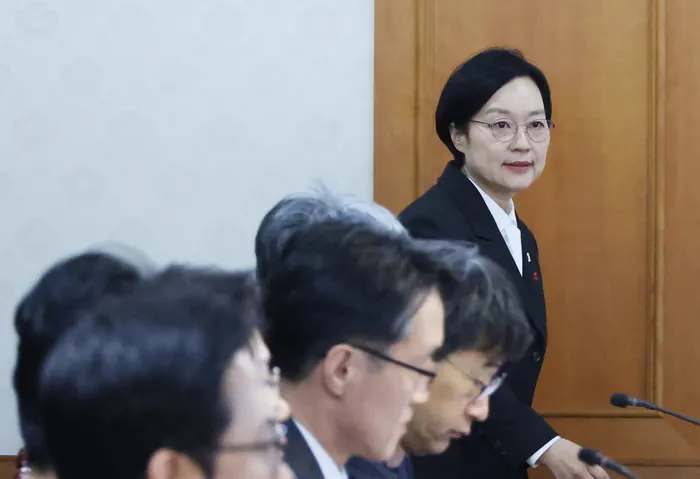
Prime Minister Han Seong-sook chaired a task force meeting on exam fairness at the government complex in Seoul on 24 November. It covered national exams across the board: professional and technical licences, the college entrance exam (known as the Suneung) and hiring tests.
The first step is blocking cheating at the venue itself. Officials will use official, government-run exam sites wherever possible. Rented venues will get radio-wave detectors, security checkpoints and CCTV. The government also plans to improve detection of smart glasses and miniature cameras, and to look at ways of making test papers that AI can't answer. More proctors trained to spot AI-assisted cheating will watch for unusual behaviour. Because of worries about complaints and pay, the government will also look for ways to limit proctors' personal liability.
What happens to past exams?
The government will also investigate earlier tests. Ministries running exams will check issues raised in the press, tip-offs and odd score patterns. If cheating is confirmed, penalties range from stripping qualifications to criminal charges. Officials are considering longer bans on retaking exams, and bans on sitting similar exams after a person is caught on one. A whistleblower centre led by the Anti-Corruption and Civil Rights Commission is planned, along with mandatory publication of scores after exams.
Who is in charge of what?
The Ministry of Employment and Labor will draw up an overall plan covering the whole exam process. The science and ICT ministry will speed up technical countermeasures.
The government is also considering changing how candidates are assessed, so exams still measure real ability as cheating methods evolve. Similar exams may be merged, and unnecessary ones scrapped.
Han called it a "battle between spear and shield" and admitted the government's response had been slow. Exams that reward effort, she said, are a basic principle that holds up trust in society.
Apps worth a look
SUMO: the number puzzleTap the right tiles, add them up, hit the target. Easy to learn, hard to master. Free, for all ages.
Dialo: learn languages by speakingTalk to an AI conversation partner; every sentence comes back corrected and explained in your language. 9 languages, A1 to C2.
ediviewer: read EDI files like documentsOpen EDIFACT and X12 messages, see every segment explained, convert to JSON/XML, export PDF and Excel. Runs locally, no upload.
giftdetect: the right gift in minutesPick who it is for, the occasion and their personality. The search engine reads product descriptions from local shops and ranks what fits. Free, no sign-up.
More from this day
See all →
Alice Huang and Nvidia: Reported Contact With Chinese Intelligence
Nothing Ear (note) revealed as the company's first AI-first gadget
Jetpac Eterna free lifetime eSIM: what you get with 100 MB

Chinese CZ-2C rocket stage to pass over Poland today
More in: AI
See all →
AI-generated music: how Spotify, Apple Music and Deezer spot it

Anthropic's Siren honeypot tests whether AI agents cheat
Instinct app: 23-year-old Noah Shinn's AI assistant is worth $10bn